
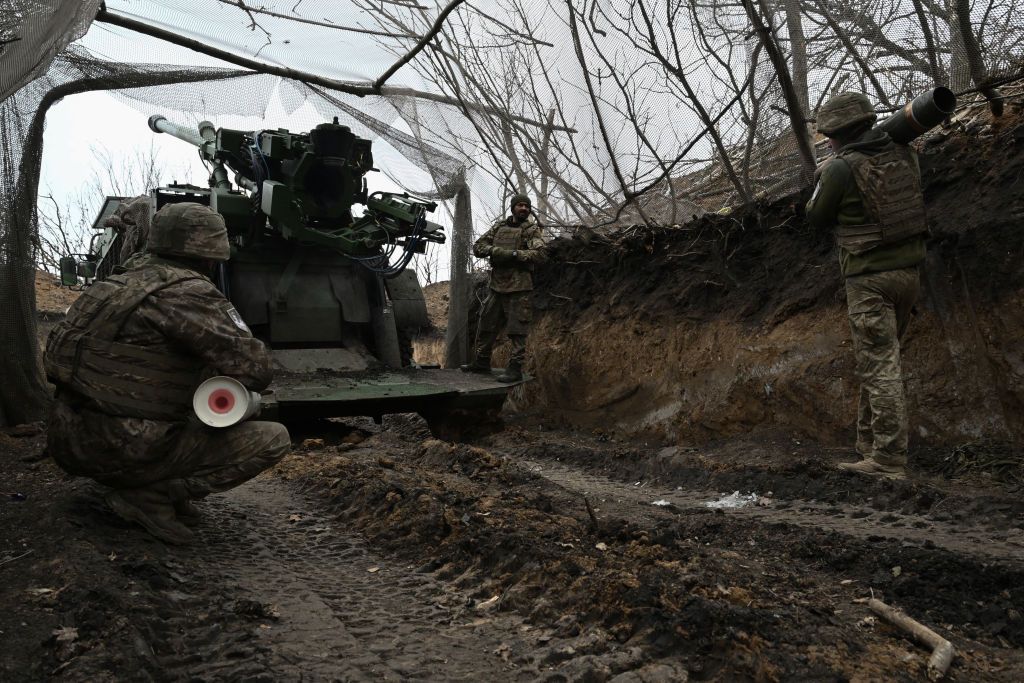
General Staff: Russia has lost 1,279,930 troops in Ukraine since Feb. 24, 2022
#Russia #Ukraine #troop losses #General Staff #military casualties #invasion #war
📌 Key Takeaways
- Russia's total military casualties in Ukraine exceed 1.27 million troops as reported by Ukraine's General Staff.
- The figure covers losses since the full-scale invasion began on February 24, 2022.
- The data reflects ongoing high-intensity combat and significant attrition in the conflict.
- Ukraine's military continues to track and publicize Russian casualty statistics.
🏷️ Themes
War Casualties, Russia-Ukraine Conflict
📚 Related People & Topics

Russia
Country in Eastern Europe and North Asia
Russia, or the Russian Federation, is a country in Eastern Europe and North Asia. It is the largest country in the world, spanning eleven time zones and sharing land borders with fourteen countries. With a population of over 140 million, Russia is the most populous country in Europe and the ninth-mo...

Ukraine
Country in Eastern Europe
# Ukraine **Ukraine** is a country located in Eastern Europe. It is the second-largest country in Europe by area, after Russia. Known for its extensive fertile plains, the nation serves as a critical global exporter of grain and is considered a middle power in international affairs. ## Geography a...

Staff (military)
Management personnel of a military unit
A military staff or general staff (also referred to as army staff, navy staff, or air staff within the individual services) is a group of officers, enlisted, and civilian staff who serve the commander of a division or other large military unit in their command and control role through planning, anal...
Entity Intersection Graph
Connections for Russia:
Mentioned Entities
Deep Analysis
Why It Matters
This staggering casualty figure represents one of the largest military losses in modern European history, directly impacting Russian military capabilities and demographic stability. The numbers affect Ukrainian defense planning, Western military aid decisions, and potential future negotiations between the conflicting parties. For Russia, these losses create significant social and economic pressures that could influence domestic political stability and long-term military recruitment.
Context & Background
- The Russia-Ukraine war began with Russia's full-scale invasion on February 24, 2022, following eight years of conflict in eastern Ukraine since 2014.
- Previous independent estimates from Western intelligence agencies and research groups have placed Russian casualties between 300,000-500,000, making Ukraine's claimed figures substantially higher.
- Casualty reporting has been contentious throughout the conflict, with both sides using these statistics for informational warfare and morale purposes.
- The Soviet-Afghan War (1979-1989) resulted in approximately 15,000 Soviet deaths, providing historical context for understanding the scale of current losses.
- Ukraine's General Staff has maintained daily casualty updates since the invasion began, though these figures are difficult to independently verify due to wartime conditions.
What Happens Next
Independent verification attempts will likely increase as researchers analyze satellite imagery, prisoner exchanges, and battlefield evidence. NATO and intelligence agencies may release updated assessments in coming months. The casualty figures will influence upcoming debates in Western parliaments about continued military aid to Ukraine. Russia may implement additional mobilization measures or adjust military tactics to reduce losses.
Frequently Asked Questions
While Ukraine's military has incentive to maximize reported enemy losses, their figures are generally considered directionally accurate though potentially inflated. Independent analysts typically verify through multiple sources including satellite imagery, social media evidence, and prisoner interrogations before accepting specific numbers.
Based on pre-war estimates of Russia's 900,000 active personnel, these losses would represent over 140% of their standing army, indicating massive mobilization and recruitment efforts. However, this includes wounded who returned to combat, so the actual reduction in fighting capacity is complex to calculate.
Russia's losses in two years exceed Soviet losses in the 10-year Afghanistan War by approximately 85 times. They approach but don't yet match World War II casualty rates for major powers, though the conflict continues with no clear end in sight.
The losses create demographic challenges particularly affecting younger males, generate political pressure on the Kremlin from affected regions, and potentially reduce long-term economic productivity. However, Russia's controlled media environment minimizes domestic awareness of the true scale.
Ukraine uses multiple intelligence sources including drone surveillance, intercepted communications, battlefield observations, and reports from partisans in occupied territories. They also track equipment losses as proxies for personnel casualties through visual confirmation protocols.