
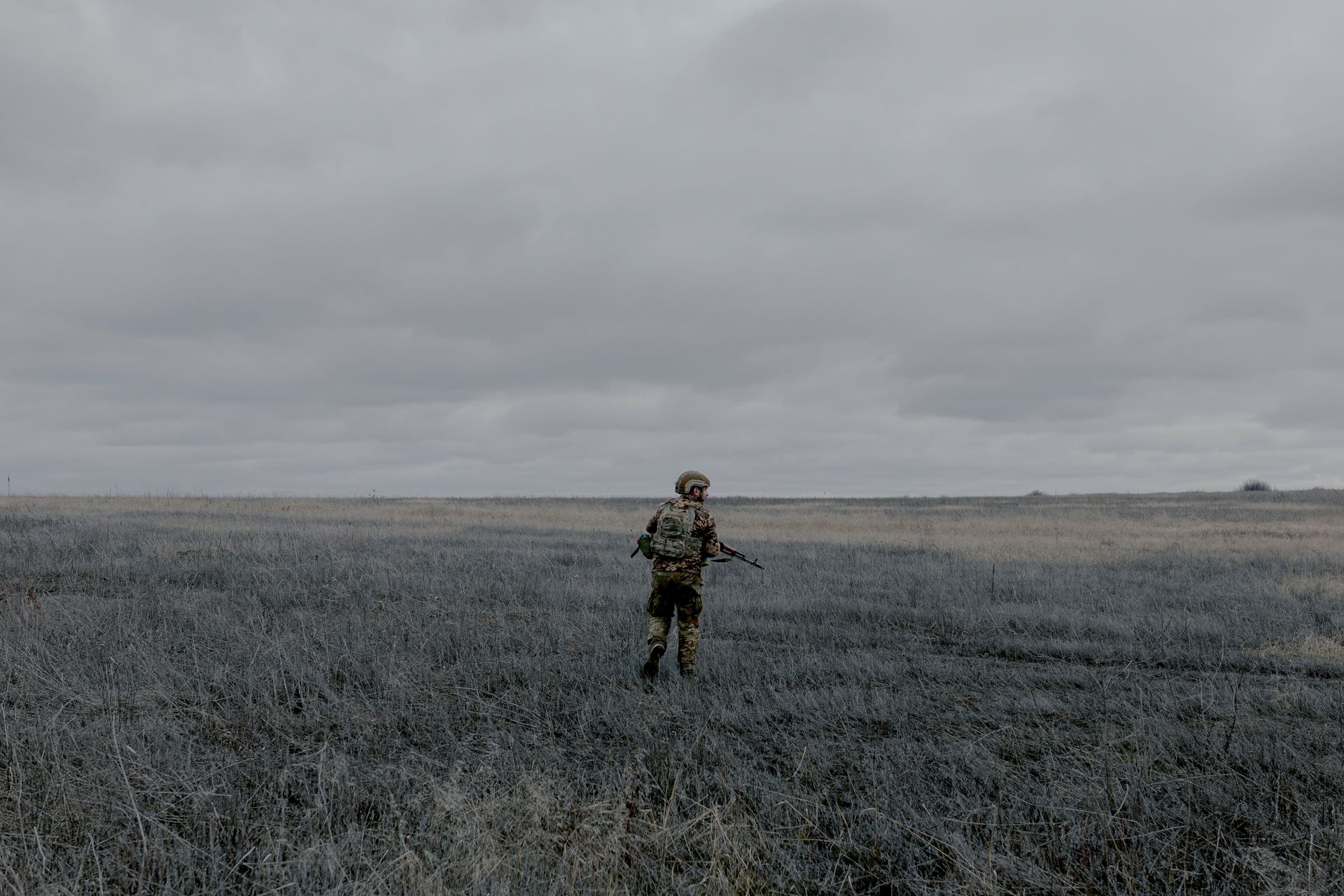
General Staff: Russia has lost 1,286,940 troops in Ukraine since Feb. 24, 2022
#Russia #Ukraine #troop losses #General Staff #war #casualties #invasion
📌 Key Takeaways
- Russia's total military casualties in Ukraine exceed 1.28 million troops as reported by Ukraine's General Staff.
- The reported losses cover the period from the full-scale invasion's start on February 24, 2022.
- The data reflects ongoing high-intensity combat and significant attrition in the conflict.
- Ukraine's military continues to track and publicly disclose Russian casualty figures.
🏷️ Themes
War Casualties, Military Conflict
📚 Related People & Topics

Russia
Country in Eastern Europe and North Asia
Russia, or the Russian Federation, is a country in Eastern Europe and North Asia. It is the largest country in the world, spanning eleven time zones and sharing land borders with fourteen countries. With a population of over 140 million, Russia is the most populous country in Europe and the ninth-mo...

Ukraine
Country in Eastern Europe
# Ukraine **Ukraine** is a country located in Eastern Europe. It is the second-largest country in Europe by area, after Russia. Known for its extensive fertile plains, the nation serves as a critical global exporter of grain and is considered a middle power in international affairs. ## Geography a...

Staff (military)
Management personnel of a military unit
A military staff or general staff (also referred to as army staff, navy staff, or air staff within the individual services) is a group of officers, enlisted, and civilian staff who serve the commander of a division or other large military unit in their command and control role through planning, anal...
Entity Intersection Graph
Connections for Russia:
Mentioned Entities
Deep Analysis
Why It Matters
This staggering casualty figure represents one of the largest military losses in modern European history, directly impacting Russian military capabilities and demographics. The numbers reveal the immense human cost of the invasion, affecting hundreds of thousands of Russian families and potentially influencing domestic political stability in Russia. For Ukraine, these losses demonstrate their defensive effectiveness while highlighting the prolonged nature of the conflict that continues to strain their own military and civilian population. The casualty rate has significant implications for future military operations, potential negotiations, and the long-term geopolitical balance in Eastern Europe.
Context & Background
- The February 24, 2022 invasion marked Russia's largest military operation since World War II, beginning what has become Europe's deadliest conflict since 1945
- Ukrainian military casualties are estimated in the tens of thousands, though exact figures remain classified by Ukrainian authorities
- Previous major conflicts involving Russia include the Soviet-Afghan War (1979-1989) with approximately 15,000 Soviet deaths and the Chechen Wars with estimated Russian military deaths between 7,500-14,000
- The current figures represent losses over approximately 27 months of continuous combat, averaging roughly 1,590 Russian military casualties per day
- These statistics come from Ukrainian military sources and have not been independently verified by international observers, though they align with Western intelligence assessments of significant Russian losses
What Happens Next
Russia will likely continue its current mobilization efforts and may announce additional conscription waves in late 2024 to replenish troop numbers. Military analysts anticipate intensified Russian offensive operations through summer 2024, particularly in eastern Ukraine, before potential weather-related slowdowns in autumn. The casualty rates may influence upcoming diplomatic initiatives, with possible peace negotiations being discussed behind closed doors by various international mediators. Ukraine's Western allies will monitor these loss figures closely as they consider additional military aid packages through 2024 and into 2025.
Frequently Asked Questions
While Ukrainian military figures are considered generally indicative of Russian losses, they represent estimates rather than verified counts and should be viewed alongside Western intelligence assessments. Most analysts believe the numbers reflect the scale of losses accurately, though exact figures may vary between sources. Independent verification remains challenging due to restricted battlefield access and Russia's limited transparency about military casualties.
The reported Russian losses exceed American casualties in all wars since World War II combined and approach Soviet losses during the 10-year Afghanistan conflict within just over two years. In European context, these numbers surpass most post-WWII conflicts, though remain below World War I and World War II casualty rates for major powers. The daily casualty rate represents one of the highest sustained loss rates in modern conventional warfare between nation-states.
The losses have significantly degraded Russia's professional military forces, forcing greater reliance on conscripts, mercenaries, and mobilized reserves. Equipment losses accompanying personnel casualties have necessitated increased production of older Soviet-era systems alongside modern replacements. Despite these setbacks, Russia maintains substantial manpower reserves and industrial capacity to continue prolonged conflict, though with diminished operational effectiveness compared to pre-war capabilities.
Ukraine employs multiple intelligence methods including drone surveillance, intercepted communications, prisoner interrogations, and battlefield observations to estimate enemy losses. These figures are compiled through a multi-agency process involving military intelligence, frontline units, and specialized monitoring groups. The methodology likely produces reasonable estimates though exact verification remains impossible without Russian cooperation or independent battlefield access.
The casualties disproportionately affect younger males from specific regions, potentially creating long-term demographic imbalances and economic consequences. These losses compound Russia's existing demographic challenges including low birth rates and population decline. The military deaths represent a significant human capital loss that may affect Russia's workforce and economic development for decades, particularly in affected regions.