
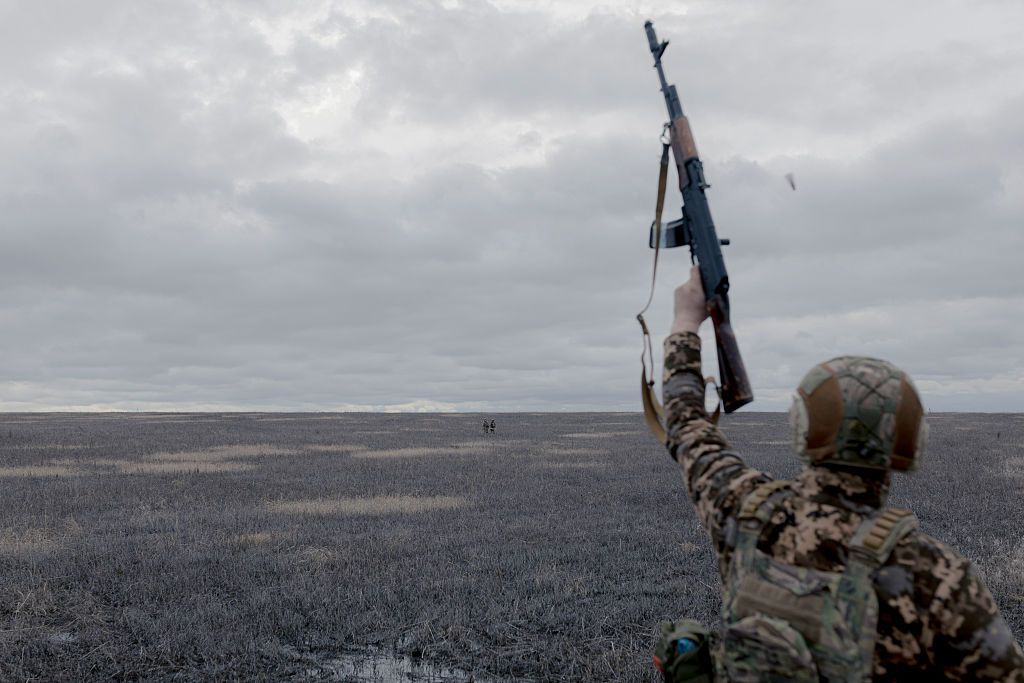
General Staff: Russia has lost 1,288,850 troops in Ukraine since Feb. 24, 2022
#Russia #Ukraine #troop losses #General Staff #invasion #casualties #war
📌 Key Takeaways
- Russia's military casualties in Ukraine exceed 1.28 million since the invasion began.
- The data is reported by Ukraine's General Staff, indicating ongoing heavy losses.
- The figures highlight the prolonged and intense nature of the conflict.
- The report underscores the significant human cost of the war for Russia.
🏷️ Themes
War Casualties, Military Conflict
📚 Related People & Topics

Russia
Country in Eastern Europe and North Asia
Russia, or the Russian Federation, is a country in Eastern Europe and North Asia. It is the largest country in the world, spanning eleven time zones and sharing land borders with fourteen countries. With a population of over 140 million, Russia is the most populous country in Europe and the ninth-mo...

Ukraine
Country in Eastern Europe
# Ukraine **Ukraine** is a country located in Eastern Europe. It is the second-largest country in Europe by area, after Russia. Known for its extensive fertile plains, the nation serves as a critical global exporter of grain and is considered a middle power in international affairs. ## Geography a...

Staff (military)
Management personnel of a military unit
A military staff or general staff (also referred to as army staff, navy staff, or air staff within the individual services) is a group of officers, enlisted, and civilian staff who serve the commander of a division or other large military unit in their command and control role through planning, anal...
Entity Intersection Graph
Connections for Russia:
Mentioned Entities
Deep Analysis
Why It Matters
This staggering casualty figure represents a profound human cost of Russia's invasion, affecting hundreds of thousands of Russian families and reshaping Russia's demographic and military future. The losses have significant implications for Russia's military capabilities, potentially limiting its ability to sustain prolonged conflict and affecting its global power projection. For Ukraine, these numbers represent both the scale of resistance against aggression and the tragic human toll of defending sovereignty, while for NATO and Western allies, they demonstrate the effectiveness of military support to Ukraine and the consequences of confronting modern defensive systems.
Context & Background
- Russia launched its full-scale invasion of Ukraine on February 24, 2022, marking Europe's largest conventional military conflict since World War II
- Ukrainian military casualty figures have been consistently higher than Western intelligence estimates, though all sources agree Russian losses are historically significant for a modern military
- Previous major conflicts involving Russia include the Soviet-Afghan War (1979-1989) with approximately 15,000 Soviet deaths and the First Chechen War (1994-1996) with Russian losses estimated between 5,500-14,000
- The current casualty rate exceeds Russia's losses in all post-Soviet conflicts combined and represents the highest sustained attrition rate for Russian forces in over a century
- Ukraine's General Staff has maintained daily casualty updates since the invasion began, though these figures are difficult to independently verify due to restricted battlefield access
What Happens Next
Russia will likely continue its current mobilization efforts and may implement additional conscription waves to replenish troop losses, potentially affecting Russian society and economy. Military analysts expect Russia to increasingly rely on less-trained personnel and private military companies, which could impact battlefield effectiveness. The casualty figures may influence upcoming diplomatic efforts, as both sides assess their capacity to continue fighting amid ongoing Ukrainian counteroffensives and potential Western military aid decisions.
Frequently Asked Questions
While Ukraine's figures are generally considered higher than Western intelligence estimates, multiple independent analyses confirm Russia has suffered exceptionally heavy losses. The numbers align with patterns observed in satellite imagery of military cemeteries and prisoner of war interviews, though exact figures remain difficult to verify independently.
Russia's losses in Ukraine already exceed its casualties in all post-Soviet conflicts combined, including both Chechen wars and Syria. The scale approaches Soviet losses during the 10-year Afghanistan war in just two years, representing one of the highest casualty rates for any military in recent decades.
The losses have degraded Russia's professional military cadre, forcing reliance on less-trained mobilized personnel and mercenaries. This affects unit cohesion, tactical proficiency, and limits Russia's ability to conduct complex offensive operations while increasing dependence on artillery and attritional warfare tactics.
Ukraine uses multiple intelligence sources including drone surveillance, intercepted communications, prisoner interrogations, and battlefield observations. However, complete verification remains challenging during active combat, leading most analysts to view these as estimates rather than precise counts.
The losses disproportionately affect young men from specific regions, potentially creating long-term demographic imbalances. This could exacerbate Russia's existing population decline and affect economic productivity, particularly in already-depressed regions that have supplied disproportionate numbers of troops.