
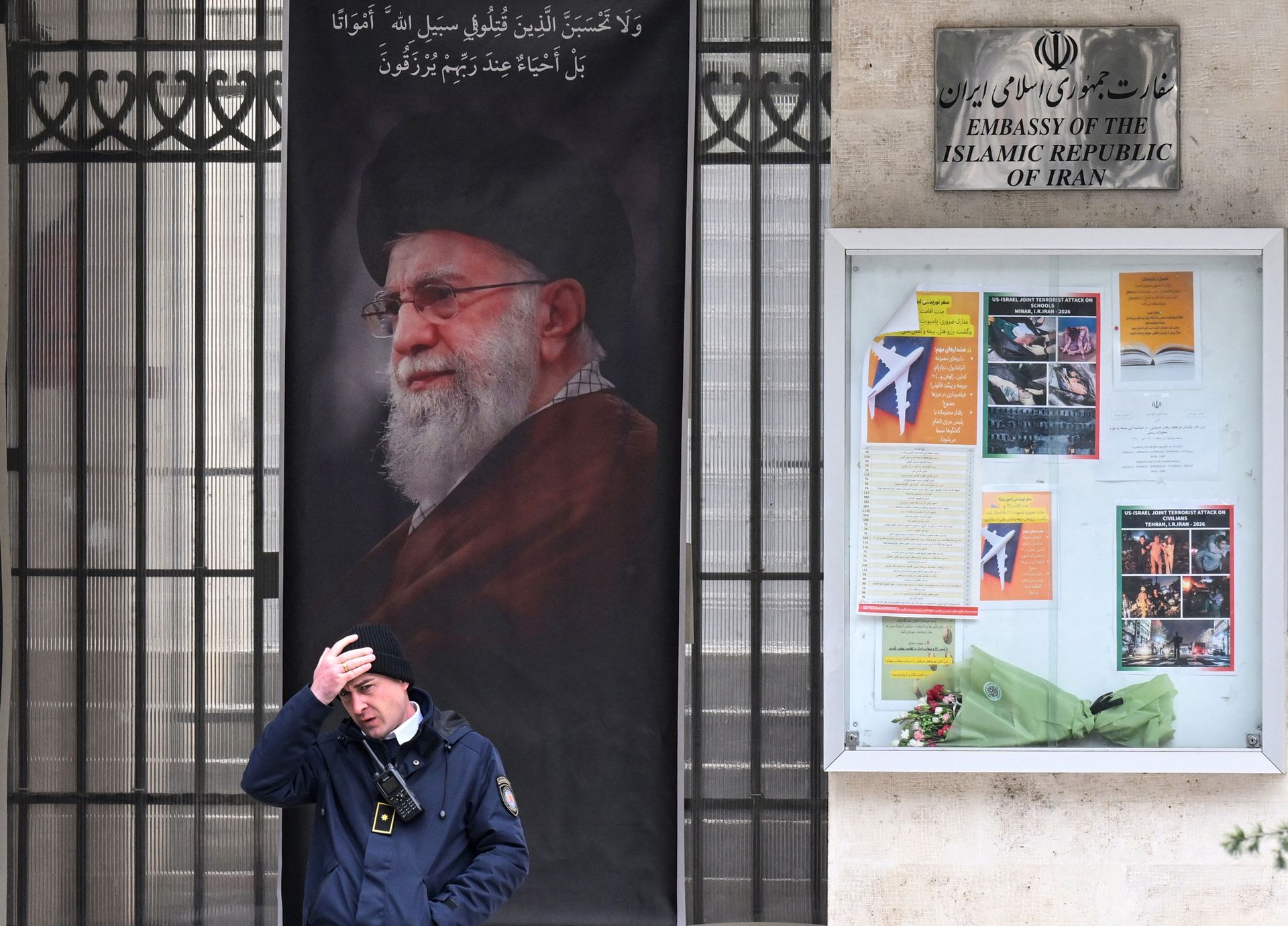
Iran is building shadow state inside Georgia. I was interrogated for saying so
#Iran #Georgia #shadow state #interrogation #foreign interference #covert operations #political tension
📌 Key Takeaways
- Iran is allegedly establishing a covert influence network within Georgia
- The author claims to have been interrogated for publicly stating this assertion
- The situation suggests potential political tensions between Georgia and Iran
- The article raises concerns about foreign interference in Georgian affairs
📖 Full Retelling
🏷️ Themes
Geopolitics, Foreign Influence
📚 Related People & Topics

Iran
Country in West Asia
# Iran **Iran**, officially the **Islamic Republic of Iran** and historically known as **Persia**, is a sovereign country situated in West Asia. It is a major regional power, ranking as the 17th-largest country in the world by both land area and population. Combining a rich historical legacy with a...
Entity Intersection Graph
Connections for Georgia:
Mentioned Entities
Deep Analysis
Why It Matters
This news matters because it alleges covert Iranian influence operations within Georgia's sovereign territory, which could destabilize regional security and strain Georgia's relations with Western allies. It affects Georgia's national security apparatus, Iranian diaspora communities, and international observers monitoring Tehran's foreign activities. The journalist's interrogation raises serious concerns about press freedom and government transparency in Georgia regarding sensitive security matters.
Context & Background
- Georgia has historically balanced relations between Russia, Iran, and Western powers due to its strategic location in the Caucasus region.
- Iran maintains economic and cultural ties with Georgia, including religious tourism to Shiite sites and energy cooperation.
- Previous reports have documented Iranian intelligence activities in neighboring countries like Azerbaijan and Armenia.
- Georgia's security services have faced criticism in the past for both insufficient vigilance and overreach in national security cases.
What Happens Next
Georgia's government will likely issue official denials while conducting internal investigations into the allegations. International human rights organizations may press for transparency about the journalist's interrogation. Western intelligence agencies will probably increase monitoring of Iranian activities in Georgia, potentially leading to diplomatic demarches if evidence emerges.
Frequently Asked Questions
The article doesn't specify evidence, but such claims typically reference cultural centers, religious institutions, business networks, or diplomatic facilities being used for influence operations. Previous reports have noted Iranian attempts to spread ideological influence through Shiite communities.
Georgia offers strategic access to the Black Sea and serves as a corridor between Iran and Europe. Its relatively weak institutions and geopolitical balancing act make it potentially vulnerable to foreign influence operations compared to more consolidated Western-aligned states.
Such allegations could complicate Georgia's Western integration by raising questions about its ability to control its territory and counter foreign influence. EU and NATO would likely demand thorough investigations and demonstrate Georgia's sovereignty over security matters.
Georgia's constitution guarantees press freedom, but journalists reporting on national security matters have faced legal pressure. The Council of Europe and OSCE have previously criticized Georgia's use of anti-state crime laws against journalists.
Russia might exploit the situation to undermine Georgia's Western ties by amplifying the narrative of foreign interference. Alternatively, Moscow could express concern about Iranian expansion near its traditional sphere of influence in the Caucasus.