
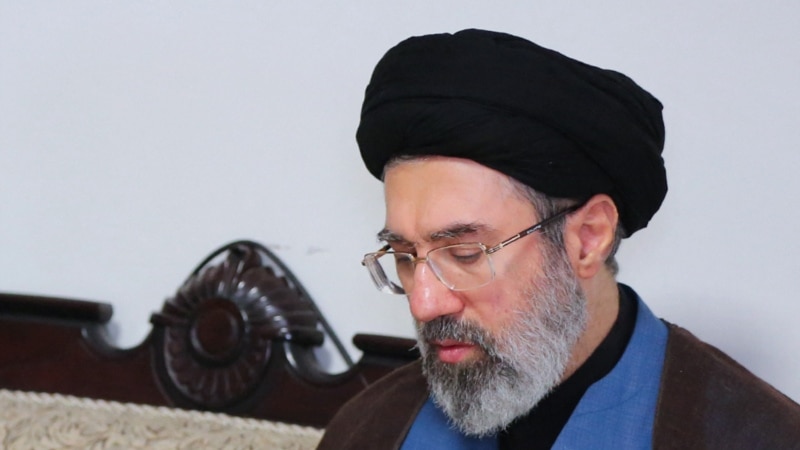
Iran Names Khamenei's Son As New Supreme Leader
#Iran #Supreme Leader #Mojtaba Khamenei #Ali Khamenei #succession #political leadership #dynastic rule
📌 Key Takeaways
- Iran has appointed Mojtaba Khamenei, son of the late Supreme Leader Ali Khamenei, as the new Supreme Leader.
- The succession marks a significant shift in Iran's political and religious leadership.
- The appointment is expected to influence Iran's domestic policies and international relations.
- This move consolidates power within the Khamenei family, raising questions about dynastic rule.
📖 Full Retelling
🏷️ Themes
Leadership Change, Political Succession
📚 Related People & Topics

Ali Khamenei
Supreme Leader of Iran since 1989
Ali Hosseini Khamenei (born 19 April 1939) is an Iranian cleric and politician who has served as the second supreme leader of Iran since 1989. He previously served as the third president of Iran from 1981 to 1989. His tenure as supreme leader, spanning 36 years, makes him the longest-serving head of...
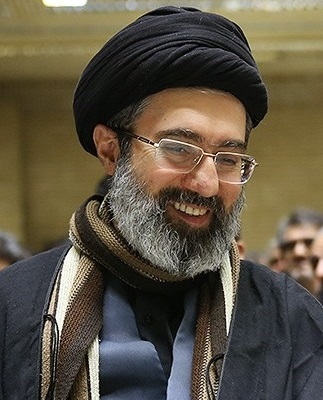
Mojtaba Khamenei
Iranian politician and cleric (born 1969)
Mojtaba Hosseini Khamenei (born 8 September 1969) is an Iranian politician and Muslim cleric. The second eldest child of Ali Khamenei, the former supreme leader of Iran, Mojtaba Khamenei served in the Iran–Iraq War from 1987 to 1988, and also reportedly took control of the Basij that was used to sup...

Iran
Country in West Asia
# Iran **Iran**, officially the **Islamic Republic of Iran** and historically known as **Persia**, is a sovereign country situated in West Asia. It is a major regional power, ranking as the 17th-largest country in the world by both land area and population. Combining a rich historical legacy with a...
Supreme Leader
Topics referred to by the same term
A supreme leader or supreme ruler is a powerful figure with an unchallenged authority.
Entity Intersection Graph
Connections for Ali Khamenei:
View full profileMentioned Entities
Deep Analysis
Why It Matters
This development is critically important because it establishes a hereditary succession in Iran's highest leadership position, fundamentally altering the Islamic Republic's political structure. It affects Iran's 85 million citizens by potentially consolidating power within a single family and could trigger domestic unrest from reformers who oppose dynastic rule. Regionally, it impacts Middle Eastern geopolitics as neighboring countries assess continuity or change in Iranian foreign policy. Globally, it influences nuclear negotiations and international relations as world powers gauge the new leader's approach to diplomacy and confrontation.
Context & Background
- Iran's Supreme Leader is the highest authority in the country's political system, combining religious and political power since the 1979 Islamic Revolution
- Current Supreme Leader Ali Khamenei, 84, has held the position since 1989 following the death of Ayatollah Ruhollah Khomeini
- The Assembly of Experts, an 88-member clerical body, is constitutionally responsible for selecting the Supreme Leader
- Mojtaba Khamenei, the reported successor, has long been considered a potential candidate but his appointment would mark the first hereditary transfer of this position
- Iran's constitution doesn't explicitly prohibit hereditary succession but emphasizes the leader's religious qualifications and selection by clerical consensus
- Previous successions involved extensive deliberation among senior clerics and political factions rather than familial designation
What Happens Next
Formal confirmation by the Assembly of Experts will likely occur within weeks, followed by Mojtaba Khamenei's oath-taking ceremony. Domestic protests may emerge from opposition groups challenging the hereditary transition. International reactions will unfold through diplomatic statements from Western powers, regional neighbors, and international organizations. Policy continuity will be tested in early decisions regarding nuclear negotiations, regional proxy activities, and domestic economic management.
Frequently Asked Questions
The Supreme Leader controls Iran's armed forces, intelligence agencies, judiciary, and state media while appointing key officials including military commanders and judicial heads. This position also has final authority over all state matters and can override elected bodies including the presidency and parliament.
Mojtaba Khamenei will likely maintain his father's cautious approach to nuclear negotiations while preserving Iran's nuclear infrastructure. However, his relative political inexperience may lead to more aggressive posturing to establish authority, potentially complicating diplomatic efforts with Western nations.
Substantial policy shifts are unlikely initially as the established Revolutionary Guard and security apparatus will continue implementing existing strategies. However, long-term changes may emerge as the new leader consolidates power and develops his own relationships with regional proxies and allies.
Reactions are deeply divided with conservative factions supporting continuity while reformists and younger Iranians express frustration about dynastic succession. Social media shows widespread criticism of what many perceive as a betrayal of the revolution's anti-monarchy principles.
Mojtaba Khamenei holds mid-level clerical rank (Hojjatoleslam) and has operated behind the scenes in political and security matters for decades. However, he lacks the senior religious authority (ayatollah rank) traditionally associated with the position, which may create legitimacy challenges among senior clergy.