
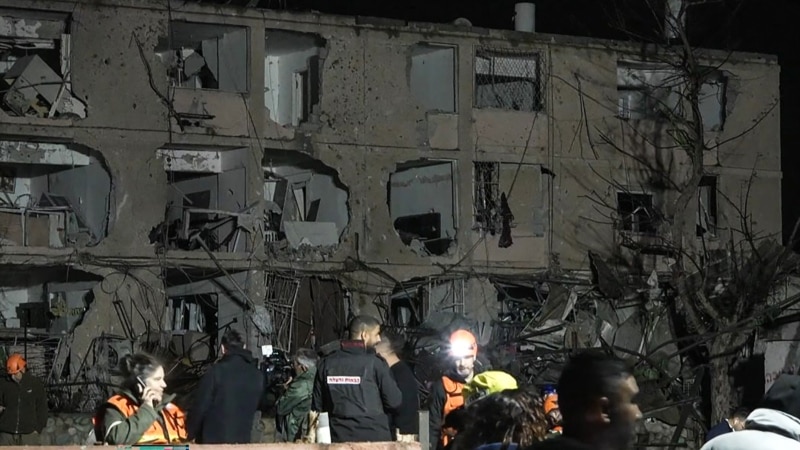
Israel, Iran Heighten Specter Of Disaster With Tit-For-Tat Attacks Near Nuclear Sites
#Israel #Iran #nuclear sites #military strikes #escalation #retaliation #regional conflict
📌 Key Takeaways
- Israel and Iran conducted reciprocal military strikes near each other's nuclear facilities.
- The attacks significantly escalate regional tensions and risk of broader conflict.
- The proximity to nuclear sites raises concerns about potential catastrophic consequences.
- The tit-for-tat nature indicates a dangerous cycle of retaliation is underway.
📖 Full Retelling
🏷️ Themes
Geopolitical Conflict, Nuclear Security
📚 Related People & Topics

Iran
Country in West Asia
# Iran **Iran**, officially the **Islamic Republic of Iran** and historically known as **Persia**, is a sovereign country situated in West Asia. It is a major regional power, ranking as the 17th-largest country in the world by both land area and population. Combining a rich historical legacy with a...

Israel
Country in West Asia
Israel, officially the State of Israel, is a country in the Southern Levant region of West Asia. It is bordered by Lebanon to the north, Syria to the northeast, Jordan to the east, and Egypt to the southwest. Israel occupies the West Bank and the Gaza Strip of the Palestinian territories, as well as...
Entity Intersection Graph
Connections for Iran:
Mentioned Entities
Deep Analysis
Why It Matters
This escalation between Israel and Iran near nuclear facilities dramatically increases the risk of regional conflict with global consequences. It threatens to destabilize the Middle East further and could potentially trigger a broader war involving other nations. The proximity to nuclear sites raises catastrophic possibilities of radioactive contamination or nuclear proliferation. This directly affects regional security, global energy markets, and international diplomatic efforts to contain nuclear weapons development.
Context & Background
- Israel and Iran have been engaged in a shadow war for decades, with Iran supporting proxy groups like Hezbollah and Hamas against Israeli interests
- Iran's nuclear program has been a major point of contention since the 2000s, leading to international sanctions and the 2015 JCPOA nuclear deal
- Israel has conducted numerous covert operations against Iranian nuclear facilities and scientists over the years
- The two nations have previously exchanged attacks in Syria but have generally avoided direct military confrontation on each other's soil
- Iran has repeatedly threatened to destroy Israel, while Israel considers a nuclear-armed Iran an existential threat
What Happens Next
International diplomatic efforts will intensify, likely through UN Security Council emergency sessions and shuttle diplomacy by major powers. Both nations will likely increase military readiness and potentially conduct additional limited strikes while avoiding all-out war. The IAEA will probably demand access to inspect the affected nuclear facilities. Regional allies may be drawn into the conflict, with possible responses from Hezbollah in Lebanon or Houthi rebels in Yemen. The situation could impact ongoing nuclear negotiations between Iran and world powers.
Frequently Asked Questions
Attacks near nuclear facilities risk catastrophic radioactive contamination that could affect large populations and environments for decades. Even conventional explosions could damage containment structures or disrupt safety systems, potentially causing nuclear accidents similar to Chernobyl or Fukushima.
Major powers including the US, Russia, China, and European nations will likely push for immediate de-escalation through diplomatic channels. The UN Security Council will probably hold emergency meetings, while the International Atomic Energy Agency will seek access to assess damage and safety at affected nuclear sites.
While both nations have shown restraint in avoiding direct all-out war previously, the proximity to nuclear sites increases miscalculation risks. Most analysts believe both sides want to avoid full-scale conflict but are testing red lines, creating dangerous escalation dynamics that could spiral out of control.
These attacks undermine global nuclear security norms and may encourage other nations to accelerate nuclear programs for deterrence. The incidents could weaken the Nuclear Non-Proliferation Treaty regime and make future diplomatic solutions more difficult to achieve.
Iran's proxies like Hezbollah in Lebanon and various militias in Syria and Iraq could launch retaliatory attacks against Israeli or US interests. Meanwhile, Israel's regional partnerships with Arab states through the Abraham Accords may be tested as these nations balance relations with both Israel and Iran.