
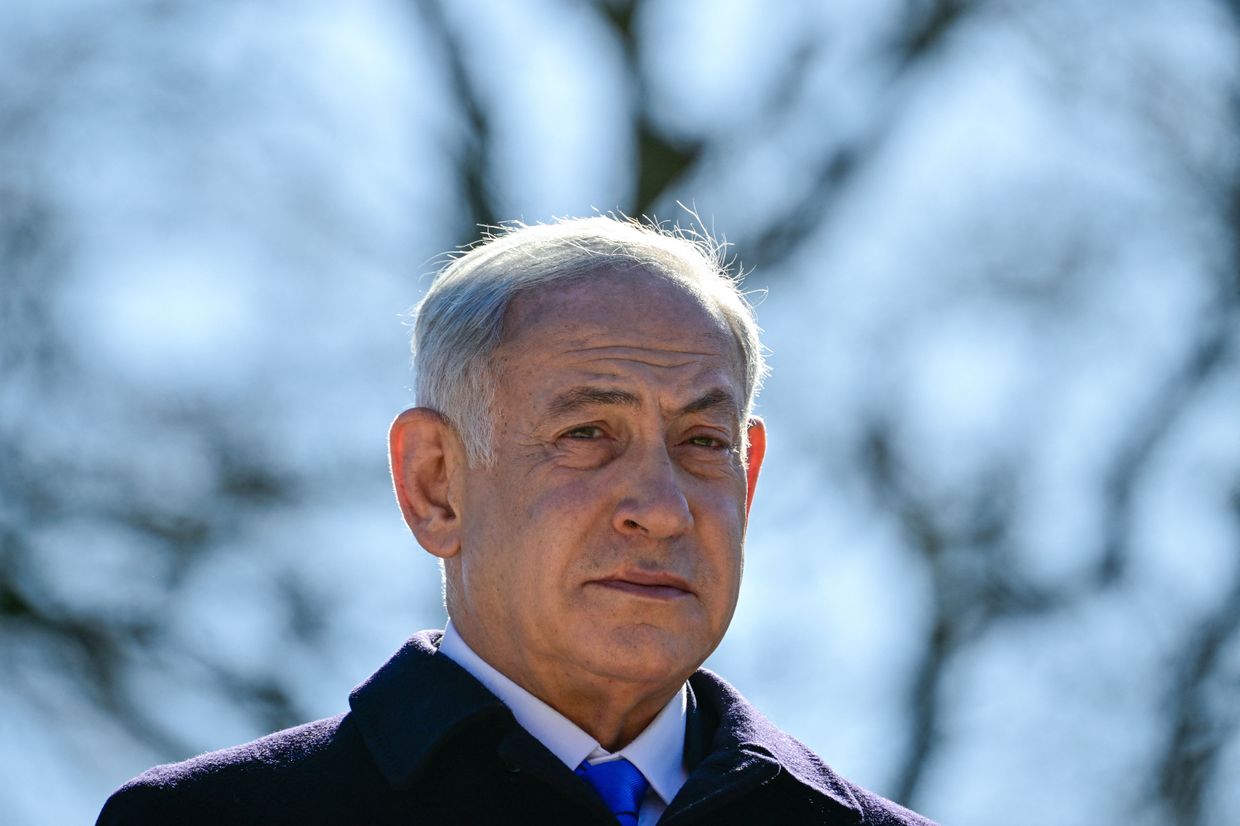
Netanyahu requests talks on Ukrainian interceptor drones with Zelensky, media reports
#Netanyahu #Zelensky #interceptor drones #Ukraine #Israel #defense cooperation #media reports
📌 Key Takeaways
- Israeli Prime Minister Netanyahu reportedly requested talks with Ukrainian President Zelensky regarding interceptor drones.
- The request focuses on discussions about Ukraine's drone technology, specifically interceptor capabilities.
- This development highlights potential defense cooperation between Israel and Ukraine amid ongoing conflict.
- The talks, as reported by media, could involve sharing or acquiring advanced drone defense systems.
📖 Full Retelling
🏷️ Themes
International Relations, Defense Technology
📚 Related People & Topics

Volodymyr Zelenskyy
President of Ukraine since 2019
Volodymyr Oleksandrovych Zelenskyy (born 25 January 1978) is a Ukrainian politician and former entertainer who has served as the sixth president of Ukraine since 2019. He took office five years after the start of the Russo-Ukrainian War with Russia's annexation of Crimea and invasion of the Donbas, ...
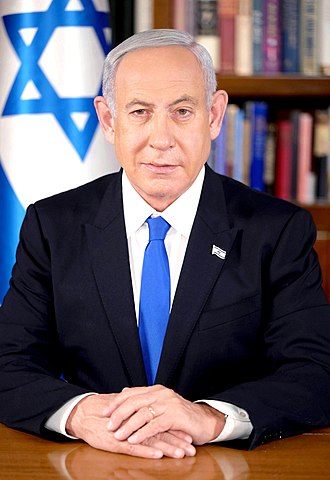
Benjamin Netanyahu
Prime Minister of Israel (1996–1999; 2009–2021; since 2022)
Benjamin "Bibi" Netanyahu (born 21 October 1949) is an Israeli politician and diplomat who has served as Prime Minister of Israel since 2022. Having previously held office from 1996 to 1999 and from 2009 to 2021, Netanyahu is Israel's longest-serving prime minister. Born in Tel Aviv, Netanyahu was r...

Ukraine
Country in Eastern Europe
# Ukraine **Ukraine** is a country located in Eastern Europe. It is the second-largest country in Europe by area, after Russia. Known for its extensive fertile plains, the nation serves as a critical global exporter of grain and is considered a middle power in international affairs. ## Geography a...

Israel
Country in West Asia
Israel, officially the State of Israel, is a country in the Southern Levant region of West Asia. It is bordered by Lebanon to the north, Syria to the northeast, Jordan to the east, and Egypt to the southwest. Israel occupies the West Bank and the Gaza Strip of the Palestinian territories, as well as...
Entity Intersection Graph
Connections for Volodymyr Zelenskyy:
Mentioned Entities
Deep Analysis
Why It Matters
This development matters because it signals potential Israeli military technology cooperation with Ukraine amid Russia's invasion, which could significantly impact Ukraine's air defense capabilities against Russian drones and missiles. It affects Israel's delicate diplomatic balancing act between supporting Western allies and maintaining relations with Russia, which controls Syrian airspace where Israel conducts operations. The news also matters to global defense contractors and geopolitical analysts watching how nations navigate the complex Ukraine conflict alliances.
Context & Background
- Israel has maintained a cautious stance on the Ukraine war, providing humanitarian aid but limiting military support to avoid antagonizing Russia, which controls Syrian airspace where Israel regularly conducts airstrikes against Iranian targets.
- Ukraine has repeatedly requested advanced Israeli air defense systems like Iron Dome and drone technology, but Israel has been reluctant to provide offensive weapons systems to avoid direct confrontation with Russia.
- Russia has used Iranian-made Shahed drones extensively in attacks against Ukrainian infrastructure, creating urgent need for effective counter-drone systems that Israel's defense industry has developed expertise in.
- Benjamin Netanyahu returned to power as Israel's Prime Minister in December 2022, potentially signaling a shift in Israel's approach to the Ukraine conflict compared to previous governments.
What Happens Next
If talks proceed, we can expect discreet diplomatic negotiations in the coming weeks, potentially leading to technical discussions about specific drone interceptor systems. The outcome will likely depend on Israel's assessment of Russian reaction and whether security guarantees can be arranged regarding Syria. Any agreement would face implementation challenges including delivery logistics, training Ukrainian operators, and potential Russian attempts to intercept or sabotage the technology transfer.
Frequently Asked Questions
Interceptor drones are unmanned aircraft designed to detect, track, and physically destroy other drones or aerial threats. Ukraine wants them primarily to counter Russia's extensive use of Iranian-made Shahed drones that target civilian infrastructure and military positions, as current air defenses struggle with these low-flying, small targets.
Israel has maintained strategic coordination with Russia regarding Syria, where Israel conducts regular airstrikes against Iranian targets. Israel depends on Russian non-interference in Syrian airspace and fears that providing offensive weapons to Ukraine could jeopardize this arrangement and potentially endanger Israel's security operations.
Netanyahu's return to power may signal a policy shift, combined with increasing Western pressure on allies to support Ukraine. Additionally, Russia's growing military cooperation with Iran—Israel's primary regional adversary—may be reducing Israel's incentive to accommodate Russian interests in the Ukraine conflict.
Russia would likely protest strongly and potentially retaliate by restricting Israeli operations in Syrian airspace or increasing military cooperation with Iran. However, Russia's dependence on Iranian drones and strained resources in Ukraine may limit how severely they can respond without jeopardizing their own strategic interests.
Discussions would likely focus on Israel's proven counter-drone systems like the Drone Dome or similar technologies developed by Israeli defense companies such as Rafael and Elbit Systems. These systems typically combine radar detection, electronic jamming, and interceptor drones or lasers to neutralize aerial threats.