
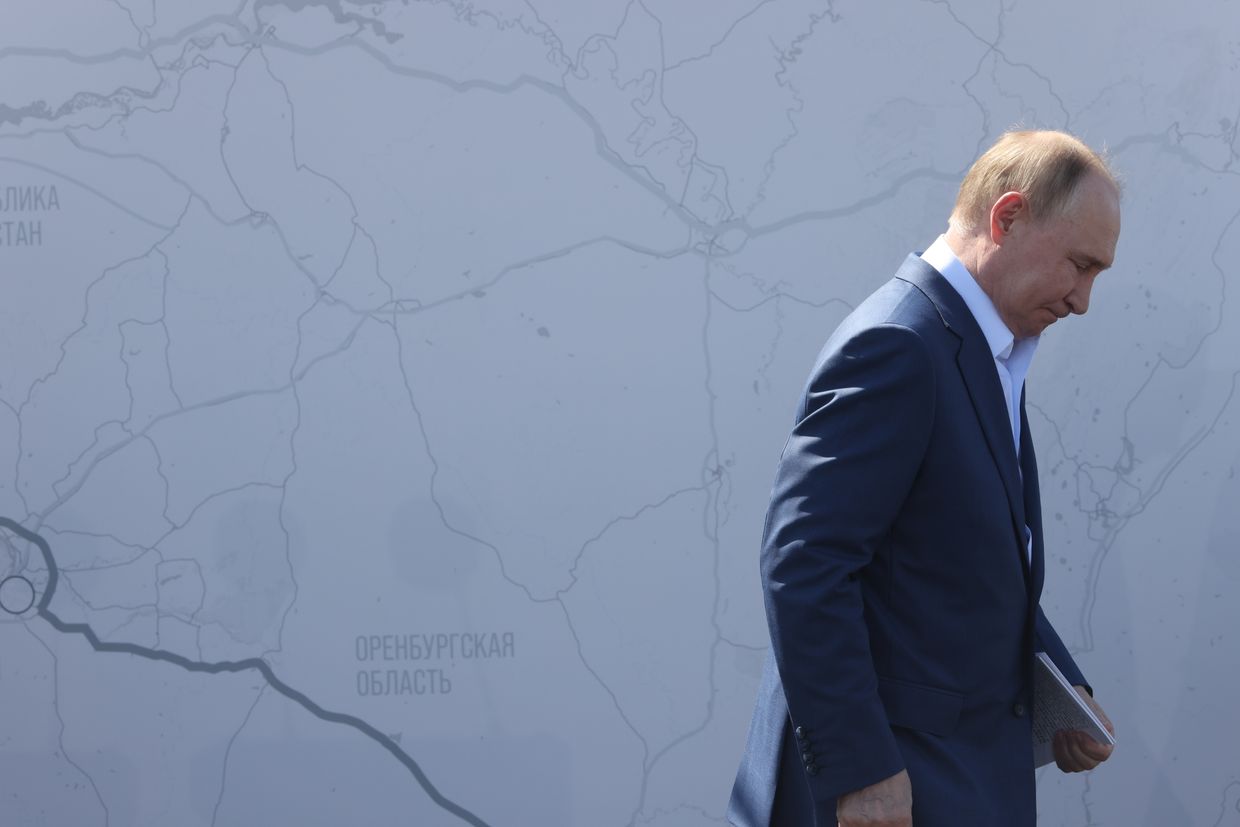
Putin signs law enabling FSB to order individual internet and mobile disconnections, cites security concerns
#Vladimir Putin #FSB #internet disconnection law #mobile network shutdown #security concerns #State Duma #telecom operators #Russia #Ukraine #censorship #WhatsApp blockade #white list #VKontakte #Odnoklassniki #Max messenger #Yandex #Ozon #Wildberries #digital development ministry #civil liberties #net neutrality #court oversight
📌 Key Takeaways
- Law signed by President Vladimir Putin on Feb. 20, 2026.
- FSB empowered to order individual disconnections from mobile and home internet.
- Telecom operators must comply; excluded from liability.
- State Duma approved the bill on Feb. 17 after swift parliamentary process.
- Legislation allows network shutdowns without court oversight, including occupied Ukrainian territories.
- White list of essential websites approved but often fails during blackouts.
- Critics fear increased suppression of dissent and tightening of censorship.
📖 Full Retelling
On February 20 2026, Russian President Vladimir Putin signed a law that empowers the Federal Security Service (FSB) to order the disconnection of individuals from mobile and home internet services across the country, citing overarching security concerns. The legislation, officially endorsed by the State Duma on February 17, compels telecom operators to sever users’ access whenever requested by the FSB and absolves providers from legal liability for such shutdowns. It expands state control over digital communications, allowing authorities to block a person’s connectivity—whether from home or in transit—without any court oversight, including in territories under Moscow’s administration such as occupied regions of Ukraine.
The new law amends Russia’s Communications Code, granting the FSB sweeping powers to restrict internet and mobile networks on a per‑individual basis. Critics argue that the move strengthens the Kremlin’s ability to stifle dissent and tighten information flows amid ongoing wartime censorship and domestic crackdowns. The act comes in the wake of earlier attempts to block the Meta‑owned WhatsApp app in February, a tactic that has intensified government efforts to censor social media.
In line with the law, the Russian Ministry of Digital Development and major internet providers approved a “white list” of websites that would remain accessible during internet blackouts. The list includes state portals, e‑commerce platforms such as Ozon and Wildberries, major search engines and services like Yandex, as well as Kremlin‑backed platforms such as VKontakte, Odnoklassniki and the Max messenger. However, observers report that even these services often struggle to function properly amid full outages. The legislation also stays in force over the occupied parts of Ukraine, effectively extending Moscow’s authority over digital infrastructure beyond its internationally recognised borders.
The rapid legislative passage—reviewed in January and approved in a final reading within three days—has triggered debate over civil liberties and the balance between national security and individual rights. Opinion columnists and independent media outlets warn that the law creates a “digital lifeline” for state surveillance, raising questions about privacy, the role of the judiciary, and the potential for abuse in a politically tense climate.
🏷️ Themes
Security legislation, Digital surveillance, Information control, Civil liberties versus state power, Internet censorship, Government overreach, War-time policy
Entity Intersection Graph
No entity connections available yet for this article.
Original Source
Russia Putin signs law enabling FSB to order individual internet and mobile disconnections, cites security concerns February 21, 2026 6:26 am • 2 min read by Sonya Bandouil Russian President Vladimir Putin signed a law on Feb. 20, framed by authorities as a measure to counter security threats and potential attacks, granting Russia’s Federal Security Service broad authority to order the disconnection of individuals from mobile and home internet services. The legislation obliges telecommunications operators to cut access upon request from the security service, while shielding providers from legal responsibility for such shutdowns, according to Russian independent media outlet Astra . The measure amends Russia’s law on communications and effectively allows authorities to block a person’s access to internet and mobile networks anywhere under Moscow’s control, including occupied parts of Ukraine. Russia’s State Duma approved the bill in its final readings on Feb. 17 after rapidly advancing it through parliament following an initial review in January. Become a member – go ad‑free The law significantly expands state control over digital communications, granting security agencies sweeping powers to restrict connectivity without court oversight. Critics say the move further strengthens the Kremlin’s ability to suppress dissent and control information flows amid ongoing wartime censorship and domestic crackdowns. Russian authorities recently attempted to fully block the Meta-owned WhatsApp messaging app, the social media platform announced on Feb. 12. In September 2025, Russia's Digital Development Ministry and major internet providers approved a so-called "white list" of websites that would remain accessible during mobile internet blackouts. Become a member – go ad‑free The list includes state portals, marketplaces like Ozon and Wildberries, Yandex services, and Kremlin-backed platforms such as VKontakte, Odnoklassniki, and the Max messenger. However, even these services oft...
Read full article at source