
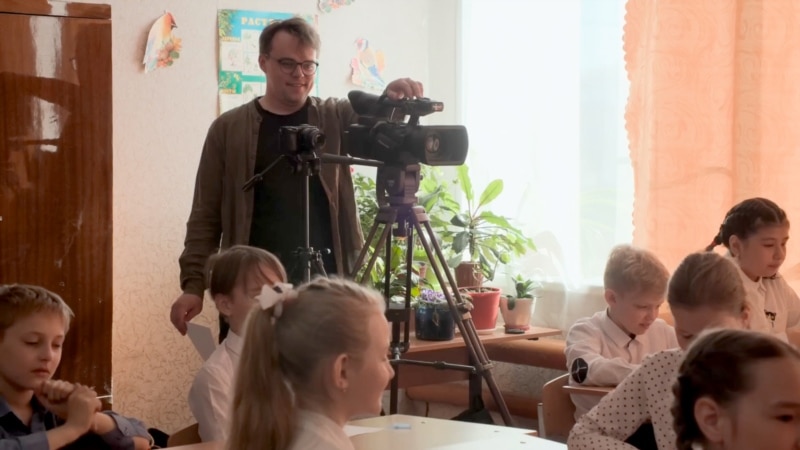
Russia Bans Oscar-Winning Documentary 'Mr. Nobody Against Putin'
#Russia #documentary #ban #Putin #Oscar #censorship #Mr. Nobody Against Putin
📌 Key Takeaways
- Russia has banned the Oscar-winning documentary 'Mr. Nobody Against Putin'.
- The film is critical of Russian President Vladimir Putin.
- The ban reflects ongoing censorship of dissenting media in Russia.
- The documentary had gained international recognition prior to the ban.
📖 Full Retelling
🏷️ Themes
Censorship, Political dissent
📚 Related People & Topics

Russia
Country in Eastern Europe and North Asia
Russia, or the Russian Federation, is a country in Eastern Europe and North Asia. It is the largest country in the world, spanning eleven time zones and sharing land borders with fourteen countries. With a population of over 140 million, Russia is the most populous country in Europe and the ninth-mo...

Vladimir Putin
President of Russia (2000–2008; since 2012)
Vladimir Vladimirovich Putin (born 7 October 1952) is a Russian politician and former intelligence officer who has served as President of Russia since 2012, having previously served from 2000 to 2008. Putin also served as Prime Minister of Russia from 1999 to 2000 and again from 2008 to 2012. He has...
Entity Intersection Graph
Connections for Russia:
Mentioned Entities
Deep Analysis
Why It Matters
This ban represents a significant escalation in Russia's censorship of critical media, directly impacting filmmakers, journalists, and citizens' access to information. It demonstrates the government's tightening control over cultural expression and political discourse ahead of upcoming elections. The move affects international cultural relations and sets a precedent for how Russia handles foreign media that challenges its leadership. Documentary filmmakers and free speech advocates globally will view this as a concerning development for artistic freedom.
Context & Background
- Russia has increasingly restricted media freedom since 2012 with laws targeting 'foreign agents' and 'undesirable organizations'
- The documentary in question reportedly examines opposition to Vladimir Putin's long tenure in power
- Russia previously banned other Western documentaries and films critical of the government, including 'Navalny' (2022)
- Russian media laws allow banning content deemed to contain 'extremist' material or threaten national security
- This occurs amid Russia's broader crackdown on dissent following its invasion of Ukraine in 2022
What Happens Next
International film festivals may screen the documentary in solidarity, potentially leading to diplomatic tensions. Russian authorities will likely face criticism from free speech organizations and may expand similar bans to other media. The filmmakers could appeal the decision through Russian courts, though success is unlikely given the political nature of the ban.
Frequently Asked Questions
The Oscar-winning documentary examines opposition to Vladimir Putin's leadership, though specific content details are limited in available reports. It appears to document various forms of resistance and criticism against Russia's long-serving president.
Russian authorities likely view the documentary as threatening national stability or containing prohibited content under media laws. The government frequently restricts materials it considers extremist or damaging to Russia's international image.
Russian citizens lose legal access to award-winning international journalism about their own political system. This continues a pattern of restricted information flow that limits public discourse on governance and opposition movements.
The ban may strain cultural exchanges between Russia and Western countries, potentially affecting film distribution agreements. International human rights organizations will likely condemn this as another erosion of free expression in Russia.
Yes, Russia has previously banned several documentaries including the 2022 film 'Navalny' about the imprisoned opposition leader. The government maintains a list of prohibited media content that grows regularly.