
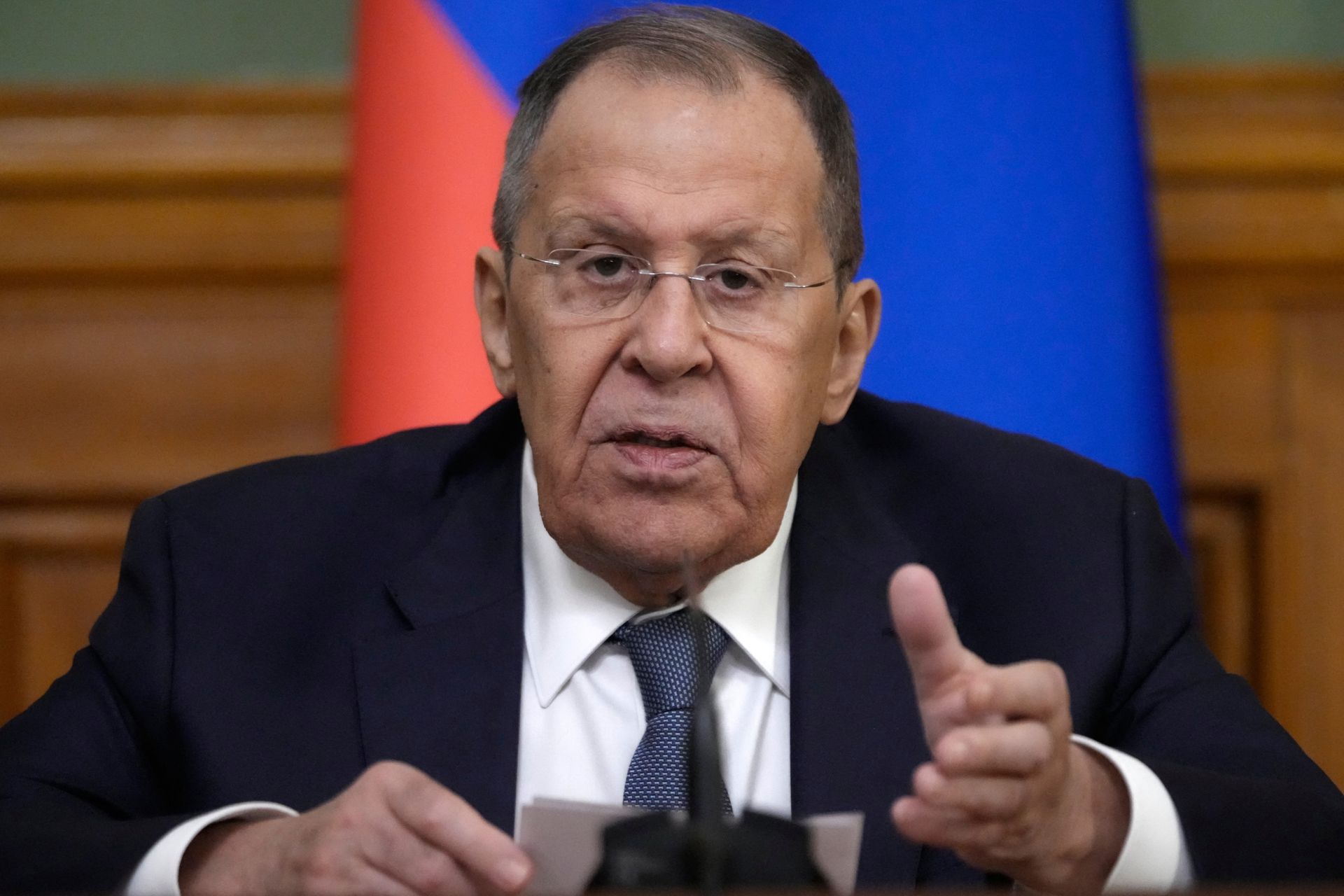
Russia blames UK for Storm Shadow strike on military plant, threatens 'new level' escalation, destruction
#Russia #UK #Storm Shadow missile #military plant #escalation #destruction #strike
📌 Key Takeaways
- Russia accuses the UK of involvement in a Storm Shadow missile strike on a Russian military plant.
- The strike targeted a key military production facility within Russia.
- Russia threatens a 'new level' of escalation in response to the alleged attack.
- Moscow warns of potential destruction and severe consequences for the UK.
📖 Full Retelling
🏷️ Themes
Russia-UK tensions, Military escalation
📚 Related People & Topics

Storm Shadow
Franco-British cruise missile
The Storm Shadow is a Franco-British low-observable, long-range air-launched cruise missile developed since 1994 by Matra and British Aerospace, and now manufactured by MBDA. "Storm Shadow" is the weapon's British name; in France it is called SCALP-EG (which stands for "Système de Croisière Autonome...
Entity Intersection Graph
Connections for Storm Shadow:
Mentioned Entities
Deep Analysis
Why It Matters
This development matters because it represents a dangerous escalation in the Ukraine conflict, with Russia directly accusing a NATO member of involvement in attacks on its territory. It affects UK-Russia relations, European security dynamics, and raises the risk of broader NATO-Russia confrontation. The threat of 'new level' escalation could mean expanded military strikes or unconventional warfare, potentially drawing more countries into active conflict.
Context & Background
- The UK has been supplying Ukraine with Storm Shadow cruise missiles since May 2023, which have a range of approximately 155 miles and can strike deep behind Russian lines
- Russia has previously warned Western countries about 'red lines' regarding weapons supplies to Ukraine, particularly long-range systems capable of hitting Russian territory
- This incident follows a pattern of increasing Ukrainian strikes on Russian military infrastructure using Western-supplied weapons
- Russia has previously conducted limited strikes on Ukrainian infrastructure in response to attacks it attributes to Western support
- The UK has been one of Ukraine's most vocal military supporters since Russia's full-scale invasion began in February 2022
What Happens Next
Russia may conduct retaliatory strikes against UK interests or assets, potentially targeting British military advisors in Ukraine or conducting cyber attacks. The UK government will likely reaffirm its support for Ukraine while assessing security threats. NATO may need to convene emergency meetings to discuss collective response if Russia follows through on escalation threats. Additional sanctions against Russia could be announced by Western allies in coming days.
Frequently Asked Questions
Storm Shadow missiles are long-range cruise missiles supplied by the UK to Ukraine with approximately 155-mile range. They're significant because they enable Ukraine to strike deep behind Russian lines, including military targets in occupied territories and potentially Russian soil.
Russia blames the UK because it supplied the weapons and potentially provided targeting intelligence. This framing allows Russia to portray the conflict as direct confrontation with NATO rather than just with Ukraine, potentially justifying broader retaliation.
This could mean expanded military strikes against Western interests, increased cyber warfare, attacks on supply lines, or unconventional responses. Russia might target British military personnel or assets directly, though this risks triggering NATO's collective defense clause.
The UK has typically dismissed Russian accusations while reaffirming support for Ukraine's right to self-defense. British officials maintain that Ukraine determines how to use supplied weapons within international law governing armed conflict.
While possible, direct conflict remains unlikely as both sides have strong incentives to avoid it. However, miscalculation or escalation spiral could occur, particularly if Russia attacks NATO territory or personnel, triggering Article 5 collective defense obligations.