
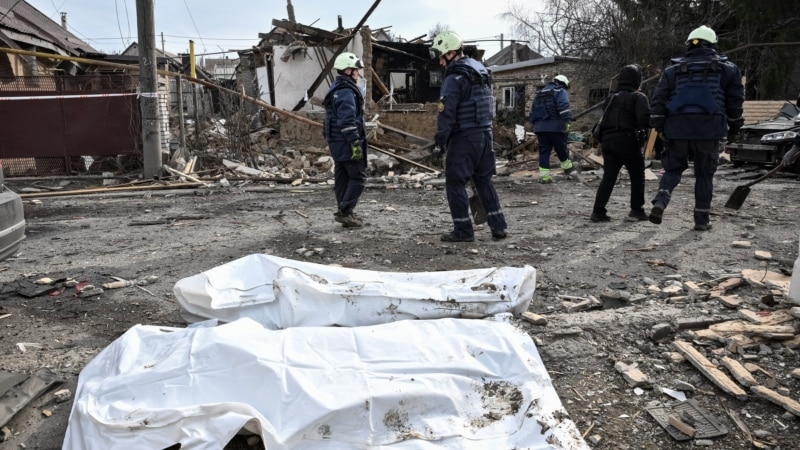
Russia Continues Deadly Strikes On Ukraine Amid Stalled Peace Efforts
#Russia #Ukraine #military strikes #peace talks #conflict #civilian casualties #ceasefire #international diplomacy
📌 Key Takeaways
- Russia continues military strikes on Ukraine, causing casualties and destruction
- Peace negotiations between Russia and Ukraine have stalled with no recent progress
- The conflict shows no signs of immediate de-escalation despite international calls for ceasefire
- Civilian infrastructure remains a target in ongoing attacks
📖 Full Retelling
🏷️ Themes
Russia-Ukraine War, Peace Negotiations
Entity Intersection Graph
No entity connections available yet for this article.
Deep Analysis
Why It Matters
This ongoing conflict represents Europe's largest military confrontation since WWII, directly affecting millions of Ukrainians through displacement, casualties, and infrastructure destruction. The stalled peace efforts indicate diplomatic deadlock that prolongs human suffering and economic disruption across Europe. The situation impacts global energy markets, food security, and international alliances, while testing the resilience of international law and security frameworks.
Context & Background
- The Russia-Ukraine conflict began with Russia's annexation of Crimea in 2014, followed by eight years of simmering conflict in eastern Ukraine
- Full-scale invasion began on February 24, 2022, marking Europe's largest conventional military attack since World War II
- Multiple peace negotiation attempts have occurred, including early talks in Belarus and Turkey, but all have failed to produce lasting agreements
- The conflict has triggered unprecedented Western sanctions against Russia and massive military aid packages to Ukraine
- Ukraine's 2023 counteroffensive failed to achieve major territorial gains, creating current battlefield stalemate conditions
What Happens Next
Military analysts predict continued positional warfare through winter 2024 with both sides preparing for potential spring offensives. Diplomatic efforts may intensify ahead of the 2024 U.S. elections, which could shift Western support dynamics. The EU will debate additional aid packages in early 2024, while Ukraine faces critical decisions about mobilization and defense strategy adjustments.
Frequently Asked Questions
Fundamental disagreements over territorial sovereignty and security guarantees prevent compromise. Russia demands recognition of annexed territories, while Ukraine insists on full territorial restoration and security guarantees against future aggression.
Ukraine's agricultural exports remain disrupted despite Black Sea corridor agreements. This continues to impact global grain prices and food security in developing nations dependent on Ukrainian wheat and sunflower oil exports.
A largely static frontline has developed with heavy fortifications. Both sides are engaged in attritional warfare with artillery duels and drone strikes, but neither has achieved significant territorial gains in recent months.
Western nations are increasing military aid while exploring diplomatic backchannels. There's growing debate about whether to push Ukraine toward negotiations or continue supporting military resistance until Russia withdraws.
Civilian infrastructure attacks have left millions without reliable heat, water, or electricity during winter. The UN reports over 10,000 civilian deaths and 18,000 injuries, with actual numbers likely significantly higher.