
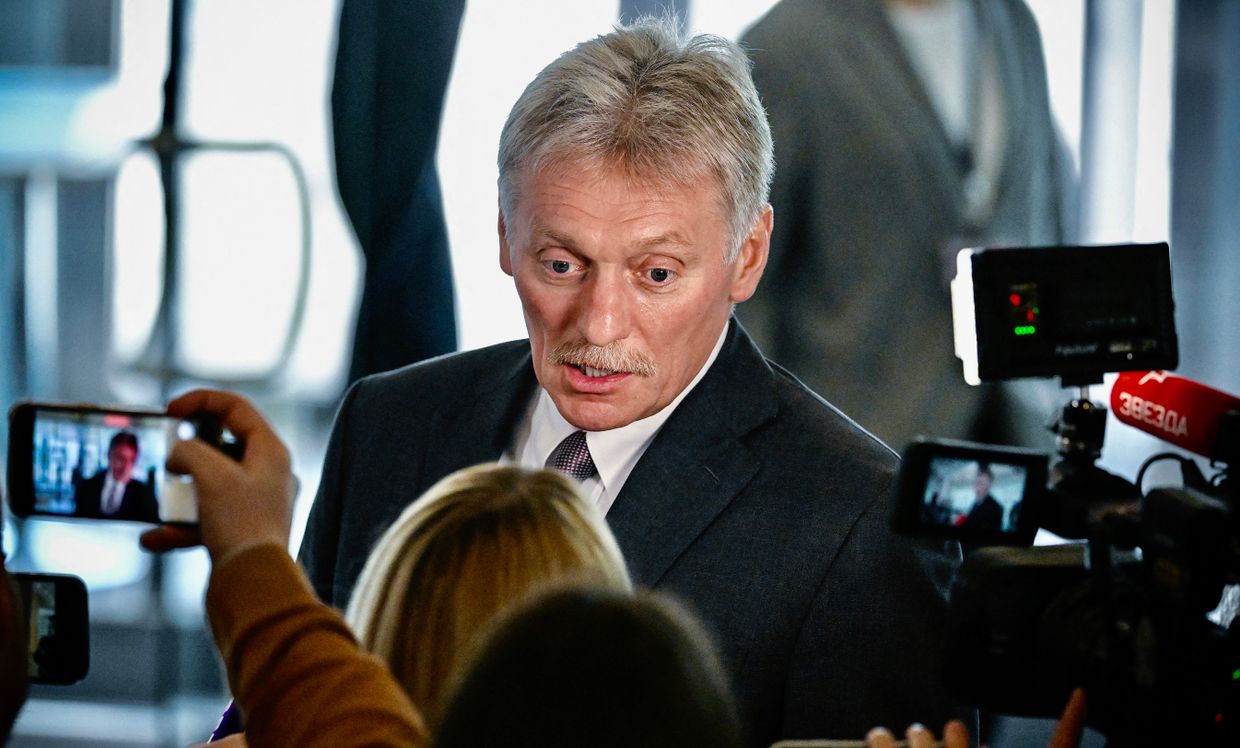
Russia denies Putin asked oligarchs to fund war, calls contribution 'personal decision'
#Russia #Putin #oligarchs #war funding #Kremlin #denial #personal decision
📌 Key Takeaways
- Russia denies President Putin directly asked oligarchs to fund the war effort
- The Kremlin describes any financial contributions from oligarchs as 'personal decisions'
- This statement addresses reports or speculation about Putin soliciting war funds from wealthy individuals
- The denial aims to distance official state policy from individual oligarch actions regarding war financing
📖 Full Retelling
🏷️ Themes
War financing, Political denial
📚 Related People & Topics

Russia
Country in Eastern Europe and North Asia
Russia, or the Russian Federation, is a country in Eastern Europe and North Asia. It is the largest country in the world, spanning eleven time zones and sharing land borders with fourteen countries. With a population of over 140 million, Russia is the most populous country in Europe and the ninth-mo...

Kremlin
Fortified complex in Moscow, Russia
The Moscow Kremlin, commonly known as just the Kremlin, is a fortified complex in Moscow, Russia. Located in the centre of the country's capital city, the Moscow Kremlin comprises five palaces, four cathedrals, and the enclosing Kremlin Wall along with the Kremlin towers. In the complex is the Grand...

Vladimir Putin
President of Russia (2000–2008; since 2012)
Vladimir Vladimirovich Putin (born 7 October 1952) is a Russian politician and former intelligence officer who has served as President of Russia since 2012, having previously served from 2000 to 2008. Putin also served as Prime Minister of Russia from 1999 to 2000 and again from 2008 to 2012. He has...
Entity Intersection Graph
Connections for Russia:
Mentioned Entities
Deep Analysis
Why It Matters
This news matters because it reveals how Russia is financing its ongoing war in Ukraine and the pressure being placed on wealthy oligarchs. It affects Russian business elites who must navigate political loyalty versus financial survival, Western governments monitoring sanctions evasion, and Ukrainian forces facing better-funded opposition. The denial of direct presidential pressure suggests the Kremlin wants to maintain plausible deniability while still extracting resources from the oligarch class.
Context & Background
- Russian oligarchs accumulated vast wealth during the privatization of state assets in the 1990s, often maintaining close ties to political power
- Since the 2022 invasion of Ukraine, Western sanctions have targeted oligarchs' assets abroad, creating financial pressure on this group
- Historically, Russian business leaders have been expected to contribute to state priorities, with refusal carrying political and personal risks
- The Russian military has faced significant equipment and funding challenges during the prolonged conflict in Ukraine
What Happens Next
Expect increased scrutiny of Russian oligarchs' financial movements and potential new sanctions targeting war financing mechanisms. Some oligarchs may attempt to move assets to less transparent jurisdictions while publicly demonstrating loyalty. The Russian government will likely continue seeking alternative funding sources as the war continues into 2025.
Frequently Asked Questions
Oligarchs face immense political pressure and potential retaliation if they refuse, despite official claims of voluntary contributions. Their business interests in Russia depend on maintaining good relations with the Kremlin, making refusal potentially costly.
This demonstrates how sanctions have pushed Russia toward domestic funding sources, though oligarchs may still use international networks. Western governments will likely increase monitoring of alternative financing channels and secondary sanctions.
It shows the continued expectation of financial loyalty despite public denials of coercion. The relationship remains transactional, with oligarchs expected to support state priorities in exchange for protection of their domestic interests.
While exact amounts are undisclosed, these contributions supplement official military budgets and may fund specific units or equipment. They represent one stream among multiple funding sources including increased taxes and redirected budget items.