
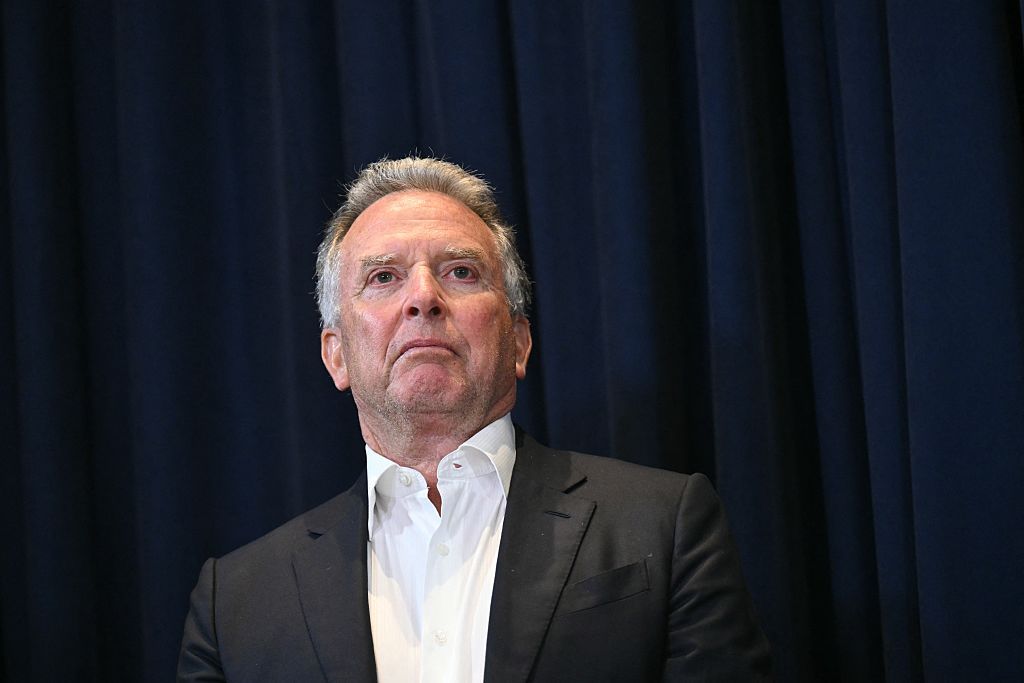
Russia denies sharing intelligence with Iran on U.S. military assets, Witkoff says
#Russia #Iran #U.S. military #intelligence sharing #denial #Witkoff #geopolitical tensions
📌 Key Takeaways
- Russia denies sharing intelligence with Iran regarding U.S. military assets.
- The denial was reported by Witkoff, though the source's role is unspecified.
- The statement addresses allegations of intelligence cooperation between Russia and Iran.
- The focus is on U.S. military assets as the subject of the alleged intelligence sharing.
📖 Full Retelling
🏷️ Themes
Geopolitics, Intelligence
📚 Related People & Topics

Russia
Country in Eastern Europe and North Asia
Russia, or the Russian Federation, is a country in Eastern Europe and North Asia. It is the largest country in the world, spanning eleven time zones and sharing land borders with fourteen countries. With a population of over 140 million, Russia is the most populous country in Europe and the ninth-mo...

Steve Witkoff
American businessman and diplomat (born 1957)
Steven Charles Witkoff (born March 15, 1957) is an American real estate developer, investor, and founder of the Witkoff Group. Since 2025, Witkoff has served as the United States special envoy to the Middle East and special envoy for peace missions. He has also acted as a de facto envoy to Russian p...

Iran
Country in West Asia
# Iran **Iran**, officially the **Islamic Republic of Iran** and historically known as **Persia**, is a sovereign country situated in West Asia. It is a major regional power, ranking as the 17th-largest country in the world by both land area and population. Combining a rich historical legacy with a...
Entity Intersection Graph
Connections for Russia:
Mentioned Entities
Deep Analysis
Why It Matters
This news matters because it involves potential intelligence sharing between two major U.S. adversaries, Russia and Iran, which could directly impact U.S. military security and personnel in the Middle East. If true, such cooperation would represent a significant escalation in anti-U.S. collaboration that could endanger American troops and assets. The denial itself is diplomatically significant as it comes amid heightened tensions between Russia and Western nations over Ukraine and other geopolitical conflicts. This affects U.S. military planners, intelligence agencies, and policymakers who must assess the credibility of these claims and adjust security protocols accordingly.
Context & Background
- Russia and Iran have strengthened military and economic ties in recent years, particularly since Russia's 2022 invasion of Ukraine and subsequent Western sanctions
- Iran has provided Russia with military drones used in Ukraine, while Russia has offered technical assistance to Iran's military programs
- The U.S. maintains significant military assets in the Middle East, including bases in Syria, Iraq, and Gulf states, which have been targeted by Iranian-backed militias
- Intelligence sharing between adversaries of the U.S. represents a growing concern for American security officials as geopolitical alliances shift
- Previous reports have suggested increasing military cooperation between Moscow and Tehran, though both nations often publicly deny sensitive aspects of their partnership
What Happens Next
U.S. intelligence agencies will likely increase monitoring of communications and military movements between Russian and Iranian forces. Congressional committees may hold hearings to assess the threat and potential policy responses. The Pentagon will probably review force protection measures for U.S. assets in regions where Iranian proxies operate. Diplomatic channels may see increased U.S. pressure on countries that maintain relations with both Russia and Iran to discourage such intelligence cooperation.
Frequently Asked Questions
Russia may see intelligence sharing as reciprocal for Iran's military support in Ukraine, particularly drone technology. Such cooperation could help both countries counter U.S. influence in the Middle East and create additional pressure points against American foreign policy objectives. The strategic alignment against common adversaries often drives such intelligence partnerships between nations.
Russia's denials should be viewed with skepticism given their history of covert military cooperation with Iran and other U.S. adversaries. Intelligence sharing is typically conducted through deniable channels that allow for plausible denial. Western intelligence agencies generally rely on signals intelligence and human sources rather than public statements from involved governments.
Forward-deployed assets in Syria and Iraq would be particularly vulnerable, where U.S. forces operate in proximity to Iranian-backed militias. Naval assets in the Persian Gulf and Red Sea could also be at increased risk. Critical infrastructure supporting U.S. military operations throughout the Middle East would be priority intelligence targets for any shared information.
This development complicates diplomatic engagement with Iran by suggesting Tehran is deepening ties with another sanctioned nation while potentially engaging in activities threatening to U.S. forces. It may harden positions among Western negotiators who view Iran's regional activities as inseparable from nuclear talks. The intelligence cooperation could become a new point of contention in already stalled negotiations.