
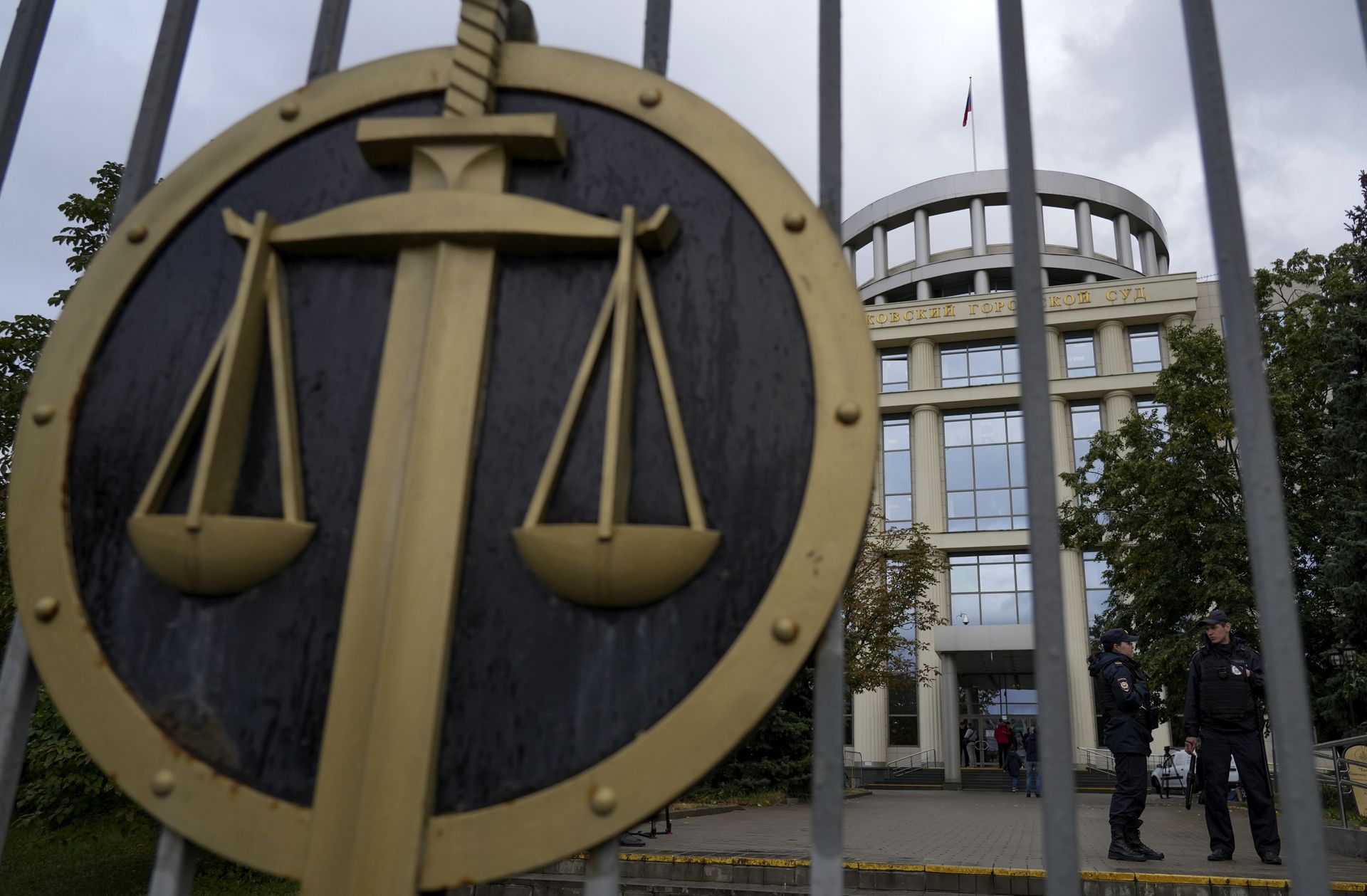
Russia sentences 5 Ukrainian POWs to 15–18 years over 2024 Kursk incursion
#Russia #Ukraine #prisoners of war #Kursk #incursion #sentencing #2024
📌 Key Takeaways
- Russia sentenced five Ukrainian prisoners of war to 15–18 years in prison.
- The charges relate to a 2024 incursion into Russia's Kursk region.
- The trial highlights Russia's legal actions against Ukrainian military personnel.
- The case underscores ongoing legal and military tensions between Russia and Ukraine.
📖 Full Retelling
🏷️ Themes
Military conflict, Legal proceedings
Entity Intersection Graph
No entity connections available yet for this article.
Deep Analysis
Why It Matters
This sentencing matters because it represents a significant escalation in Russia's legal treatment of Ukrainian prisoners of war, potentially violating international humanitarian law which prohibits prosecuting POWs for lawful acts of war. It affects the five Ukrainian soldiers directly, their families, and sets a dangerous precedent that could impact thousands of other Ukrainian POWs held by Russia. The international community, particularly human rights organizations and diplomatic bodies, must monitor this development as it complicates potential prisoner exchanges and peace negotiations.
Context & Background
- The 2024 Kursk incursion was a cross-border raid by Ukrainian forces into Russia's Kursk region in August 2024, marking one of the most significant Ukrainian military operations on Russian soil since the full-scale invasion began in February 2022.
- Russia has previously prosecuted Ukrainian POWs under terrorism charges, including in the 2022 Mariupol theater bombing case where three Ukrainian soldiers received lengthy prison sentences.
- The Geneva Conventions establish that prisoners of war cannot be prosecuted for participating in hostilities, only for war crimes, with POW status requiring combatants to wear uniforms and carry arms openly.
- Russia and Ukraine have conducted multiple prisoner exchanges throughout the conflict, with the largest single exchange occurring in January 2025 involving 400 prisoners from each side.
What Happens Next
Ukraine will likely condemn the sentences and appeal to international bodies like the UN and International Committee of the Red Cross. Diplomatic efforts may intensify to include these soldiers in future prisoner exchanges, though Russia's position could harden. Human rights organizations will probably investigate whether these were show trials, and the case may be raised in upcoming international forums like UN Human Rights Council sessions in March 2025.
Frequently Asked Questions
Russia claims these soldiers committed terrorism or other criminal acts during military operations, but international law experts argue this violates the Geneva Conventions which protect POWs from prosecution for lawful combat activities. Russia uses these prosecutions for domestic propaganda and to pressure Ukraine.
In August 2024, Ukrainian forces conducted a cross-border operation into Russia's Kursk region, temporarily capturing territory before withdrawing. This represented a significant escalation as Ukraine took the conflict directly to Russian soil beyond the contested border regions.
These lengthy sentences complicate prisoner swaps because Russia may demand higher-value prisoners in exchange or refuse to include convicted soldiers. Ukraine may insist on their inclusion, potentially stalling future exchange negotiations between the two countries.
The Third Geneva Convention prohibits prosecuting prisoners of war for lawful acts committed during military operations. POWs can only be tried for war crimes, and must receive fair trials with protections including access to representatives and proper defense.
Exact numbers are disputed, but estimates suggest Russia holds between 8,000-10,000 Ukrainian prisoners of war. Ukraine holds approximately 3,000 Russian POWs, creating an imbalance that affects negotiation dynamics for exchanges.