
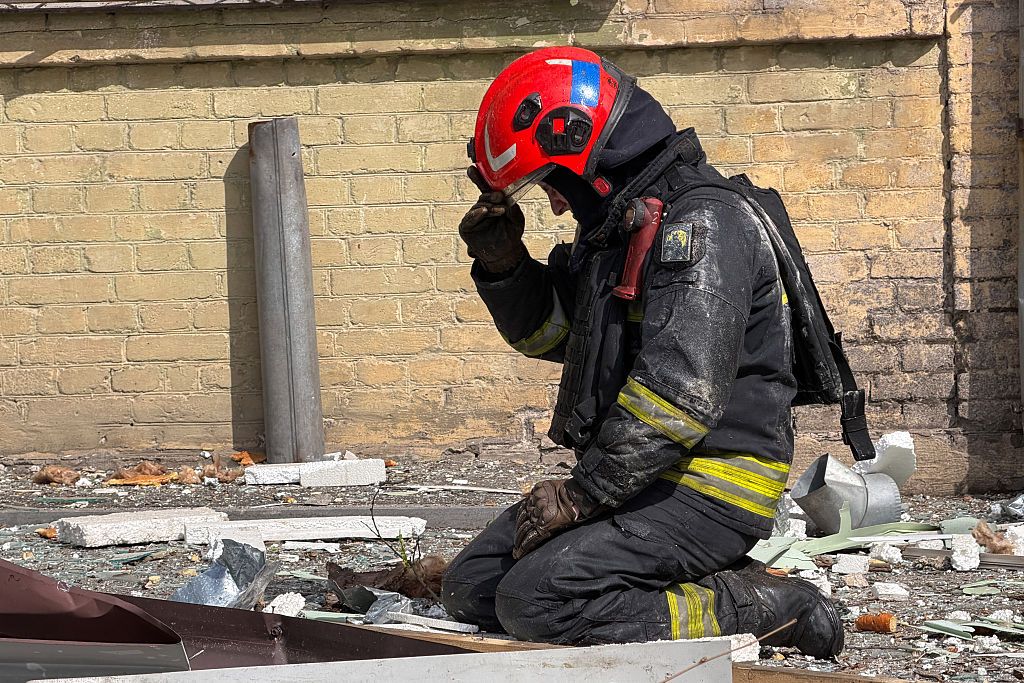
Russian attacks kill 1, injure 13 in Ukraine over past day
#Russia #Ukraine #civilian deaths #injuries #attacks #Kharkiv #Donetsk #war
📌 Key Takeaways
- One civilian killed in Russian attacks across Ukraine
- Thirteen civilians injured in the past day's assaults
- Attacks targeted multiple regions including Kharkiv and Donetsk
- Ongoing conflict continues to cause civilian casualties daily
📖 Full Retelling
🏷️ Themes
War Casualties, Military Conflict
📚 Related People & Topics

Russia
Country in Eastern Europe and North Asia
Russia, or the Russian Federation, is a country in Eastern Europe and North Asia. It is the largest country in the world, spanning eleven time zones and sharing land borders with fourteen countries. With a population of over 140 million, Russia is the most populous country in Europe and the ninth-mo...

Donetsk
City and administrative center of Donetsk Oblast, Ukraine
Donetsk (UK: don-YETSK, US: dən-; Ukrainian: Донецьк [doˈnɛtsʲk] ; Russian: Донецк [dɐˈnʲetsk] ), formerly known as Aleksandrovka, Yuzivka (or Hughesovka), Stalin, and Stalino, is an industrial city in eastern Ukraine located on the Kalmius River in Donetsk Oblast, which is currently occupied by R...

Ukraine
Country in Eastern Europe
# Ukraine **Ukraine** is a country located in Eastern Europe. It is the second-largest country in Europe by area, after Russia. Known for its extensive fertile plains, the nation serves as a critical global exporter of grain and is considered a middle power in international affairs. ## Geography a...

Kharkiv
City in Kharkiv Oblast, Ukraine
Kharkiv, also known as Kharkov, is the second-largest city in Ukraine. Located in the northeast of the country, it is the largest city of the historic region of Sloboda Ukraine. Kharkiv is the administrative center of Kharkiv Oblast and Kharkiv Raion.
Entity Intersection Graph
Connections for Russia:
Mentioned Entities
Deep Analysis
Why It Matters
This ongoing violence demonstrates Russia's continued military aggression against Ukraine despite international condemnation, directly threatening civilian lives and regional stability. The casualties highlight the human cost of the conflict, affecting families, communities, and Ukraine's healthcare system. This matters globally as it represents a violation of international law and sovereignty, potentially influencing geopolitical alliances and energy markets worldwide.
Context & Background
- Russia launched a full-scale invasion of Ukraine on February 24, 2022, following eight years of conflict in eastern Ukraine since 2014
- The war has caused tens of thousands of civilian casualties and displaced millions of Ukrainians internally and abroad
- International sanctions against Russia represent the most comprehensive economic restrictions imposed on a major economy in modern history
- Ukraine has received substantial military and humanitarian aid from Western nations, particularly the United States and European Union countries
What Happens Next
Ukraine will likely continue documenting and reporting war crimes to international bodies while requesting additional air defense systems from allies. Russia will probably maintain or intensify attacks on civilian infrastructure as winter approaches. The UN Security Council may hold emergency sessions, though Russia's veto power limits meaningful action. Western nations will consider additional sanctions packages and military aid decisions in coming weeks.
Frequently Asked Questions
Military analysts suggest Russia targets civilian infrastructure to demoralize Ukrainian resistance, disrupt essential services, and create refugee crises. These attacks may also represent failed precision strikes or deliberate terror tactics to pressure Ukrainian leadership.
Ukrainian casualty figures are generally considered reliable by international observers and UN agencies, though they may represent minimum estimates. The UN Human Rights Monitoring Mission verifies casualties through multiple sources, noting that actual numbers are often higher than reported.
The Geneva Conventions explicitly prohibit attacks on civilians and civilian infrastructure, requiring combatants to distinguish between military and civilian targets. Deliberate attacks on civilians constitute war crimes under international humanitarian law.
Continued civilian casualties harden Ukraine's negotiating position and reduce public support for concessions. Each attack makes diplomatic resolution more difficult by deepening trauma and increasing demands for accountability and security guarantees.
Individuals can support verified humanitarian organizations providing medical aid and shelter in Ukraine, advocate for continued government support to Ukraine, and stay informed through reliable news sources. Financial donations to established relief agencies have the most direct impact.