
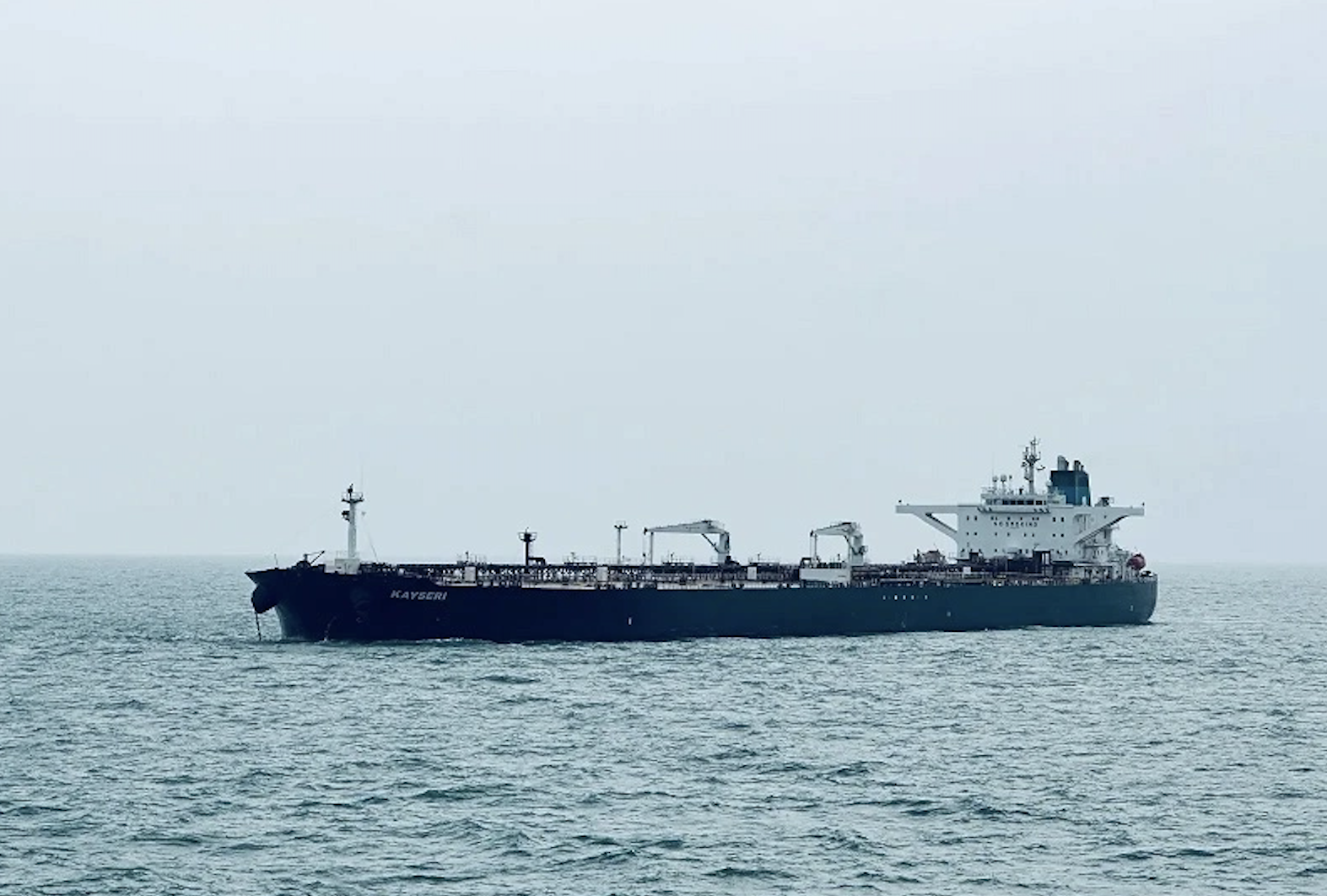
Russian shadow fleet tanker carrying 140,000 tons of oil hit by drone in Black Sea
#Russian shadow fleet #tanker #drone attack #Black Sea #oil #sanctions #maritime conflict
📌 Key Takeaways
- A Russian shadow fleet tanker carrying 140,000 tons of oil was struck by a drone in the Black Sea.
- The incident highlights the ongoing maritime security threats in the Black Sea region.
- It underscores the risks to global oil supply chains from regional conflicts.
- The attack targets vessels involved in circumventing international sanctions on Russian oil.
📖 Full Retelling
🏷️ Themes
Maritime Security, Energy Security
📚 Related People & Topics

Black Sea
Eurasian sea northeast of the Mediterranean
The Black Sea is a marginal sea lying between Europe and Asia, east of the Balkans, south of the East European Plain, west of the Caucasus, and north of Anatolia. It is bounded by Bulgaria, Georgia, Romania, Russia, Turkey, and Ukraine. The Black Sea is supplied by major rivers, principally the Danu...

Russian shadow fleet
Russian vessels evading sanctions
The Russian shadow fleet is a clandestine network of hundreds of vessels operated by Russia to evade sanctions, following the enactment of 2022 Russian crude oil price cap sanctions by the G7 countries and European Union (EU), in response to the 2022 Russian invasion of Ukraine.
Entity Intersection Graph
Connections for Black Sea:
View full profileMentioned Entities
Deep Analysis
Why It Matters
This attack on a Russian shadow fleet tanker carrying 140,000 tons of oil in the Black Sea represents a significant escalation in maritime warfare tactics and threatens global energy security. It directly impacts global oil markets by potentially disrupting Russian oil exports that circumvent Western sanctions, affecting energy prices worldwide. The incident endangers maritime safety in critical shipping lanes and increases environmental risks of major oil spills in the Black Sea region. This development matters to energy traders, coastal nations, environmental agencies, and demonstrates how drone warfare is expanding into commercial maritime domains.
Context & Background
- Russia has developed a 'shadow fleet' of aging tankers to transport oil while evading Western sanctions and price caps imposed after the 2022 invasion of Ukraine
- The Black Sea has become a contested maritime zone with increased military activity since Russia's full-scale invasion of Ukraine, including attacks on commercial shipping
- Ukraine has increasingly used maritime drones to target Russian naval assets and commercial vessels in the Black Sea as part of asymmetric warfare tactics
- Previous attacks on shadow fleet vessels have occurred, including the 2023 incident where a drone hit the Russian tanker SIG near the Kerch Strait
- The shadow fleet consists of older vessels often lacking proper insurance and safety standards, increasing environmental risks
What Happens Next
Expect increased insurance premiums for vessels operating in the Black Sea and potential rerouting of oil shipments. Russia will likely enhance naval patrols and electronic warfare capabilities to counter drone threats. International maritime organizations may issue new safety advisories for the region. Ukraine may continue targeting shadow fleet vessels to disrupt Russian oil revenue. Environmental cleanup operations may be needed if the attack caused significant oil leakage.
Frequently Asked Questions
Shadow fleet tankers are older vessels used by Russia to transport oil while avoiding Western sanctions. These ships often operate with obscured ownership, use questionable insurance, and employ tactics like ship-to-ship transfers to conceal oil origins and destinations.
Ukraine targets Russian oil tankers to disrupt Moscow's energy revenue that funds its war effort. By attacking shadow fleet vessels, Ukraine aims to increase the costs and risks of Russian oil exports while demonstrating capability to strike maritime targets far from front lines.
A 140,000-ton oil spill could devastate Black Sea ecosystems and coastal economies. Shadow fleet vessels often lack modern safety standards and proper insurance, making cleanup difficult and increasing risks of environmental catastrophe in this semi-enclosed sea.
The attack may cause temporary price spikes due to supply concerns, but sustained impact depends on whether Russia can reroute shipments. The incident highlights vulnerabilities in Russian export infrastructure, potentially forcing buyers to seek alternative suppliers.
International maritime law provides some protections for neutral commercial vessels, but belligerents often target enemy-linked shipping. The legal status is complicated when vessels are used to transport war-sustaining commodities like oil for a combatant nation.