
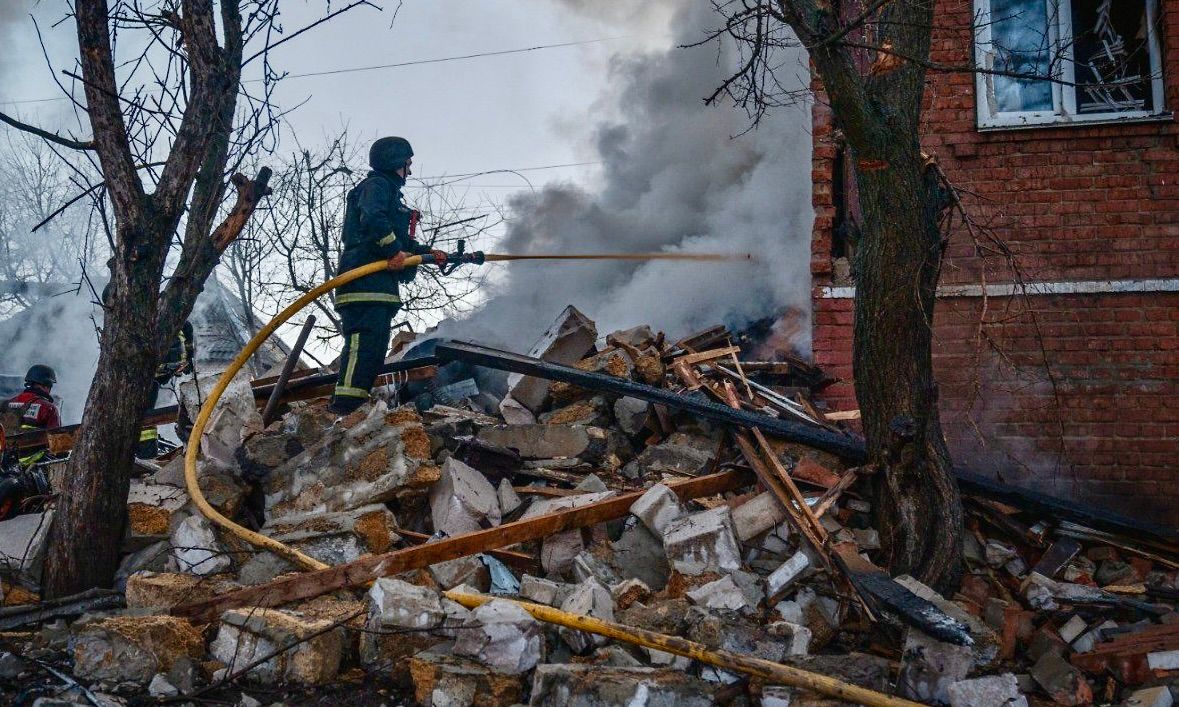
Russian strikes kill 7, injure 46 across Ukraine as energy grid targeted again
#Russia #Ukraine #strikes #energy grid #casualties #infrastructure #war
📌 Key Takeaways
- Russian strikes killed 7 people and injured 46 across Ukraine
- The attacks specifically targeted Ukraine's energy infrastructure again
- The strikes occurred in multiple locations throughout the country
- This continues Russia's pattern of targeting civilian energy systems
📖 Full Retelling
🏷️ Themes
War Casualties, Energy Attacks
📚 Related People & Topics

Russia
Country in Eastern Europe and North Asia
Russia, or the Russian Federation, is a country in Eastern Europe and North Asia. It is the largest country in the world, spanning eleven time zones and sharing land borders with fourteen countries. With a population of over 140 million, Russia is the most populous country in Europe and the ninth-mo...

Ukraine
Country in Eastern Europe
# Ukraine **Ukraine** is a country located in Eastern Europe. It is the second-largest country in Europe by area, after Russia. Known for its extensive fertile plains, the nation serves as a critical global exporter of grain and is considered a middle power in international affairs. ## Geography a...
Entity Intersection Graph
Connections for Russia:
Mentioned Entities
Deep Analysis
Why It Matters
This attack demonstrates Russia's continued strategy of targeting civilian infrastructure to weaken Ukrainian morale and military capacity during winter. The casualties and energy grid damage directly affect millions of Ukrainian civilians facing potential blackouts, heating shortages, and disrupted essential services. This escalation matters internationally as it violates humanitarian law and could impact European energy stability, while testing Western resolve to support Ukraine's defense capabilities against systematic infrastructure attacks.
Context & Background
- Russia has repeatedly targeted Ukraine's energy infrastructure since October 2022, causing widespread blackouts and humanitarian crises during winter months
- Ukraine's energy system has been severely degraded with approximately 50% of power generation capacity damaged or destroyed since the full-scale invasion began
- Previous attacks on energy infrastructure in 2022-2023 left millions without power during freezing temperatures, creating what the UN called 'a humanitarian catastrophe'
- These strikes follow a pattern of Russian escalation during winter months when energy demand peaks and civilian vulnerability increases
- Ukraine has been implementing emergency energy imports and rolling blackouts to manage the damaged grid since previous attacks
What Happens Next
Ukraine will likely implement emergency power rationing and seek increased air defense systems from Western allies. The EU may expedite energy infrastructure support packages, while Russia will probably continue similar strikes through winter. Upcoming NATO meetings in December will likely address additional air defense commitments, and Ukraine may retaliate with strikes on Russian energy facilities. International organizations will probably issue renewed warnings about humanitarian impacts as temperatures drop.
Frequently Asked Questions
Russia aims to break Ukrainian civilian morale, disrupt military logistics, and create humanitarian pressure during winter when energy demand peaks. This strategy attempts to weaken Ukraine's ability to sustain both civilian life and military operations through systematic infrastructure destruction.
Civilians face extended blackouts affecting heating, water supply, medical services, and communication systems. Businesses and essential services become disrupted, creating economic paralysis and increasing displacement as people seek areas with functioning infrastructure.
Ukraine needs more advanced air defense systems to intercept missiles and drones, while implementing decentralization through smaller power generation units. International partners are helping with equipment repairs, emergency generators, and potential integration with European energy grids.
While Ukraine isn't a major energy exporter, attacks create uncertainty in European energy security and may affect gas transit routes. This could pressure global energy prices and accelerate Europe's transition away from Russian energy dependence.
International law experts argue that deliberately targeting civilian infrastructure constitutes a war crime under the Geneva Conventions. However, Russia claims these are legitimate military targets, creating ongoing investigations by international bodies.
Western allies are providing transformers, generators, repair equipment, and technical expertise. The EU has established an energy support hub, while the US and other countries have committed hundreds of millions in energy sector assistance since 2022.