
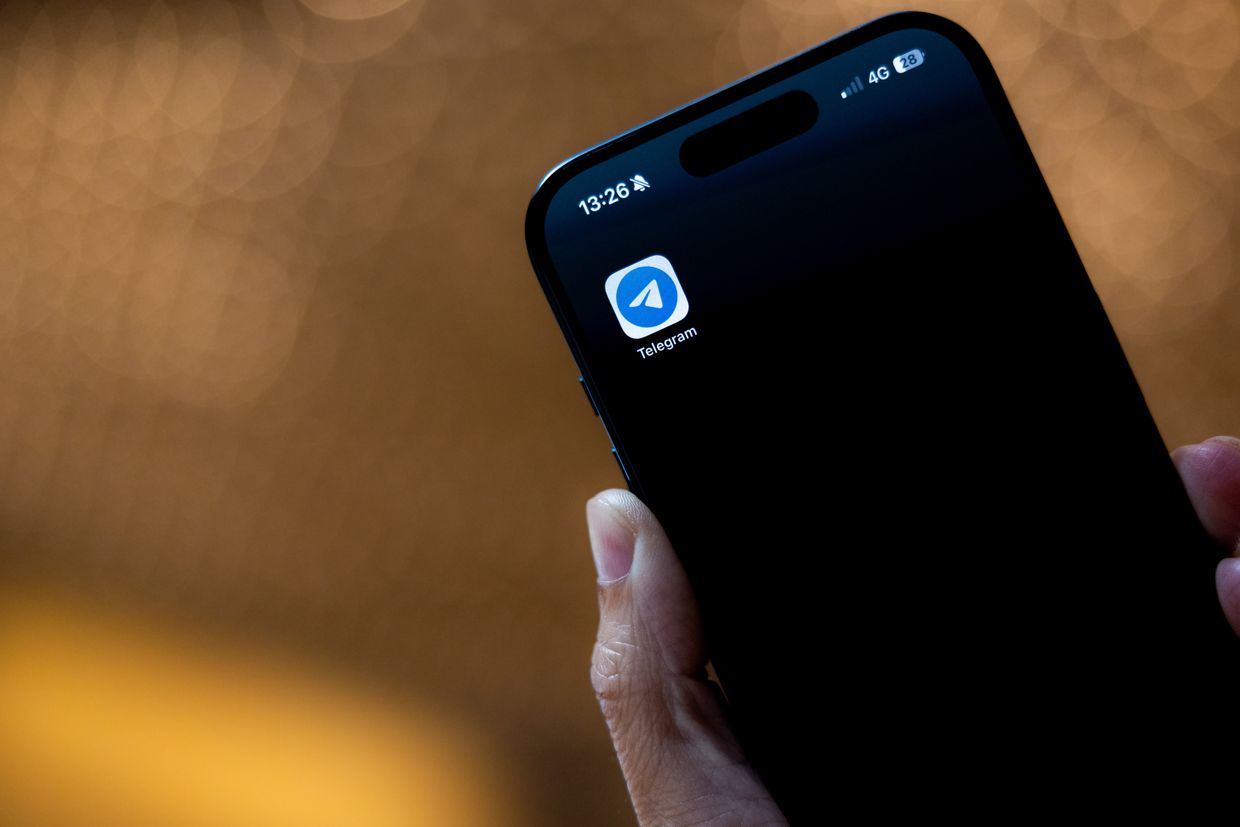
Russians losing Telegram access as Kremlin moves to block popular messenger
#Telegram #Russia #Kremlin #block #messenger #access #censorship
📌 Key Takeaways
- Russian authorities are blocking access to Telegram, a widely used messaging app.
- The Kremlin's move is part of ongoing efforts to control digital communication platforms.
- This action disrupts a key tool for information sharing and social organization in Russia.
- The blockage reflects increasing government censorship and internet restrictions in the country.
📖 Full Retelling
🏷️ Themes
Internet censorship, Digital communication
Entity Intersection Graph
No entity connections available yet for this article.
Deep Analysis
Why It Matters
This news is important because Telegram is a widely used messaging app in Russia, with millions relying on it for personal communication, business, and news dissemination. It affects ordinary citizens, journalists, activists, and businesses who depend on the platform for secure and uncensored communication. The Kremlin's move to block it represents a significant escalation in internet censorship, potentially isolating Russians from global information flows and tightening state control over digital spaces.
Context & Background
- Telegram, founded by Russian entrepreneur Pavel Durov, has faced repeated clashes with Russian authorities over its refusal to share encryption keys with security services.
- Russia's 'Yarovaya Law' (2016) requires telecom operators and internet companies to store user communications and metadata for extended periods and provide access to authorities.
- Previous attempts to block Telegram in 2018-2020 were largely unsuccessful due to technical workarounds, but the app has remained under regulatory pressure.
- The Kremlin has increasingly restricted access to foreign social media platforms and messaging services, citing national security and information control concerns.
What Happens Next
In the short term, Russians may turn to VPNs or alternative messaging apps like WhatsApp or VK Messenger to circumvent the block, though these could also face scrutiny. Legal challenges or negotiations between Telegram and Russian authorities might occur, but a prolonged blockage seems likely. The move could further fragment Russia's internet ecosystem, pushing users toward state-approved platforms and increasing digital surveillance capabilities.
Frequently Asked Questions
Russian authorities claim Telegram is being blocked due to non-compliance with local laws requiring access to encrypted communications for security purposes. They argue it facilitates illegal activities and unrest, though critics view it as a crackdown on free speech and independent information.
Many Russians will lose access to a primary tool for messaging, news, and community organizing, forcing them to switch to less secure alternatives or use VPNs. Businesses and media outlets relying on Telegram channels for distribution may face disruptions and reduced reach.
Yes, Russia attempted to block Telegram in 2018 after it refused to hand over encryption keys, but the ban was partially ineffective due to technical workarounds and was officially lifted in 2020. However, regulatory pressure has persisted, leading to this renewed effort.
Users might switch to apps like WhatsApp, Signal, or Russian-made services such as VK Messenger, though these may also be monitored or restricted. VPN usage is expected to surge to bypass the block, despite being officially discouraged by authorities.
Global users are unlikely to be directly affected, as the block is specific to Russia. However, it may set a precedent for other authoritarian regimes to impose similar restrictions, potentially influencing Telegram's policies or encryption standards worldwide.