
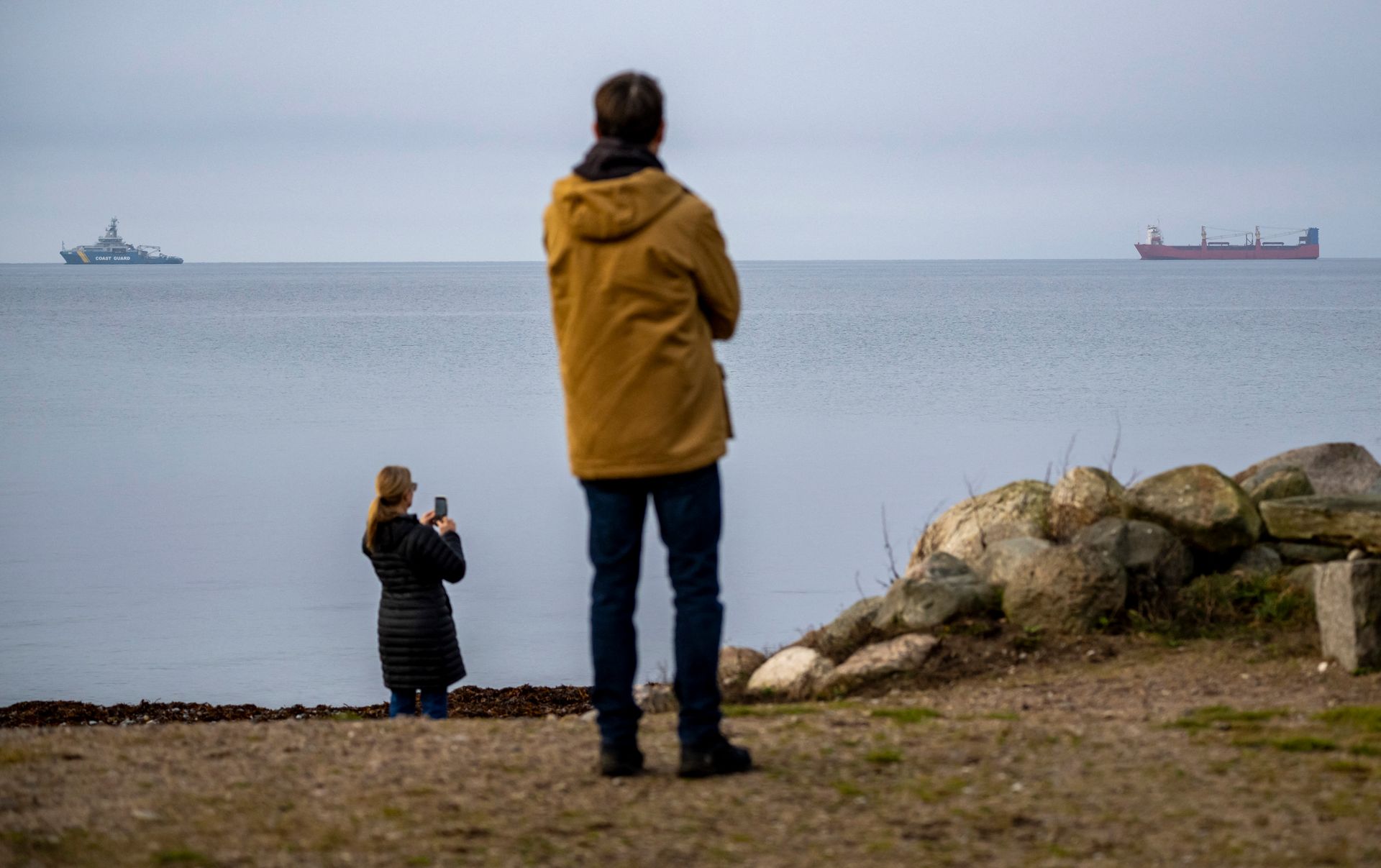
Sweden detains another suspected Russian shadow fleet vessel in Baltic Sea
#Sweden #Russia #shadow fleet #Baltic Sea #detention #sanctions #maritime security
📌 Key Takeaways
- Swedish authorities detained a vessel suspected of being part of Russia's shadow fleet in the Baltic Sea.
- The detention reflects ongoing efforts to enforce sanctions against Russia.
- The incident highlights the use of shadow fleets to circumvent international restrictions.
- It underscores regional security concerns in the Baltic Sea amid geopolitical tensions.
🏷️ Themes
Maritime Security, Sanctions Enforcement
📚 Related People & Topics

Russia
Country in Eastern Europe and North Asia
Russia, or the Russian Federation, is a country in Eastern Europe and North Asia. It is the largest country in the world, spanning eleven time zones and sharing land borders with fourteen countries. With a population of over 140 million, Russia is the most populous country in Europe and the ninth-mo...

Baltic Sea
Sea in northern Europe
The Baltic Sea is an arm of the Atlantic Ocean that is enclosed by the countries of Denmark, Estonia, Finland, Germany, Latvia, Lithuania, Poland, Russia, Sweden, and the North and Central European Plain regions. It is the world's largest brackish water basin. The sea stretches from 53°N to 66°N lat...
Sweden
Country in northern Europe
Sweden, formally the Kingdom of Sweden, is a Nordic country located on the Scandinavian Peninsula in Northern Europe. It borders Norway to the west and north, and Finland to the east. At 450,295 square kilometres (173,860 sq mi), Sweden is the largest Nordic country by both area and population, and ...
Entity Intersection Graph
Connections for Russia:
Mentioned Entities
Deep Analysis
Why It Matters
This detention matters because it represents an escalation in Western efforts to enforce sanctions against Russia's oil exports, directly impacting global energy markets and Russia's war funding. It affects European maritime security by challenging Russia's use of 'shadow fleets' to circumvent price caps on Russian oil. The action also demonstrates Sweden's assertive stance in Baltic Sea security following its NATO accession, potentially straining diplomatic relations with Russia while reinforcing regional defense cooperation.
Context & Background
- Russia has developed a 'shadow fleet' of aging tankers to transport oil while avoiding Western sanctions and price caps imposed after the 2022 Ukraine invasion
- The Baltic Sea has become a strategic chokepoint for Russian oil exports, with key ports like Primorsk and Ust-Luga shipping approximately 1.5 million barrels daily
- Sweden joined NATO in March 2024, fundamentally altering Baltic Sea security dynamics and enabling more coordinated actions against Russian maritime activities
- Previous incidents include Sweden detaining a Russian oil tanker in May 2024 and multiple EU nations seizing vessels suspected of sanctions violations
What Happens Next
Swedish authorities will likely conduct a thorough investigation of the vessel's ownership, insurance, and cargo documentation over the next 2-4 weeks. The EU may coordinate additional interdictions based on intelligence gathered from this detention. Russia will probably respond with diplomatic protests and potentially retaliatory measures against Swedish interests. NATO allies are expected to increase Baltic Sea patrols through summer 2024, with possible joint exercises focused on maritime sanctions enforcement.
Frequently Asked Questions
A shadow fleet vessel refers to older tankers, often with obscure ownership and insurance, used by Russia to transport oil while evading Western sanctions. These ships frequently disable tracking systems, use ship-to-ship transfers, and employ complex corporate structures to conceal their activities and circumvent the $60 per barrel price cap on Russian oil.
Sweden's recent NATO membership has emboldened its maritime security posture while providing intelligence sharing capabilities with allies. The timing reflects increased Western pressure to tighten sanctions enforcement as Russia finds new ways to export oil above price caps, with Baltic Sea monitoring becoming a priority for disrupting Russia's war financing.
Sweden acts under EU sanctions regulations implemented following Russia's invasion of Ukraine, which prohibit EU members from providing services enabling Russian oil transport above price caps. Swedish maritime law also allows detention of vessels violating international regulations or operating with improper documentation in territorial waters.
Each successful interdiction increases risks for shadow fleet operators, potentially raising insurance costs and reducing the attractiveness of transporting Russian oil. This could tighten global oil supply if Russia struggles to export its usual volumes, though significant price impacts require coordinated multinational enforcement rather than isolated incidents.
Russia will probably issue diplomatic protests and may retaliate through economic measures against Swedish companies or increased military exercises in the Baltic region. Moscow might also accelerate development of alternative export routes through the Arctic or Caspian Sea while further obscuring its shipping operations through additional corporate layering.