
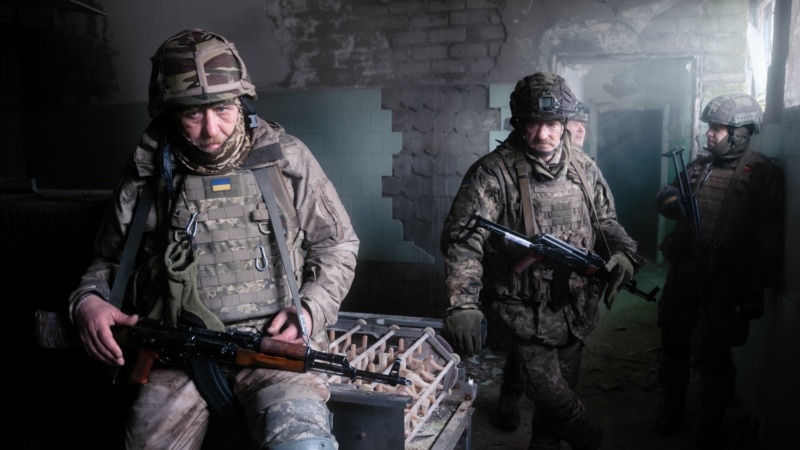
The Aging Convicts And Female Prisoners Bolstering Ukraine's War Effort
#Ukraine #convicts #female prisoners #war effort #military #recruitment #aging #conflict
📌 Key Takeaways
- Ukraine is recruiting aging convicts and female prisoners to support its military efforts.
- This strategy addresses personnel shortages in the ongoing conflict.
- The inclusion of these groups reflects the extensive mobilization required for the war.
- The approach highlights the severe human resource challenges faced by Ukraine.
📖 Full Retelling
🏷️ Themes
Military Recruitment, War Effort
📚 Related People & Topics

Ukraine
Country in Eastern Europe
# Ukraine **Ukraine** is a country located in Eastern Europe. It is the second-largest country in Europe by area, after Russia. Known for its extensive fertile plains, the nation serves as a critical global exporter of grain and is considered a middle power in international affairs. ## Geography a...

War effort
Coordinated mobilization of society's resources towards supporting a military force
War effort is a coordinated mobilization of society's resources—both industrial and civilian—towards the support of a military force, particularly during a state of war. Depending on the militarization of the culture, the relative size of the armed forces and the society supporting them, the style o...
Entity Intersection Graph
Connections for Ukraine:
Mentioned Entities
Deep Analysis
Why It Matters
This development matters because it reveals Ukraine's urgent need for manpower amid prolonged conflict, highlighting the severe human cost of the war. It affects Ukrainian society by drawing from marginalized populations like aging convicts and female prisoners, potentially altering post-war social dynamics. The strategy also raises ethical questions about military recruitment practices during national emergencies and could influence international perceptions of Ukraine's war conduct.
Context & Background
- Ukraine has faced significant manpower shortages since Russia's full-scale invasion began in February 2022, with estimates suggesting hundreds of thousands of casualties on both sides
- Ukraine previously mobilized prisoners for military service starting in 2022 through programs offering sentence commutation in exchange for frontline service
- Female participation in Ukraine's military has increased substantially since 2014, with women comprising approximately 15% of armed forces personnel before the 2022 invasion
- Russia has employed similar prisoner recruitment tactics through the Wagner Group, which recruited approximately 50,000 prisoners in 2022-2023
What Happens Next
Ukraine will likely expand prisoner recruitment programs as mobilization challenges continue, potentially including more female prisoners and older convicts. International human rights organizations may increase scrutiny of these practices in coming months. The effectiveness of these units will be tested in upcoming spring/summer offensives, with results influencing future recruitment policies.
Frequently Asked Questions
Ukraine faces severe manpower shortages after two years of intense warfare with Russia. Recruiting prisoners helps address immediate frontline needs while offering convicts sentence reduction opportunities, though this raises ethical concerns about coercion in military service.
Female prisoners likely serve in support roles like medical, logistics, and communications, though some may receive combat training. Their deployment reflects both Ukraine's dire personnel needs and evolving gender roles in the military since women gained full combat rights in 2018.
While Western allies understand Ukraine's desperate circumstances, prisoner recruitment could complicate military aid discussions if perceived as violating international norms. Ukraine must balance military necessity with maintaining moral high ground in the information war against Russia.
Prisoners typically receive sentence reductions or pardons for completing military contracts, though terms vary. Successful service could offer reintegration opportunities, but combat trauma and criminal records may create post-war social challenges for these veterans.
Yes, Russia's Wagner Group famously recruited prisoners in 2022-2023, though with higher casualty rates and different terms. Historically, prisoner soldiers have been used in conflicts from ancient Rome to WWII, though modern conventions restrict coercive military recruitment.