
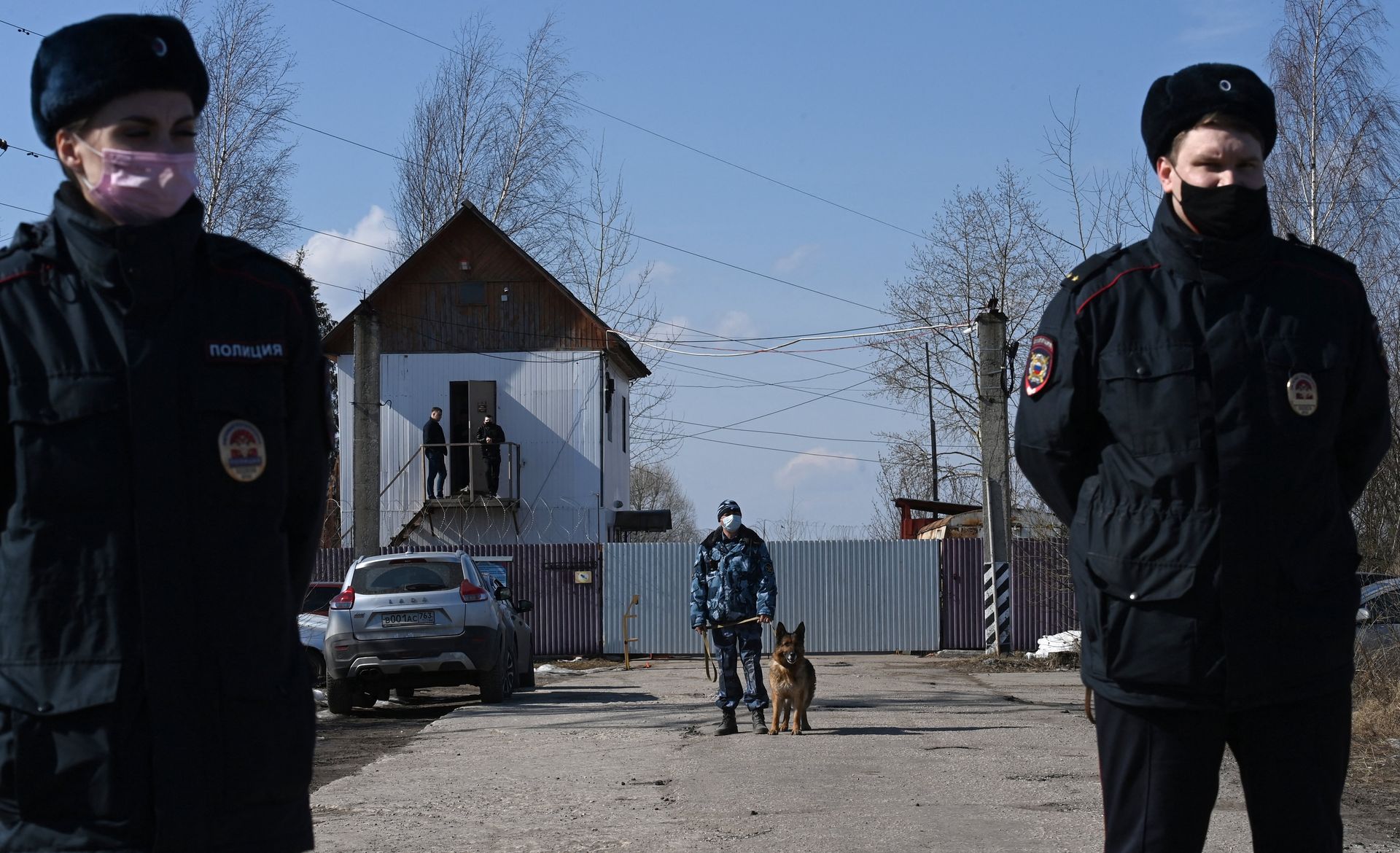
The Russian opposition group helping find Ukrainian civilians captured by Russia
#Russian opposition #Ukrainian civilians #captured #human rights #intelligence #conflict #dissent #solidarity
📌 Key Takeaways
- A Russian opposition group is actively assisting in locating Ukrainian civilians captured by Russia.
- The group operates despite risks, highlighting internal dissent against Russian actions in Ukraine.
- Their efforts involve gathering and sharing intelligence on detainee locations and conditions.
- This initiative underscores cross-border solidarity and challenges official narratives about the conflict.
📖 Full Retelling
🏷️ Themes
War Crimes, Human Rights
📚 Related People & Topics

Opposition to Vladimir Putin in Russia
Movement aiming to remove Vladimir Putin from his offices
Opposition to the government of President Vladimir Putin in Russia, commonly referred to as the Russian opposition, can be divided between the parliamentary opposition parties in the State Duma and the various non-systemic opposition organizations. While the former are largely viewed as being more o...
Russian (comics)
Comics character
The Russian (Ivan Vassilovitch Dragovsky; Russian: Иван Васильевич Драговский) is a supervillain appearing in American comic books published by Marvel Comics. He is an enemy of the Punisher and Spider-Man. Kevin Nash portrayed the character in the 2004 film The Punisher while Billy Clements portraye...
Entity Intersection Graph
No entity connections available yet for this article.
Mentioned Entities
Deep Analysis
Why It Matters
This news highlights how Russian opposition groups are actively assisting Ukraine in locating civilians captured by Russian forces, revealing internal dissent within Russia against the war. It matters because it shows cross-border humanitarian cooperation that challenges the Kremlin's narrative and provides crucial support to affected Ukrainian families. The involvement of Russian citizens in such efforts could lead to increased repression by Russian authorities while offering hope to those seeking accountability for war crimes.
Context & Background
- Russia's full-scale invasion of Ukraine began in February 2022, leading to widespread allegations of war crimes including civilian abductions
- International organizations have documented thousands of cases of Ukrainian civilians being forcibly taken to Russian-controlled territories
- Russian opposition groups have faced severe crackdowns since the invasion, with many activists imprisoned or forced into exile
- Previous reports have shown Russian volunteers fighting alongside Ukrainian forces and providing intelligence assistance
What Happens Next
Increased efforts by Russian authorities to identify and prosecute opposition members involved in these activities, likely within weeks. Continued documentation of civilian abductions may lead to additional international war crimes investigations. The opposition group may expand its network or face operational challenges as Russian security services intensify surveillance.
Frequently Asked Questions
They typically use open-source intelligence, communication with local contacts in occupied territories, and coordination with Ukrainian human rights organizations. Some may have access to leaked documents or insider information from sympathetic sources within Russian institutions.
The Kremlin typically labels these groups as 'foreign agents' or 'extremist organizations,' leading to criminal prosecution. Participants face charges of treason or undermining state security, with penalties including long prison sentences.
Their whereabouts are documented and shared with Ukrainian authorities and international organizations. This information can support prisoner exchange negotiations, family reunification efforts, and war crimes investigations, though actual recovery remains challenging.
Yes, there are significant risks as Russian forces may retaliate against families if they discover opposition involvement. Families in occupied territories face particular danger, potentially leading to further abductions or intimidation.
While representing a minority viewpoint, these groups demonstrate that not all Russians support the war. Their activities are mostly conducted from abroad due to severe domestic repression, but they maintain networks inside Russia.