
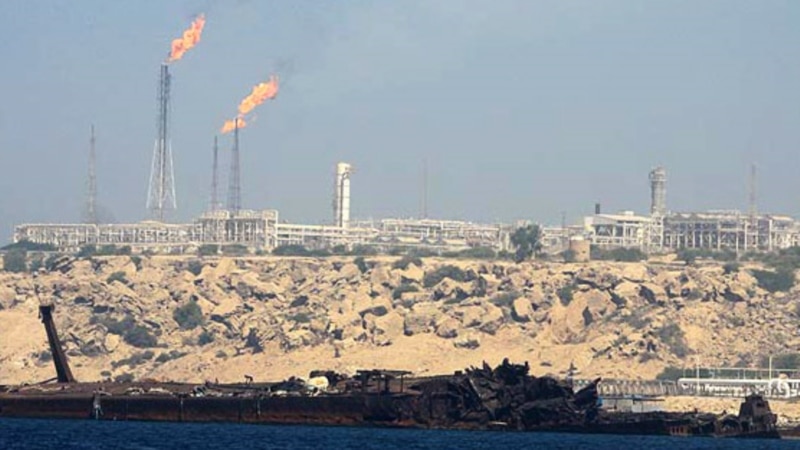
Trump Says US Blasts Kharg Island, Vows Navy Escorts To Begin 'Very Soon' In Strait Of Hormuz
#Trump #Kharg Island #Strait of Hormuz #US Navy #Iran #oil terminal #military escalation
📌 Key Takeaways
- President Trump announced US military strikes on Iran's Kharg Island oil terminal.
- He pledged to initiate US Navy escorts for commercial vessels in the Strait of Hormuz imminently.
- The actions are framed as a response to perceived Iranian threats to maritime security.
- The announcement escalates military tensions in a critical global oil shipping chokepoint.
📖 Full Retelling
🏷️ Themes
US-Iran Tensions, Maritime Security
Entity Intersection Graph
No entity connections available yet for this article.
Deep Analysis
Why It Matters
This news matters because it signals a significant escalation in US military involvement in the Persian Gulf, directly impacting global oil markets and regional stability. It affects international shipping companies, oil-dependent economies worldwide, and raises the risk of broader conflict involving Iran and its regional proxies. The announcement threatens to further destabilize an already tense region and could lead to retaliatory actions against US interests.
Context & Background
- The Strait of Hormuz is a critical chokepoint through which about 20-30% of the world's seaborne oil passes daily.
- Tensions between the US and Iran have been high since the US withdrawal from the JCPOA nuclear deal in 2018 and subsequent 'maximum pressure' sanctions campaign.
- Iran has previously threatened to close the Strait of Hormuz in response to sanctions, and has been accused of attacking tankers in the region.
- The US Navy has historically conducted freedom of navigation operations in the Strait, but formal escort programs represent an escalation.
- Kharg Island is Iran's main oil export terminal and a strategically vital economic asset.
What Happens Next
The US Navy will likely begin implementing escort operations for commercial vessels within days or weeks. Iran will probably respond with increased naval patrols and potential harassment of US ships. Oil prices may spike due to perceived supply risks. There is significant risk of accidental clashes escalating into broader conflict. International diplomatic efforts to de-escalate will intensify, particularly from European and regional powers.
Frequently Asked Questions
The Strait of Hormuz is the world's most important oil transit chokepoint, connecting Persian Gulf oil producers with global markets. Any disruption there would immediately impact global energy supplies and prices, making it a flashpoint for international conflict.
Kharg Island represents Iran's economic lifeline as its primary oil export facility. Striking it would severely damage Iran's economy and demonstrate US willingness to escalate militarily, though such action would dramatically increase conflict risks and likely draw international condemnation.
US allies like the UK may join escort missions, while China and Russia will likely condemn them as provocative. Regional Gulf states will face pressure to choose sides, with most quietly supporting US actions despite public neutrality to avoid Iranian retaliation.
Close naval proximity increases risks of miscalculation, with potential for minor incidents spiraling into broader conflict. Iran's asymmetric warfare capabilities, including speedboats and mines, could trigger disproportionate responses from US forces.
Oil prices will likely spike due to perceived supply risks, though the actual impact depends on whether disruptions occur. Markets have historically priced in 'risk premiums' during Hormuz tensions, affecting consumers and economies worldwide.