
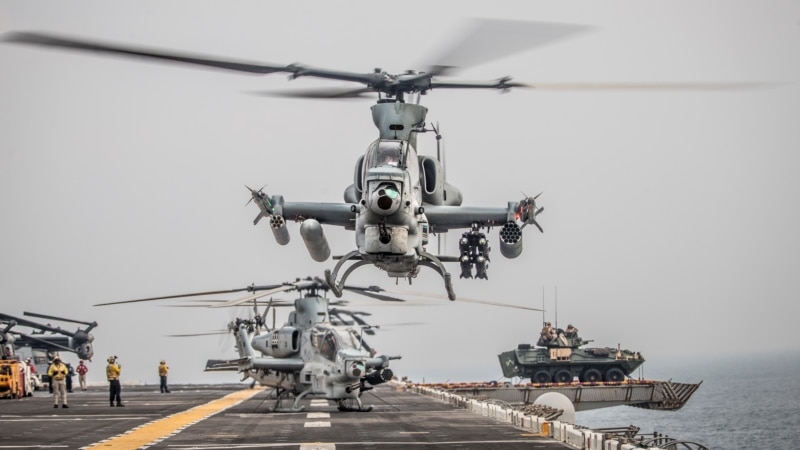
Trump Weighs Troop Deployments To Keep Middle East Options Open: Media Reports
#Trump #troop deployments #Middle East #military options #strategic flexibility #U.S. foreign policy #media reports
📌 Key Takeaways
- President Trump is considering deploying additional troops to the Middle East.
- The move aims to maintain strategic flexibility and options in the region.
- Media reports indicate the deployment is under active discussion.
- The decision reflects ongoing U.S. military engagement in the Middle East.
📖 Full Retelling
🏷️ Themes
Military Strategy, Middle East Policy
📚 Related People & Topics

Middle East
Transcontinental geopolitical region
The Middle East is a geopolitical region encompassing the Arabian Peninsula, Egypt, Iran, Iraq, the Levant, and Turkey. The term came into widespread usage by Western European nations in the early 20th century as a replacement of the term Near East (both were in contrast to the Far East). The term ...

Donald Trump
President of the United States (2017–2021; since 2025)
Donald John Trump (born June 14, 1946) is an American politician, media personality, and businessman who is the 47th president of the United States. A member of the Republican Party, he served as the 45th president from 2017 to 2021. Born into a wealthy New York City family, Trump graduated from the...
Entity Intersection Graph
Connections for Middle East:
Mentioned Entities
Deep Analysis
Why It Matters
This news matters because it signals potential shifts in U.S. military strategy in the Middle East, which could impact regional stability and global oil markets. It affects U.S. service members who may face new deployments, Middle Eastern nations that would host these troops, and geopolitical rivals like Iran and Russia. The decision reflects ongoing tensions in the region and could influence diplomatic negotiations, security partnerships, and conflict dynamics.
Context & Background
- The U.S. has maintained a significant military presence in the Middle East since the 1990s, with major deployments during the Gulf War, Iraq War, and Afghanistan War.
- Recent years have seen fluctuating troop levels, including drawdowns under both the Obama and Trump administrations, followed by temporary increases during crises.
- The region remains volatile due to ongoing conflicts in Syria and Yemen, tensions with Iran, and the persistent threat of terrorist groups like ISIS.
What Happens Next
If reports are accurate, the Pentagon may soon announce specific troop movements or deployment orders. Regional allies like Saudi Arabia or the UAE could be approached to host additional forces. Diplomatic reactions from Iran, Russia, and other stakeholders are likely, potentially escalating verbal or military posturing in the coming weeks.
Frequently Asked Questions
Possible reasons include deterring Iranian aggression, securing oil infrastructure, or preparing for contingency operations amid regional instability. It may also be a strategic move to maintain leverage in diplomatic negotiations.
Likely candidates include Saudi Arabia, the United Arab Emirates, Qatar, or Bahrain, which already host U.S. bases. Iraq or Syria could see adjustments to existing deployments, though political sensitivities may limit options.
Iran could escalate proxy attacks through groups in Iraq, Syria, or Yemen, or accelerate its nuclear program. Diplomatic channels might be used to protest, while military exercises or missile tests could signal readiness.
Risks include provoking retaliatory attacks, straining alliances with host nations, and entangling the U.S. in new conflicts. It could also divert resources from other strategic priorities, like competition with China.