
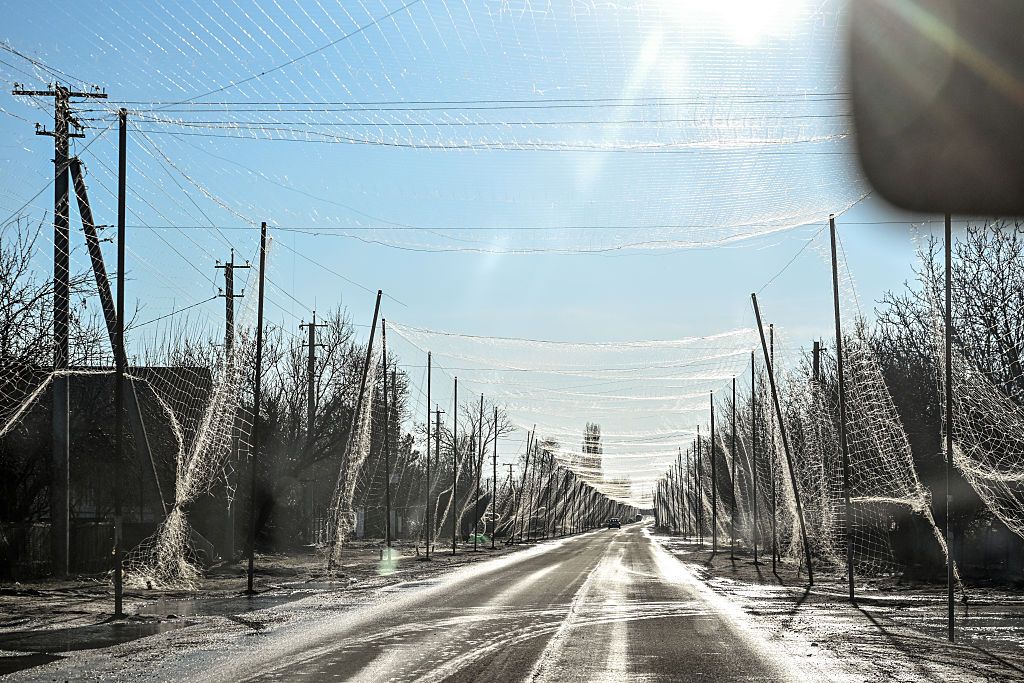
Ukraine plans anti-drone protection for 600 kilometers of front-line roads
#Ukraine #anti-drone protection #front-line roads #security #drone attacks #conflict #transport routes
📌 Key Takeaways
- Ukraine is implementing anti-drone protection along 600 kilometers of front-line roads.
- The measure aims to enhance security for military and civilian transport routes.
- This initiative addresses the increasing threat of drone attacks in conflict zones.
- The protection is part of broader defensive strategies in the ongoing conflict.
📖 Full Retelling
🏷️ Themes
Military Defense, Infrastructure Security
Entity Intersection Graph
No entity connections available yet for this article.
Deep Analysis
Why It Matters
This development is crucial because it addresses a critical vulnerability in Ukraine's military logistics and troop movements along the 1,000-kilometer front line. Russian drone attacks have increasingly targeted supply routes, causing significant casualties and disrupting ammunition and equipment deliveries. The protection of these roads directly impacts frontline soldiers' safety and Ukraine's ability to sustain defensive and offensive operations. This infrastructure investment affects military commanders, logistics personnel, and ultimately every Ukrainian soldier depending on these supply lines for survival and combat effectiveness.
Context & Background
- Ukraine has been engaged in a full-scale war with Russia since February 2022, with front lines stretching approximately 1,000 kilometers across eastern and southern Ukraine
- Russian forces have increasingly utilized drones (both surveillance and attack variants) to target Ukrainian military convoys, supply depots, and transportation infrastructure throughout 2023-2024
- Previous Ukrainian efforts at road protection have included camouflage netting, smoke screens, and electronic warfare systems, but these have proven insufficient against evolving drone threats
- The United States and European allies have provided Ukraine with various air defense systems, though most are prioritized for protecting cities and critical infrastructure rather than frontline roads
What Happens Next
Ukraine will likely begin implementing this protection in phases, starting with the most vulnerable supply routes near key battle zones like Avdiivka and Kherson. Military engineers will need to source materials and deploy specialized units along the 600-kilometer stretch, a process that could take several months. Expect increased testing of these protections against actual Russian drone attacks within 2-3 months, with adjustments made based on effectiveness. The success or failure of this initiative will influence future Western military aid decisions regarding drone defense systems.
Frequently Asked Questions
Ukraine will likely deploy a combination of electronic warfare systems to jam drone signals, netting or physical barriers to intercept drones, and possibly directed energy weapons. These systems will need to be mobile or quickly deployable to adapt to changing front-line conditions and Russian tactics.
Front-line roads are exposed with limited natural cover, making vehicles easy targets for drone operators. Russian forces have developed sophisticated drone surveillance networks that can spot movement along these routes, then coordinate attacks using first-person view (FPV) drones that are cheap and difficult to detect with traditional air defenses.
Protected roads will significantly improve Ukraine's ability to move troops and equipment safely, enabling more rapid repositioning and sustained offensive operations. This could allow Ukrainian forces to concentrate forces more effectively and maintain momentum during assaults, rather than being constrained by vulnerable supply lines.
The primary challenges include the enormous scale (600 kilometers), maintaining protection while allowing military traffic to flow efficiently, and adapting to evolving Russian drone technology. Ukraine must also balance this infrastructure investment with other pressing military needs amid limited resources.
While the immediate focus is military roads, successful systems might later be adapted for protecting critical civilian infrastructure like power plants and bridges. However, civilian applications would require different configurations and likely come after frontline needs are addressed.