
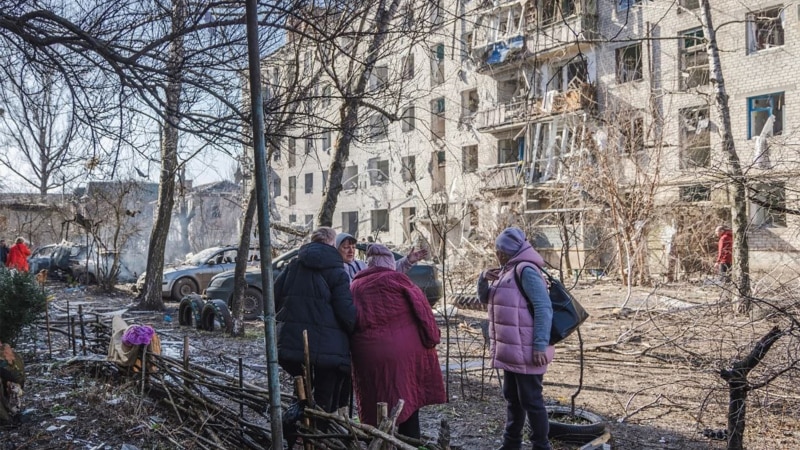
Ukraine, Russia Report Civilian Casualties; US-Brokered Talks May Resume Next Week
#Ukraine #Russia #civilian casualties #US-brokered talks #diplomacy #conflict #negotiations
📌 Key Takeaways
- Ukraine and Russia both report civilian casualties in ongoing conflict
- US-brokered talks between Ukraine and Russia may resume next week
- Diplomatic efforts continue amid escalating violence
- Civilian impact remains a central concern in the conflict
📖 Full Retelling
🏷️ Themes
Ukraine-Russia conflict, Diplomatic negotiations
📚 Related People & Topics

Russia
Country in Eastern Europe and North Asia
Russia, or the Russian Federation, is a country in Eastern Europe and North Asia. It is the largest country in the world, spanning eleven time zones and sharing land borders with fourteen countries. With a population of over 140 million, Russia is the most populous country in Europe and the ninth-mo...

Ukraine
Country in Eastern Europe
# Ukraine **Ukraine** is a country located in Eastern Europe. It is the second-largest country in Europe by area, after Russia. Known for its extensive fertile plains, the nation serves as a critical global exporter of grain and is considered a middle power in international affairs. ## Geography a...
Entity Intersection Graph
Connections for Russia:
Mentioned Entities
Deep Analysis
Why It Matters
This news matters because it highlights the ongoing human cost of the Russia-Ukraine conflict, with civilian casualties indicating continued hostilities despite diplomatic efforts. It affects Ukrainian and Russian civilians caught in the conflict, international diplomatic communities, and global security stakeholders. The potential resumption of US-brokered talks represents a critical juncture for potential de-escalation or continued conflict, impacting European stability and international relations.
Context & Background
- The Russia-Ukraine conflict began with Russia's annexation of Crimea in 2014 and escalated into full-scale invasion in February 2022
- Previous peace talks have occurred intermittently since 2022, including in Belarus and Turkey, with limited success in achieving lasting ceasefires
- The United States has served as a key mediator and military supporter for Ukraine throughout the conflict, providing over $75 billion in aid
- Civilian casualties have been a persistent issue throughout the conflict, with UN reporting over 10,000 civilian deaths as of early 2023
What Happens Next
US-brokered talks are expected to resume next week, potentially focusing on prisoner exchanges, humanitarian corridors, or temporary ceasefires. Diplomatic efforts will likely continue alongside military operations, with outcomes influencing future Western aid packages to Ukraine. The coming weeks may see increased diplomatic activity at UN and NATO forums regarding the conflict.
Frequently Asked Questions
Military operations often continue during diplomatic negotiations as both sides seek battlefield advantages to strengthen their bargaining positions. The reported casualties suggest ongoing combat operations in contested areas despite diplomatic outreach efforts.
The US serves as both a mediator and Ukraine's primary military supporter, creating a complex dual role. American diplomats leverage relationships with both sides while coordinating with European allies to maintain pressure on Russia through sanctions.
Previous negotiations have achieved limited humanitarian agreements but failed to resolve core territorial disputes. Talks have been characterized by intermittent progress followed by breakdowns when military situations change or political conditions shift.
Primary obstacles include disagreement over territorial control of occupied regions, security guarantees for Ukraine, and Russia's political demands. Both sides have fundamentally different visions for Ukraine's future alignment and sovereignty.
Civilian casualties increase international pressure for humanitarian interventions while potentially hardening negotiating positions. They can motivate third-party countries to push more aggressively for ceasefires or complicate talks by fueling public anger.