
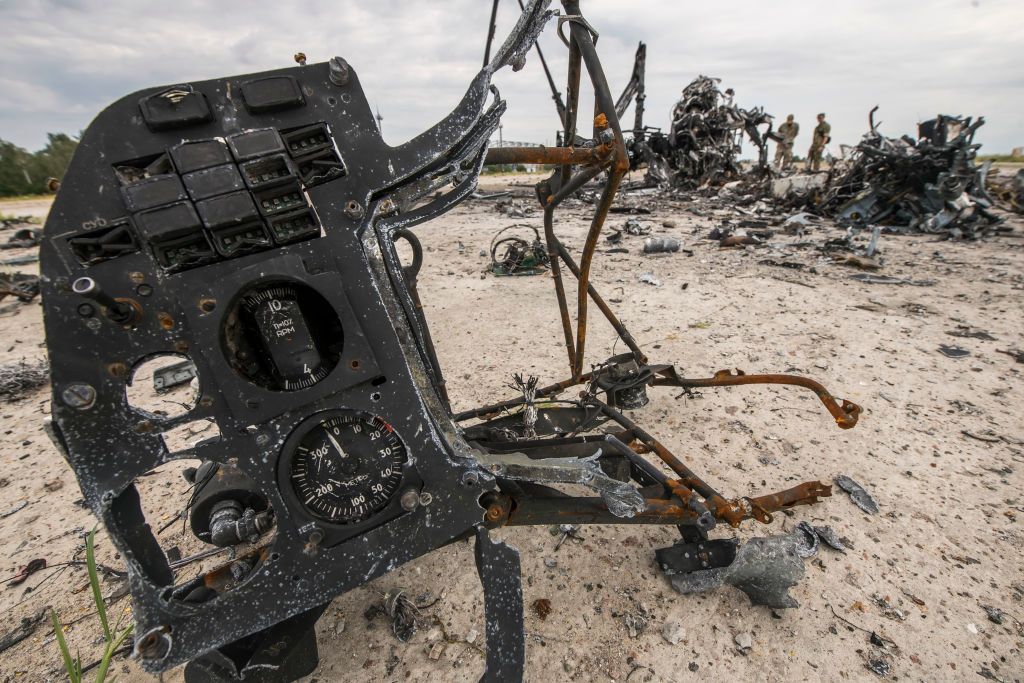
Ukraine war latest: Russian helicopter shot down by Ukrainian FPV drone in Donetsk Oblast
#Ukraine #Russia #helicopter #FPV drone #Donetsk #war #combat #aerial
📌 Key Takeaways
- Ukrainian forces downed a Russian helicopter using an FPV drone in Donetsk Oblast
- The incident highlights Ukraine's increasing use of drone technology in combat
- The attack occurred amid ongoing fighting in eastern Ukraine
- This event demonstrates a shift in battlefield tactics against aerial threats
📖 Full Retelling
🏷️ Themes
Military Technology, Ukraine Conflict
📚 Related People & Topics

Donetsk Oblast
Administrative division of Ukraine
Donetsk Oblast, also called Donechchyna (Ukrainian: Донеччина, IPA: [doˈnɛtʃːɪnɐ]), is an oblast in the Donbas region of eastern Ukraine. About three-fourths (75%) of it is occupied by Russia. Before the Russo-Ukrainian War, it was Ukraine's most populous province, with around 4.1 million residents.
Entity Intersection Graph
Connections for Donetsk Oblast:
Mentioned Entities
Deep Analysis
Why It Matters
This event demonstrates Ukraine's evolving asymmetric warfare capabilities against Russia's conventional military assets, potentially altering battlefield dynamics in contested regions. It affects Ukrainian military strategy by validating low-cost drone tactics against high-value targets, impacts Russian aviation operations by increasing vulnerability, and influences international military observers studying modern warfare evolution. The psychological effect on both forces could shift morale and tactical approaches in the ongoing conflict.
Context & Background
- FPV (First Person View) drones have become increasingly significant in the Ukraine war since 2022, used for reconnaissance and precision strikes
- Russia has maintained air superiority in certain sectors, making helicopter losses particularly impactful on their close air support capabilities
- Donetsk Oblast has been a primary frontline region since 2014, with intense fighting since Russia's full-scale invasion in February 2022
- Ukraine has developed domestic drone production capabilities to counter Russian advantages in traditional military hardware
- Previous successful drone strikes have targeted tanks, armored vehicles, and artillery, but helicopters represent higher-value, more challenging targets
What Happens Next
Russian forces will likely adjust helicopter flight patterns and implement additional counter-drone measures in the coming weeks. Ukraine may intensify FPV drone production and develop specialized anti-aircraft drone units. International military analysts will study this engagement for insights into future air defense systems. Expect increased electronic warfare deployments as both sides adapt to this demonstrated vulnerability.
Frequently Asked Questions
FPV drones offer low-cost precision strikes with first-person camera guidance, allowing operators to navigate complex environments and target vulnerable points on aircraft. Their small size and maneuverability make them difficult to detect and intercept compared to traditional anti-aircraft systems.
Helicopter losses are strategically significant as they represent high-value assets costing millions of dollars with trained crews that are difficult to replace. Each loss reduces Russia's close air support and troop transport capabilities, forcing operational adjustments across the front.
Yes, Russia will likely increase altitude operations, implement more unpredictable flight patterns, and deploy additional electronic warfare systems to counter drone threats. They may also accelerate development of their own counter-drone technologies and tactics.
This success validates Ukraine's asymmetric warfare approach using affordable technology against expensive Russian equipment. It will likely lead to increased investment in drone programs and development of specialized anti-aircraft drone units to target more high-value aviation assets.
Military analysts worldwide will study this engagement as evidence that inexpensive drones can threaten sophisticated aircraft, potentially reshaping air defense doctrines. This could accelerate development of counter-drone systems and influence future aircraft design for enhanced survivability against drone threats.