
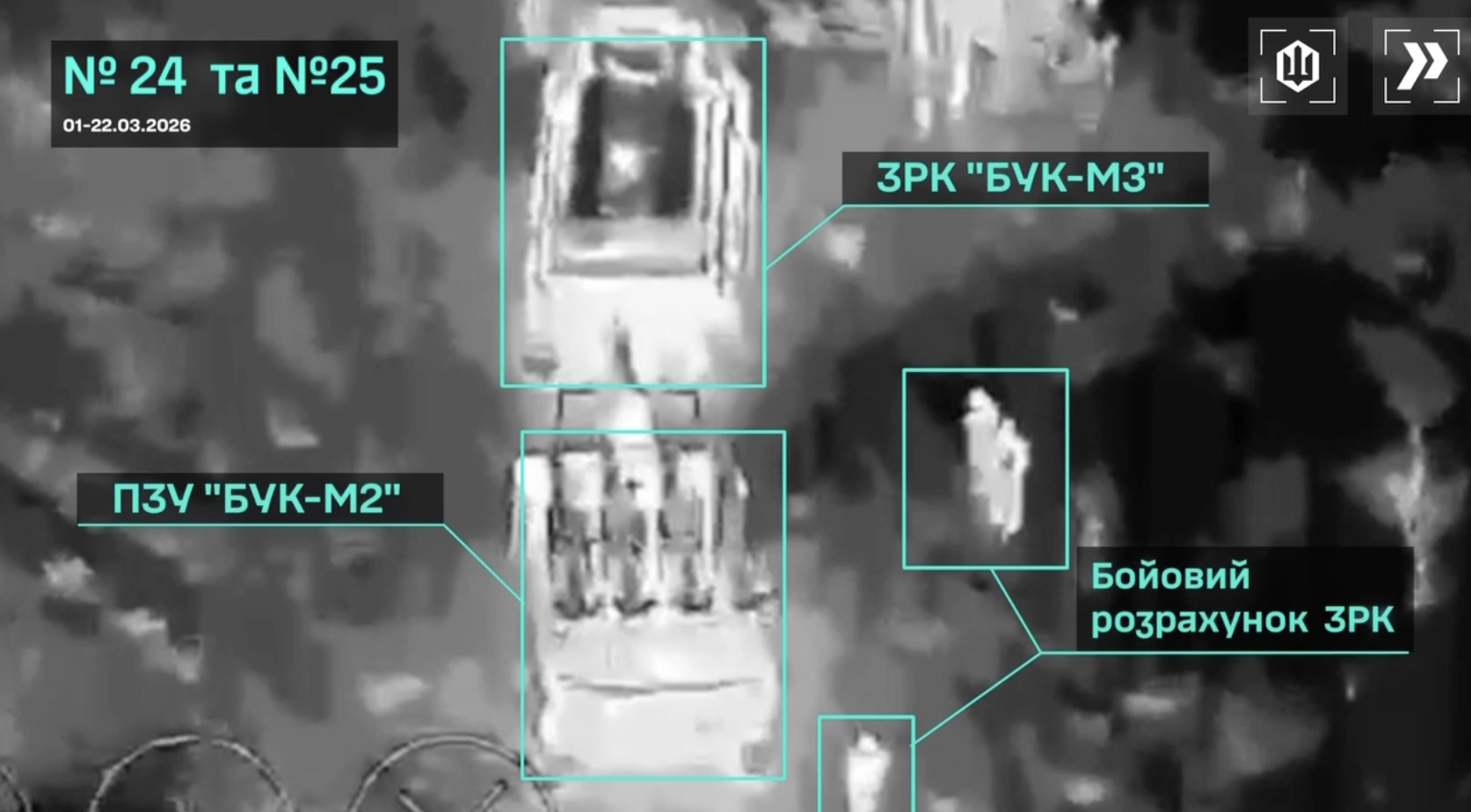
Ukraine war latest: Ukraine destroys Russian Buk air defenses in flurry of strikes, military says
#Ukraine #Russia #Buk air defense #military strikes #war update #combat operations #tactical success
📌 Key Takeaways
- Ukraine's military reports destroying Russian Buk air defense systems in recent strikes.
- The strikes are part of a broader flurry of Ukrainian offensive actions.
- The incident highlights ongoing combat operations in the Ukraine war.
- The report comes from Ukrainian military sources, indicating a claim of tactical success.
📖 Full Retelling
🏷️ Themes
Military Strikes, Air Defense
Entity Intersection Graph
No entity connections available yet for this article.
Deep Analysis
Why It Matters
This development matters because it demonstrates Ukraine's continued ability to conduct offensive operations against Russian air defense systems, which are critical for protecting Russian ground forces and aircraft. The destruction of Buk systems specifically weakens Russia's medium-range air defense capabilities, potentially creating safer corridors for Ukrainian drones and aircraft. This affects frontline dynamics by potentially shifting air superiority and impacts civilians by reducing Russia's ability to intercept Ukrainian strikes. Military analysts will study these tactics for insights into modern electronic warfare and precision strike capabilities.
Context & Background
- The Buk missile system (NATO designation SA-11/SA-17) is a Russian-made medium-range surface-to-air system capable of engaging aircraft, helicopters, drones, and cruise missiles at ranges up to 50 km.
- Ukraine has previously captured and studied Buk systems, including using components to develop their own air defense capabilities and understand vulnerabilities.
- Recent months have seen increased Ukrainian strikes against Russian air defense assets using Western-supplied weapons like HIMARS and domestically-developed drones.
- Russia has relied heavily on layered air defense systems including Buk, S-300, and S-400 to protect occupied territories and frontline positions.
- The destruction of air defense systems follows Ukraine's successful campaign against Russian naval assets in the Black Sea using similar precision strike tactics.
What Happens Next
Russia will likely attempt to replace destroyed systems and reposition remaining air defenses, potentially creating gaps in coverage that Ukraine could exploit. Ukraine may intensify similar strikes ahead of expected F-16 fighter jet deliveries to weaken integrated air defenses. Military analysts will monitor whether this represents a new coordinated Ukrainian strategy targeting air defense networks systematically. Russia may retaliate with increased missile and drone attacks on Ukrainian infrastructure in response to these losses.
Frequently Asked Questions
The Buk is a mobile, medium-range surface-to-air missile system used by Russian forces to protect ground troops and intercept aircraft. Its destruction matters because it degrades Russia's ability to defend against Ukrainian air attacks and creates vulnerabilities in their defensive networks.
Ukraine likely uses intelligence from Western partners, electronic warfare to detect systems, and precision weapons like HIMARS rockets or drones to strike them. They may also exploit operational patterns or maintenance cycles when systems are more vulnerable.
Not yet, but systematically degrading Russian air defenses is a necessary step toward achieving localized air superiority. Each destroyed system makes it safer for Ukrainian aircraft and drones to operate, but Russia still maintains extensive air defense networks.
Potentially yes—reduced Russian air defense capability could allow more Ukrainian strikes on military targets, but might also lead to Russian retaliation against civilian infrastructure. Civilians in occupied territories may see increased military activity.
Russia will likely redeploy systems from other areas, attempt to repair damaged units, and increase electronic warfare measures. They may also intensify attacks on Ukrainian air defense systems and infrastructure in retaliation.