
Ukraine war latest: Ukraine's air defense downs 97% of Russian kamikaze drones in rare mass daytime strike
#Ukraine #air defense #kamikaze drones #daytime strike #Russian attack #drone interception #war update
📌 Key Takeaways
- Ukraine's air defense intercepted 97% of Russian kamikaze drones in a daytime attack
- The strike was notable for being a rare mass assault during daylight hours
- The incident highlights ongoing aerial warfare and Ukraine's defensive capabilities
- It underscores the continued intensity of drone-based attacks in the conflict
📖 Full Retelling
🏷️ Themes
Military Defense, Aerial Warfare
📚 Related People & Topics

Ukraine
Country in Eastern Europe
# Ukraine **Ukraine** is a country located in Eastern Europe. It is the second-largest country in Europe by area, after Russia. Known for its extensive fertile plains, the nation serves as a critical global exporter of grain and is considered a middle power in international affairs. ## Geography a...
Entity Intersection Graph
Connections for Ukraine:
Mentioned Entities
Deep Analysis
Why It Matters
This news matters because it demonstrates Ukraine's improving air defense capabilities against Russian drone attacks, which are a key component of Russia's strategy to overwhelm Ukrainian defenses and target critical infrastructure. The high interception rate during a rare daytime attack shows Ukraine's systems are becoming more effective, potentially forcing Russia to adapt its tactics. This affects Ukrainian civilians by reducing casualties and infrastructure damage, while also impacting military planners on both sides who must adjust their strategies based on defense effectiveness.
Context & Background
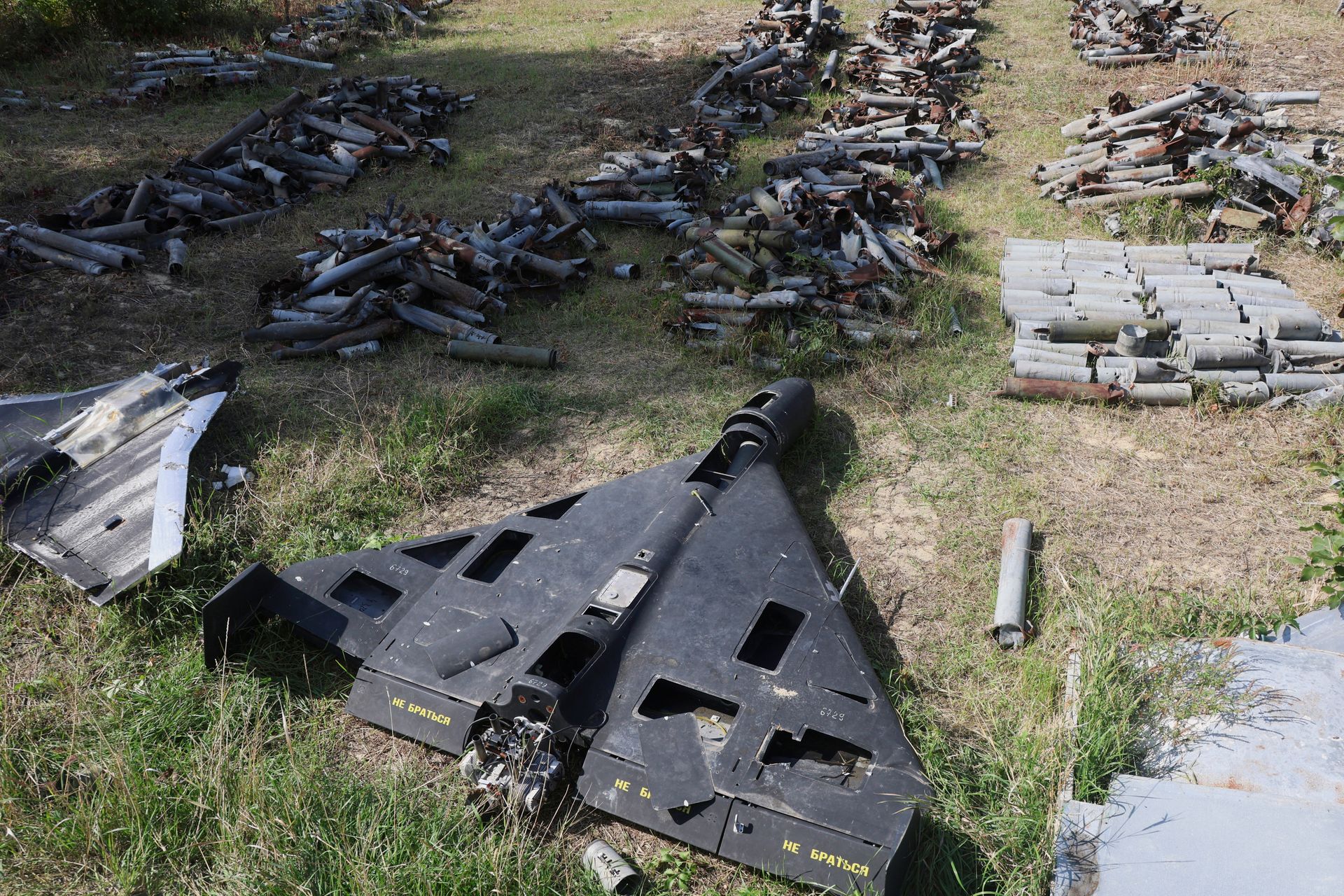
- Russia has increasingly used Iranian-made Shahed 'kamikaze' drones since fall 2022 as a cheaper alternative to missiles for attacking Ukrainian infrastructure
- Ukraine's air defense has evolved from limited capabilities early in the war to integrated systems combining Western-supplied equipment with Soviet-era systems
- Daytime mass drone attacks are unusual as Russia typically conducts such strikes at night to exploit reduced visibility for Ukrainian defenses
- The 97% interception rate represents one of the highest publicly reported success rates against Russian drone swarms to date
What Happens Next
Russia will likely analyze this failed attack to adjust drone tactics, possibly increasing electronic warfare countermeasures or changing attack patterns. Ukraine will seek to maintain this defensive effectiveness as it faces potential ammunition shortages for air defense systems. NATO countries may use this success to justify continued air defense support, with upcoming deliveries of additional systems like Patriots and NASAMS expected in coming months.
Frequently Asked Questions
Kamikaze drones, like Iran's Shahed models, are inexpensive unmanned aircraft designed to crash into targets with explosive payloads. Russia uses them because they're cheaper than missiles, can be launched in swarms to overwhelm defenses, and allow attacks without risking pilots or expensive aircraft.
Daytime attacks are unusual because drones are more visible and vulnerable to visual detection and targeting. Russia typically conducts mass drone strikes at night when darkness provides cover, making this daytime attempt particularly noteworthy and suggesting possible tactical experimentation.
Ukraine employs a layered defense including Western systems like Gepard anti-aircraft tanks, NASAMS, and Patriots, along with Soviet-era systems and mobile units with machine guns. Electronic warfare systems that disrupt drone navigation have also become increasingly important in countering these threats.
The 97% rate is exceptionally high compared to typical interception rates that often range from 70-90%. Earlier in the war, Ukraine struggled with much lower interception rates before receiving Western air defense systems and developing better tactics against drone swarms.
Despite high interception rates, Ukraine faces ammunition shortages, system maintenance challenges, and the risk of defense saturation if Russia launches overwhelming numbers of drones simultaneously. Some drones inevitably get through, and the cost of intercepting cheap drones with expensive missiles creates economic pressure.