
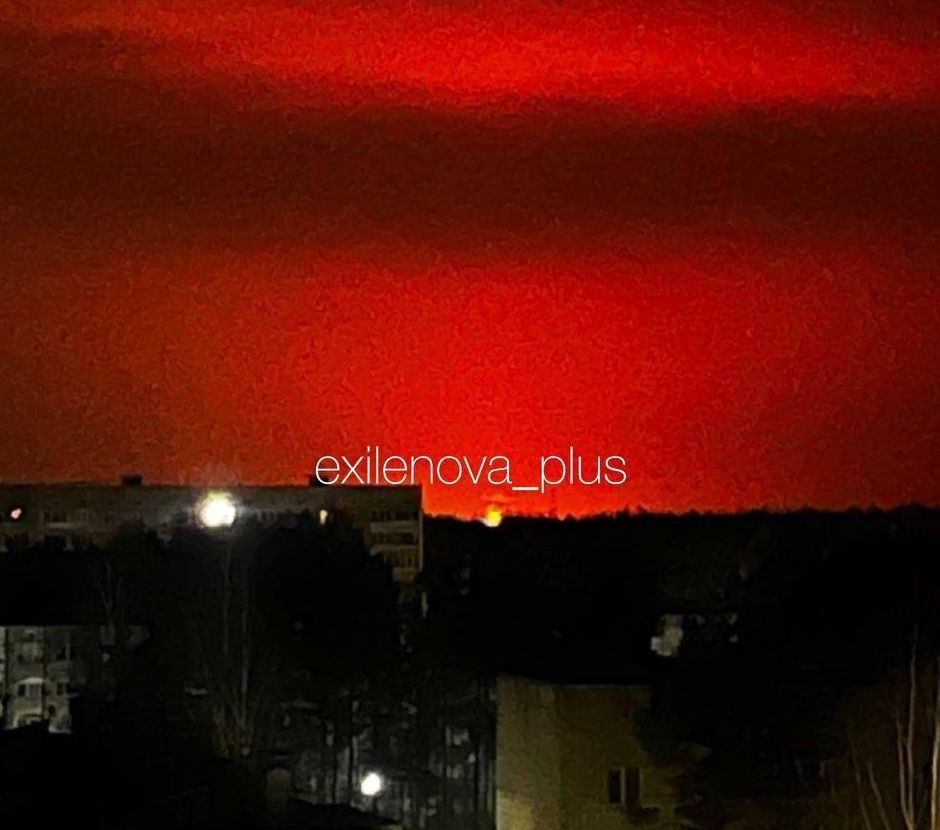
Ukrainian drones attack major oil and gas facilities in Russia's Leningrad Oblast for second night in row
#Ukraine #Russia #drones #oil facilities #gas facilities #Leningrad Oblast #energy infrastructure #attack
📌 Key Takeaways
- Ukrainian drones targeted major oil and gas facilities in Russia's Leningrad Oblast for a second consecutive night.
- The attacks highlight Ukraine's ongoing strategy of striking Russian energy infrastructure.
- The incidents occurred in a region critical to Russia's energy exports and supply chains.
- This marks an escalation in cross-border drone operations amid the ongoing conflict.
📖 Full Retelling
🏷️ Themes
Military Conflict, Energy Security
📚 Related People & Topics

Russia
Country in Eastern Europe and North Asia
Russia, or the Russian Federation, is a country in Eastern Europe and North Asia. It is the largest country in the world, spanning eleven time zones and sharing land borders with fourteen countries. With a population of over 140 million, Russia is the most populous country in Europe and the ninth-mo...

Leningrad Oblast
First-level administrative division of Russia
Leningrad Oblast (Russian: Ленинградская область, romanized: Leningradskaya oblastʹ, IPA: [lʲɪnʲɪnˈgratskəjə ˈobləsʲtʲ]; Veps: Leningradan agj; Finnish: Leningradin alue) is a federal subject of Russia (an oblast). The oblast has an area of 84,500 square kilometres (32,600 sq mi) and a population of...

Ukraine
Country in Eastern Europe
# Ukraine **Ukraine** is a country located in Eastern Europe. It is the second-largest country in Europe by area, after Russia. Known for its extensive fertile plains, the nation serves as a critical global exporter of grain and is considered a middle power in international affairs. ## Geography a...
Entity Intersection Graph
Connections for Russia:
Mentioned Entities
Deep Analysis
Why It Matters
This attack represents a significant escalation in Ukraine's ability to strike deep within Russian territory, targeting critical energy infrastructure that fuels Russia's economy and war machine. It demonstrates Ukraine's growing drone capabilities and willingness to take the conflict directly to Russian soil, potentially disrupting Russia's oil exports and domestic energy supplies. The attacks affect global energy markets, European security calculations, and Russia's military logistics, while signaling to Moscow that Ukrainian forces can reach strategic targets far from the front lines.
Context & Background
- Ukraine has been developing long-range drone capabilities since 2022 to compensate for limited missile stocks and strike Russian military-industrial targets
- Previous Ukrainian drone attacks have targeted oil depots, refineries, and military bases in Russian border regions and deeper territories like Tatarstan
- Russia's Leningrad Oblast contains major Baltic Sea ports and energy facilities crucial for Russia's oil and gas exports to Europe and global markets
- These attacks follow Ukraine's strategy of targeting Russia's economic infrastructure to reduce funding for its war effort and demonstrate resilience
- The attacks occur amid stalled Ukrainian counteroffensives and debates about Western military aid, showing Ukraine's alternative pressure methods
What Happens Next
Russia will likely enhance air defenses around critical energy infrastructure and may retaliate with escalated strikes on Ukrainian energy targets. International oil markets may see price volatility as traders assess disruption risks to Russian exports. NATO members will debate further air defense support for Ukraine while monitoring potential escalation risks. Ukrainian forces will probably continue similar attacks, possibly expanding to other strategic Russian regions, as part of their asymmetric warfare strategy.
Frequently Asked Questions
Ukraine targets these facilities because they generate significant revenue for Russia's war effort and are critical to military logistics. Damaging this infrastructure reduces Russia's economic capacity to sustain prolonged conflict while demonstrating Ukraine's ability to strike strategic targets.
Leningrad Oblast contains major Baltic Sea ports like Ust-Luga that handle approximately 10% of Russia's oil exports. The region's facilities process and export oil products to global markets, making them economically vital targets with international implications.
This represents an escalation in Ukraine's capacity to project force deep into Russian territory, potentially changing conflict dynamics. It shows Ukraine's shift toward asymmetric warfare targeting Russia's economic foundations rather than just frontline military positions.
Russia has typically responded with increased air defenses, retaliatory strikes on Ukrainian infrastructure, and accusations of Western involvement. Moscow often downplays damage while strengthening protection of critical facilities and pursuing diplomatic complaints.
These attacks risk escalating the conflict beyond Ukraine's borders and could affect global energy supplies. They may influence Western military aid decisions and trigger debates about escalation management while testing Russia's strategic vulnerability.