
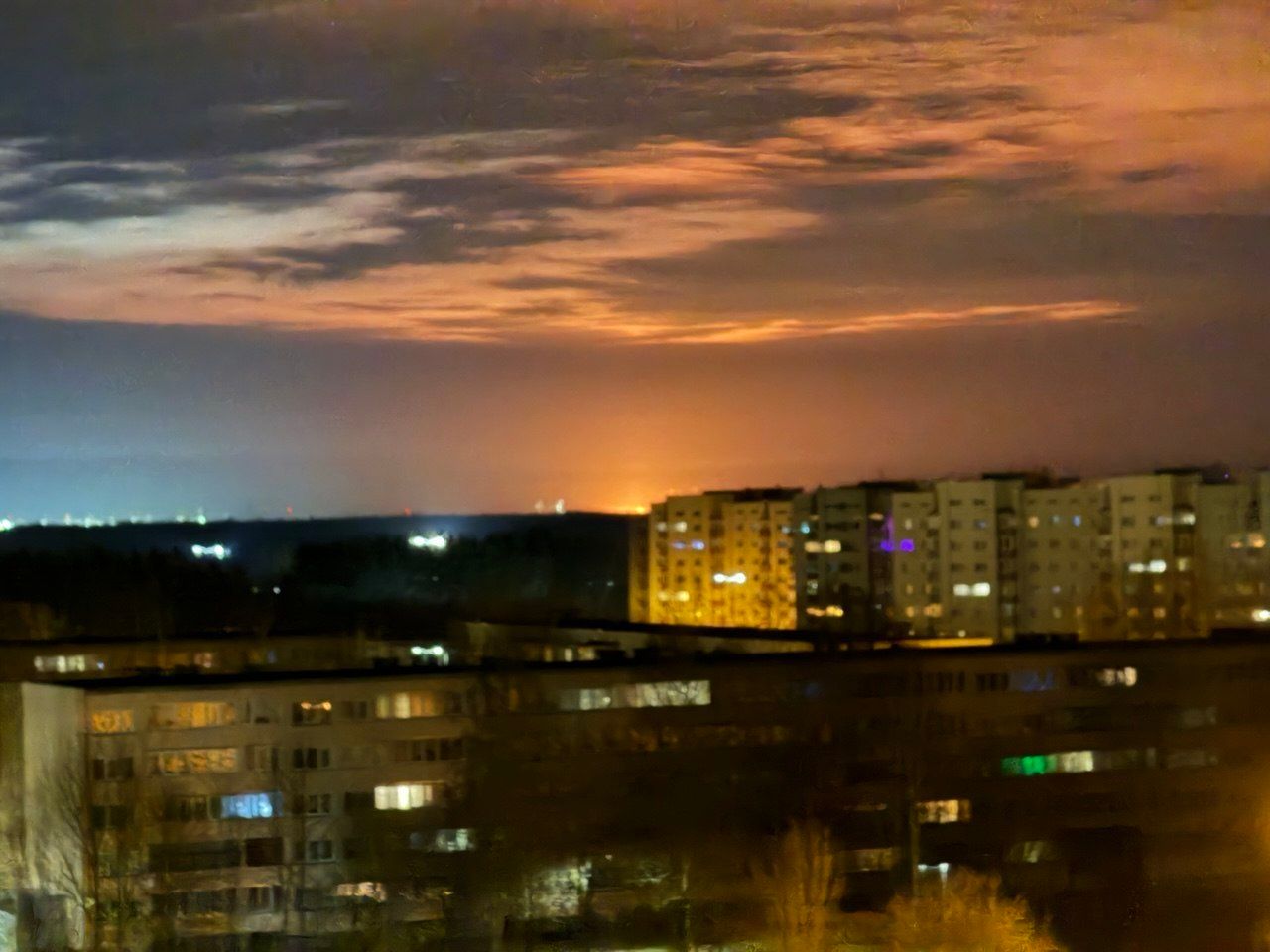
Ukrainian drones reportedly strike oil terminals in Russia's Leningrad Oblast in third straight night of attacks
#Ukraine #Russia #drones #oil terminals #Leningrad Oblast #attacks #energy infrastructure
📌 Key Takeaways
- Ukrainian drones attacked oil terminals in Russia's Leningrad Oblast
- This marks the third consecutive night of such strikes
- The attacks target Russian energy infrastructure
- The incidents reflect ongoing cross-border military operations
📖 Full Retelling
🏷️ Themes
Military Conflict, Energy Security
📚 Related People & Topics

Russia
Country in Eastern Europe and North Asia
Russia, or the Russian Federation, is a country in Eastern Europe and North Asia. It is the largest country in the world, spanning eleven time zones and sharing land borders with fourteen countries. With a population of over 140 million, Russia is the most populous country in Europe and the ninth-mo...

Leningrad Oblast
First-level administrative division of Russia
Leningrad Oblast (Russian: Ленинградская область, romanized: Leningradskaya oblastʹ, IPA: [lʲɪnʲɪnˈgratskəjə ˈobləsʲtʲ]; Veps: Leningradan agj; Finnish: Leningradin alue) is a federal subject of Russia (an oblast). The oblast has an area of 84,500 square kilometres (32,600 sq mi) and a population of...

Ukraine
Country in Eastern Europe
# Ukraine **Ukraine** is a country located in Eastern Europe. It is the second-largest country in Europe by area, after Russia. Known for its extensive fertile plains, the nation serves as a critical global exporter of grain and is considered a middle power in international affairs. ## Geography a...
Entity Intersection Graph
Connections for Russia:
Mentioned Entities
Deep Analysis
Why It Matters
This attack demonstrates Ukraine's expanding ability to strike deep inside Russian territory, targeting critical energy infrastructure that fuels Russia's war economy. It affects global energy markets by potentially disrupting Russian oil exports, impacts Russian military logistics by damaging fuel supplies, and represents an escalation in Ukraine's strategy to weaken Russia's economic and military capabilities. The strikes also signal Ukraine's growing drone warfare capabilities and willingness to take the conflict directly to Russian soil.
Context & Background
- Ukraine has increasingly targeted Russian energy infrastructure since early 2024, including refineries, oil terminals, and storage facilities across multiple Russian regions
- Leningrad Oblast contains major Russian ports on the Baltic Sea including Ust-Luga and Primorsk, which handle significant volumes of Russian oil exports to global markets
- These attacks follow Ukraine's development of long-range drones capable of reaching targets up to 1,200 km from Ukrainian territory
- Russia has previously responded to such attacks with retaliatory strikes on Ukrainian energy infrastructure and civilian targets
- The Baltic Sea region has strategic importance for NATO, with Finland and Sweden recently joining the alliance, increasing regional tensions
What Happens Next
Russia will likely enhance air defenses around critical energy infrastructure and may conduct retaliatory strikes on Ukrainian energy facilities. International oil markets may see price volatility if attacks continue disrupting Russian exports. NATO members bordering the Baltic Sea may increase surveillance and defensive measures. Ukraine will probably continue these deep-strike operations while developing even longer-range capabilities. The attacks could influence upcoming international discussions about further sanctions on Russian energy exports.
Frequently Asked Questions
Ukraine targets oil terminals to disrupt Russia's ability to export oil, which provides crucial revenue for its war effort. These facilities are also strategic because damaging them affects both military fuel supplies and Russia's broader economy. Successful attacks demonstrate Ukraine's capacity to strike valuable targets deep behind enemy lines.
Leningrad Oblast contains major Baltic Sea ports like Ust-Luga that handle approximately 1.5 million barrels of oil daily. These ports are crucial for Russia's exports to European and global markets. Attacks here directly impact Russia's primary source of foreign currency earnings.
Consecutive nightly attacks suggest a coordinated campaign rather than isolated incidents, showing Ukraine's sustained capability to penetrate Russian air defenses. This pattern indicates systematic targeting of energy infrastructure and demonstrates Ukraine's evolving drone warfare tactics. The persistence suggests Ukraine has established reliable supply chains for these long-range operations.
Russia will likely intensify air defenses around critical infrastructure and may conduct retaliatory missile strikes on Ukrainian energy facilities. Moscow could also attempt to disrupt Ukraine's drone production capabilities or launch cyber attacks. Russia might use these incidents to justify further mobilization or escalation in Ukraine.
The attacks could affect global oil prices and energy security, particularly for European nations still importing Russian oil. They may influence discussions about further sanctions on Russian energy exports. NATO members in the Baltic region may increase defensive measures due to proximity to the conflict zone.
Ukrainian drones have proven surprisingly effective despite Russian air defenses, often using low-altitude approaches and swarm tactics. While many drones are intercepted, enough penetrate defenses to cause significant damage. The cost-effectiveness of drones compared to traditional missiles makes them attractive for sustained campaigns against infrastructure.