
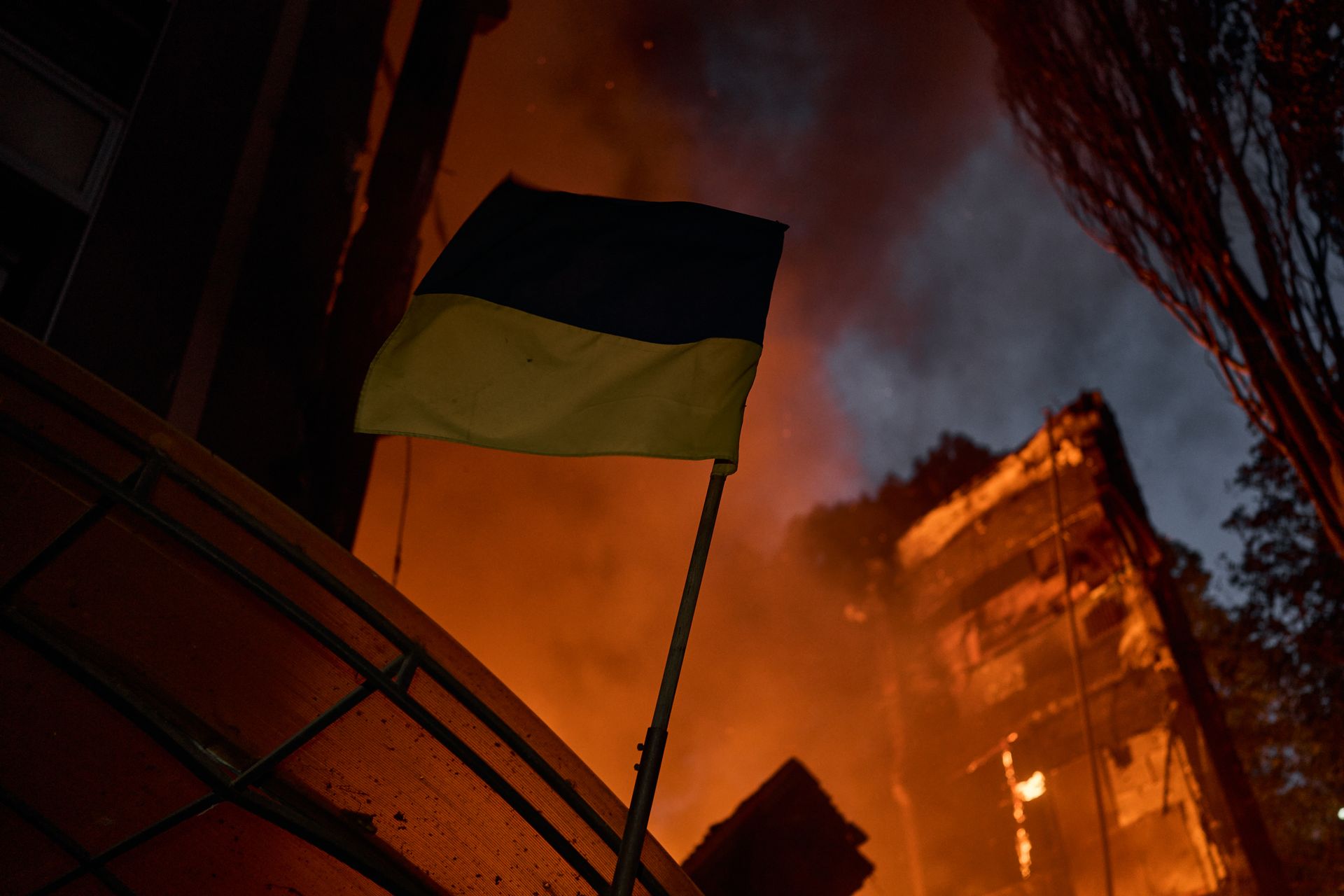
Ukrainian exceptionalism
#Ukrainian exceptionalism #national identity #cultural history #resilience #political development
📌 Key Takeaways
- The article discusses the concept of Ukrainian exceptionalism, highlighting its cultural and historical roots.
- It explores how this sense of uniqueness has shaped national identity and resilience.
- The piece examines the role of exceptionalism in Ukraine's political and social development.
- It considers the impact of recent events on reinforcing or challenging this national narrative.
📖 Full Retelling
🏷️ Themes
National Identity, Cultural History
Entity Intersection Graph
No entity connections available yet for this article.
Deep Analysis
Why It Matters
This concept of 'Ukrainian exceptionalism' matters because it represents a fundamental shift in how Ukraine positions itself geopolitically and culturally following Russia's 2022 invasion. It affects Ukrainian citizens by shaping national identity and resilience, impacts international allies by justifying continued military and economic support, and challenges Russia's historical narratives about Ukraine's sovereignty. The framing influences diplomatic relations across Europe and could determine long-term security arrangements in Eastern Europe.
Context & Background
- Ukraine gained independence from the Soviet Union in 1991 after centuries of Russian imperial rule and Soviet control
- The 2014 Revolution of Dignity (Maidan protests) ousted pro-Russian President Yanukovych and led to Russia's annexation of Crimea
- Russia's full-scale invasion in February 2022 marked Europe's largest conventional war since WWII, killing tens of thousands and displacing millions
- Ukraine has historically been viewed through various lenses: as part of Russia's sphere of influence, as borderlands (the meaning of 'Ukraine'), or as a distinct European nation
What Happens Next
Ukraine will likely continue developing this exceptionalist narrative through cultural diplomacy, educational reforms, and international advocacy. The concept may feature prominently in upcoming peace negotiations or security guarantees. Expect increased scholarly and political debate about Ukrainian identity throughout 2024-2025, particularly as EU accession talks progress and reconstruction planning intensifies.
Frequently Asked Questions
Ukrainian exceptionalism refers to the idea that Ukraine possesses unique historical, cultural, and political characteristics that distinguish it from Russia and justify its independent statehood. It emphasizes Ukraine's European orientation, democratic aspirations, and resilience against authoritarian aggression as defining national traits.
This narrative strengthens Ukrainian morale and justifies international support by framing the conflict as a defense of European values against Russian imperialism. It provides ideological motivation for continued resistance and helps secure military aid by positioning Ukraine as defending democratic principles beyond its own borders.
While sharing some rhetorical similarities about national uniqueness, Ukrainian exceptionalism focuses more on survival against existential threats and European integration rather than global leadership. Unlike American exceptionalism's emphasis on manifest destiny, Ukraine's version centers on sovereignty preservation and cultural distinction from Russia.
Many Ukrainians embrace elements of exceptionalism as validation of their struggle, though some scholars caution against nationalist excesses. The concept resonates particularly with younger, urban populations while older generations in eastern regions may maintain more complex identities balancing Ukrainian and Soviet/Russian influences.
Potential risks include alienating ethnic minorities within Ukraine, creating unrealistic expectations for international support, and hardening diplomatic positions that could complicate future negotiations. Excessive exceptionalism might also overlook Ukraine's internal challenges like corruption and regional divisions that require attention alongside external threats.