
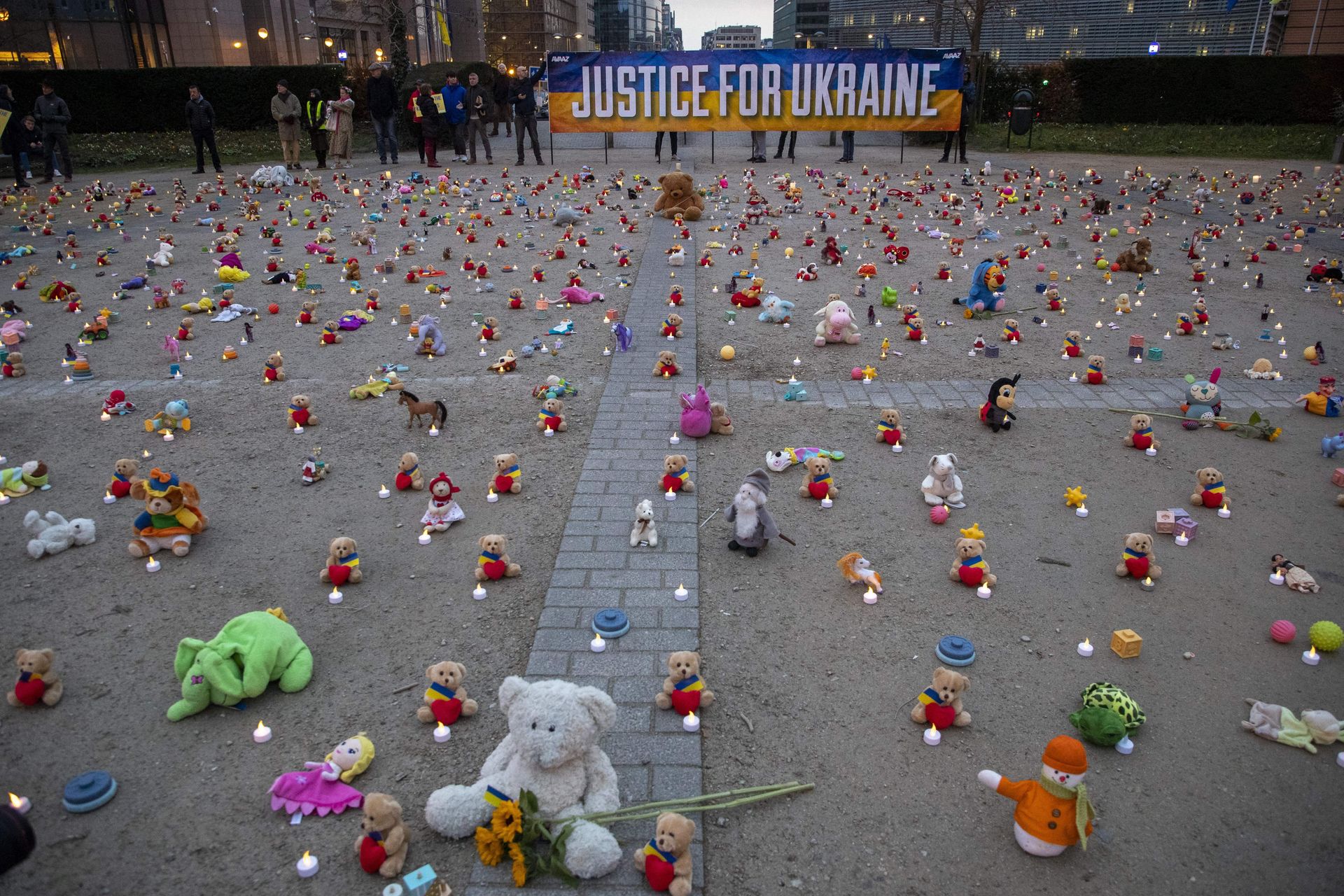
US allocates $25 million to track, return Ukrainian children abducted by Russia
#Ukraine #Russia #abducted children #US funding #repatriation #war crimes #human rights
📌 Key Takeaways
- The US has allocated $25 million to support efforts to locate and repatriate Ukrainian children abducted by Russia.
- This funding aims to address the systematic forced deportation of Ukrainian children, which has been condemned internationally.
- The initiative underscores US commitment to holding Russia accountable for alleged war crimes and human rights violations.
- The effort involves tracking displaced children and facilitating their return to Ukraine or reunification with families.
📖 Full Retelling
🏷️ Themes
International Aid, Human Rights, War Crimes
📚 Related People & Topics

Russia
Country in Eastern Europe and North Asia
Russia, or the Russian Federation, is a country in Eastern Europe and North Asia. It is the largest country in the world, spanning eleven time zones and sharing land borders with fourteen countries. With a population of over 140 million, Russia is the most populous country in Europe and the ninth-mo...

Ukraine
Country in Eastern Europe
# Ukraine **Ukraine** is a country located in Eastern Europe. It is the second-largest country in Europe by area, after Russia. Known for its extensive fertile plains, the nation serves as a critical global exporter of grain and is considered a middle power in international affairs. ## Geography a...
Entity Intersection Graph
Connections for Russia:
Mentioned Entities
Deep Analysis
Why It Matters
This news is important because it addresses a grave humanitarian crisis involving the forced deportation of Ukrainian children by Russia, which has been condemned internationally as a potential war crime. It affects the abducted children and their families, who face trauma and separation, as well as Ukraine's future demographic and social fabric. The US funding signals continued Western support for Ukraine and aims to hold Russia accountable, impacting diplomatic relations and international law enforcement efforts.
Context & Background
- Since Russia's full-scale invasion of Ukraine in February 2022, thousands of Ukrainian children have been reportedly taken to Russia or Russian-controlled territories, often without parental consent.
- The International Criminal Court (ICC) issued arrest warrants in March 2023 for Russian President Vladimir Putin and Children's Rights Commissioner Maria Lvova-Belova over alleged war crimes related to these abductions.
- Ukraine estimates that over 19,000 children have been forcibly deported, with only a small fraction returned, amid efforts by Kyiv and international organizations to document and address the issue.
- This builds on historical patterns of population transfers during conflicts, such as those in World War II, and raises legal and ethical questions under the Geneva Conventions and UN conventions on children's rights.
What Happens Next
In the coming months, the US funds will likely be deployed to support NGOs and international bodies in tracking children and facilitating returns, potentially leading to increased repatriation efforts. Legal actions may intensify, with the ICC and other courts possibly pursuing further indictments or trials related to these abductions. Diplomatic tensions could rise as Russia denies wrongdoing, and Ukraine may push for more international sanctions or resolutions at the UN to pressure Moscow.
Frequently Asked Questions
The US is providing this funding to bolster humanitarian and legal initiatives aimed at locating and repatriating abducted Ukrainian children, demonstrating support for Ukraine and reinforcing international norms against war crimes. It also aims to assist organizations on the ground in documenting cases and coordinating returns, which can help hold perpetrators accountable.
Ukraine estimates that over 19,000 children have been forcibly taken to Russia or Russian-controlled areas since the invasion began, though exact numbers are difficult to verify due to the chaotic nature of the conflict. International bodies like the UN and ICC are investigating these claims, with only a few hundred children reported as returned so far.
Russia could face legal consequences such as war crime charges at the International Criminal Court, where arrest warrants have already been issued for top officials. Additionally, sanctions and international condemnation may increase, potentially leading to further isolation and pressure from global institutions like the United Nations.
The funds will likely support NGOs, international agencies, and Ukrainian authorities in activities like database creation, DNA testing, legal assistance, and logistical coordination for repatriation. This may involve working with families to identify children, negotiating with intermediaries, and ensuring safe returns and reintegration into Ukrainian society.
Challenges include Russia's denial of wrongdoing, lack of access to occupied territories, bureaucratic hurdles, and the trauma experienced by children, which complicates identification and reintegration. International diplomacy and cooperation are often required, but progress can be slow due to ongoing hostilities and political tensions.