
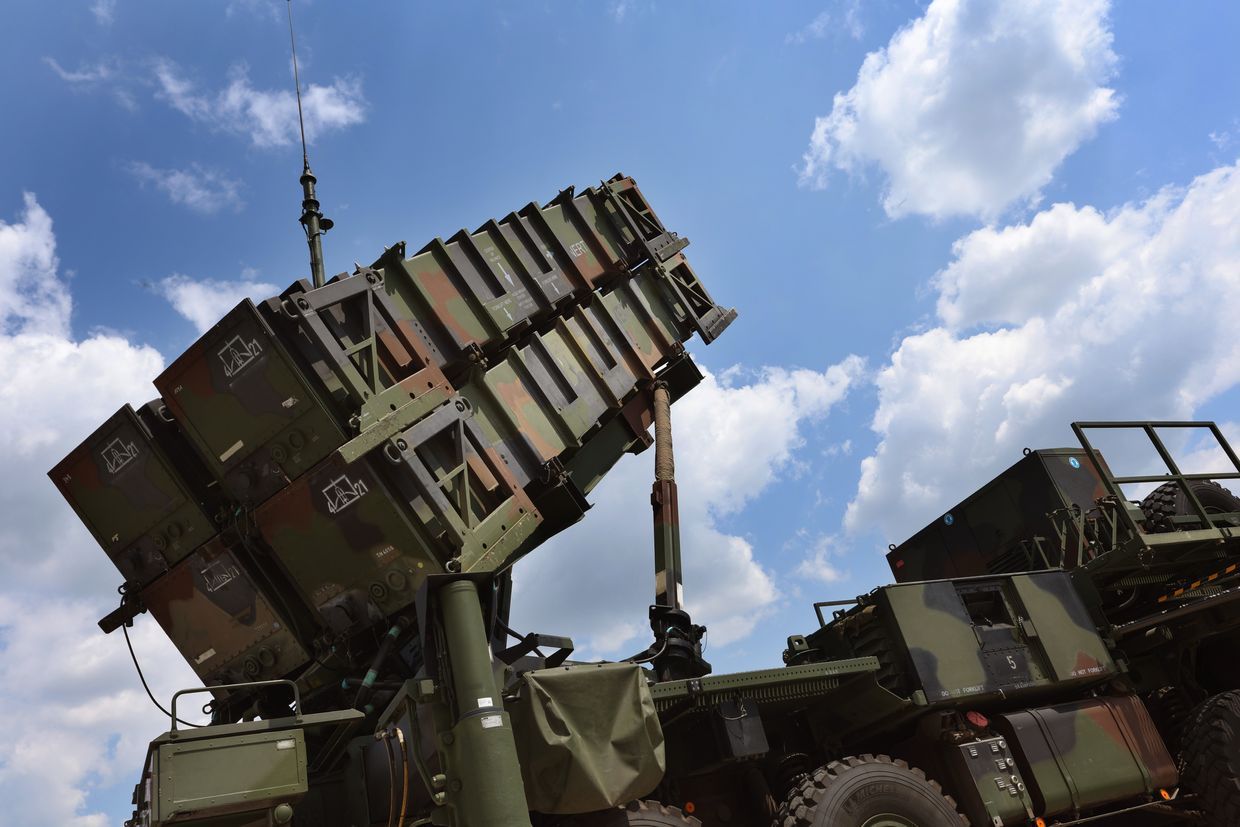
US reportedly weighs redirecting Ukraine military aid to Middle East, alarming Kyiv
#Ukraine #US military aid #Middle East #Kyiv #defense #reallocation #strategic priorities
📌 Key Takeaways
- The US is considering reallocating military aid from Ukraine to the Middle East.
- This potential shift has caused significant concern in Kyiv.
- The move reflects changing US strategic priorities amid regional conflicts.
- Ukraine's defense capabilities could be impacted by reduced support.
🏷️ Themes
Military Aid, Geopolitical Strategy
📚 Related People & Topics
United States military aid
Aspect of American foreign policy
The United States government first recognized the usefulness of foreign aid as a tool of diplomacy in World War II. It was believed that it would promote liberal capitalist models of development in other countries and that it would enhance national security. Driven by the strategic necessities of a ...

Kyiv
Capital of Ukraine
Kyiv, also Kiev, is the capital and most populous city of Ukraine. Located in the north-central part of the country, it straddles both banks of the Dnieper River. As of January 2022, the population of Kyiv was 2,952,301, making it the seventh-most populous city in Europe.

Middle East
Transcontinental geopolitical region
The Middle East is a geopolitical region encompassing the Arabian Peninsula, Egypt, Iran, Iraq, the Levant, and Turkey. The term came into widespread usage by Western European nations in the early 20th century as a replacement of the term Near East (both were in contrast to the Far East). The term ...

Ukraine
Country in Eastern Europe
# Ukraine **Ukraine** is a country located in Eastern Europe. It is the second-largest country in Europe by area, after Russia. Known for its extensive fertile plains, the nation serves as a critical global exporter of grain and is considered a middle power in international affairs. ## Geography a...
Entity Intersection Graph
No entity connections available yet for this article.
Mentioned Entities
Deep Analysis
Why It Matters
This potential policy shift matters because it could significantly impact Ukraine's defense capabilities against Russian aggression at a critical moment in the conflict. It affects Ukraine's military planning and morale, European security dynamics, and US credibility as a reliable security partner. The decision would also signal shifting US geopolitical priorities from Europe to the Middle East, potentially creating ripple effects across multiple global hotspots.
Context & Background
- The US has provided over $44 billion in military assistance to Ukraine since Russia's full-scale invasion in February 2022
- Recent Middle East tensions include the Israel-Hamas war and attacks on shipping in the Red Sea by Houthi rebels
- Ukraine is preparing for what could be a decisive phase in its counteroffensive against Russian forces
- Congress has been debating additional Ukraine aid packages amid growing political divisions
What Happens Next
The Biden administration will likely face pressure from both European allies and domestic critics to clarify its position within the next 2-3 weeks. Congressional hearings on foreign aid allocations are expected in January 2024, where this potential redirection will be debated. Ukraine may intensify diplomatic efforts to secure alternative military support from European partners if US aid diminishes.
Frequently Asked Questions
The US may be responding to escalating tensions in the Middle East, particularly the Israel-Hamas conflict and threats to shipping lanes. This reflects competing security priorities and limited military resources that must be allocated across multiple global hotspots simultaneously.
Reduced US military aid would likely force Ukraine to scale back offensive operations and focus more on defensive positions. This could give Russia strategic advantages and potentially prolong the conflict, as Ukraine relies heavily on Western equipment and ammunition.
This would signal a major reorientation of US foreign policy priorities, potentially weakening European security architecture. It could encourage other adversaries to test US commitments globally and strain transatlantic alliances that have been united in supporting Ukraine.
European NATO members would likely increase pressure on the US to maintain Ukraine support while accelerating their own military assistance programs. Some may view this as evidence that Europe cannot depend on long-term US security guarantees.
Yes, this appears to be a consideration rather than a finalized policy, meaning congressional pressure, Ukrainian diplomacy, or changing Middle East dynamics could prevent implementation. The administration's final decision will depend on evolving security assessments in both regions.