
US senators move to sanction Hungary over blocking Ukraine support
#US senators #Hungary #sanctions #Ukraine support #NATO #foreign policy #aid obstruction
📌 Key Takeaways
- US senators propose sanctions against Hungary for obstructing Ukraine aid
- Hungary's actions are seen as hindering Western support for Ukraine
- The move reflects growing US frustration with Hungary's foreign policy stance
- Sanctions aim to pressure Hungary to align with NATO and EU support for Ukraine
📖 Full Retelling
🏷️ Themes
International Relations, Sanctions
📚 Related People & Topics

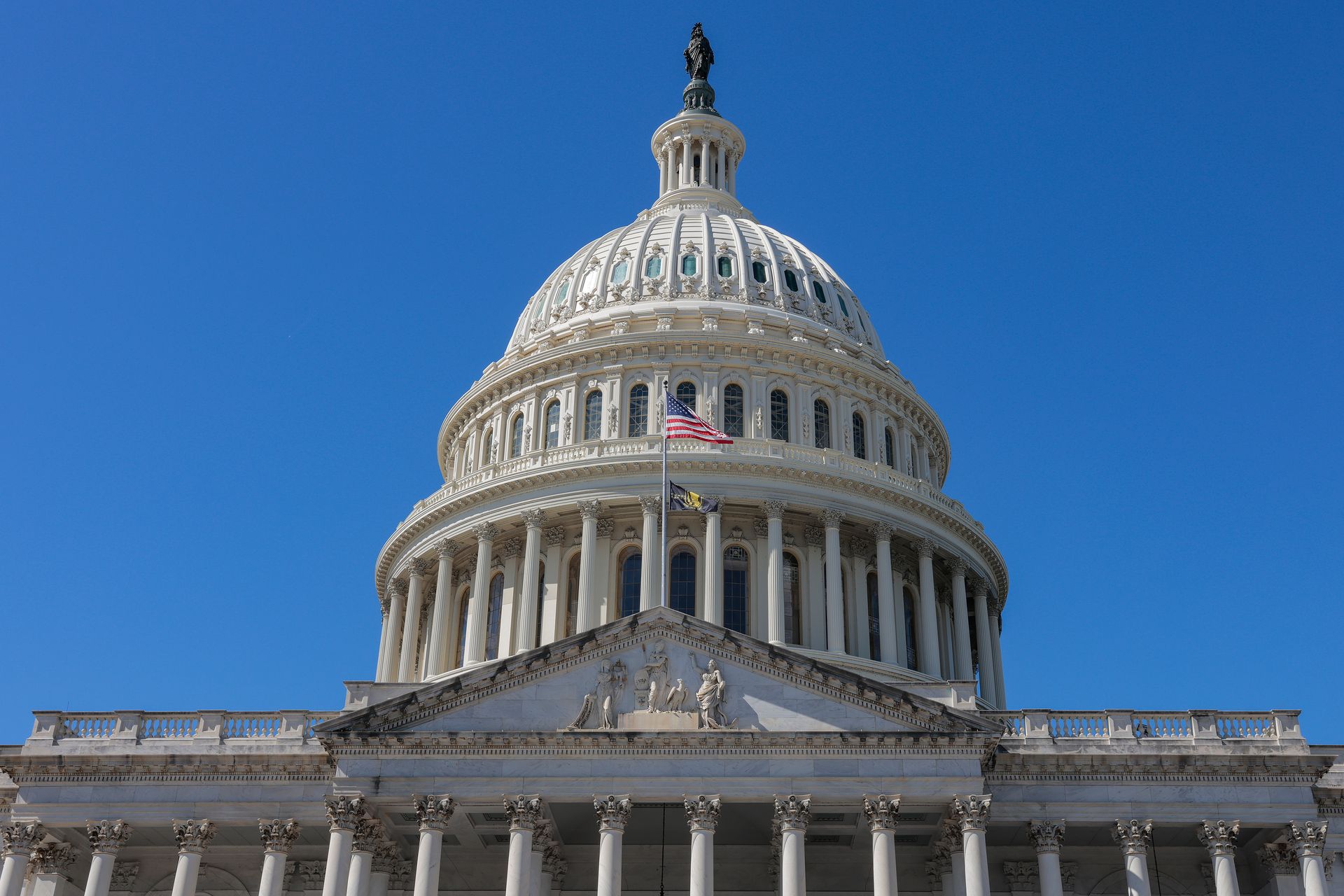
United States Senate
Upper house of the US Congress
The United States Senate is a chamber of the bicameral United States Congress; it is the upper house, and the U.S. House of Representatives is the lower house. Together, the Senate and House have the authority under Article One of the Constitution to make and pass or defeat federal legislation. The ...

Hungary
Country in Central Europe
Hungary is a landlocked country in Central Europe. Spanning much of the Carpathian Basin, it is bordered by Slovakia to the north, Ukraine to the northeast, Romania to the east and southeast, Serbia to the south, Croatia and Slovenia to the southwest, and Austria to the west. Hungary lies within the...

NATO
Intergovernmental military alliance
# North Atlantic Treaty Organization (NATO) The **North Atlantic Treaty Organization (NATO)** is a prominent intergovernmental military alliance consisting of 32 member states across Europe and North America. Established as a cornerstone of post-World War II international relations, the organizatio...
Entity Intersection Graph
Connections for United States Senate:
Mentioned Entities
Deep Analysis
Why It Matters
This development matters because it represents a significant escalation in tensions between the United States and Hungary, a NATO ally, over Ukraine policy. It affects Hungary's economy and diplomatic standing, potentially impacting European Union unity on Ukraine support. The move could strain NATO cohesion and influence Hungary's future foreign policy decisions, while also signaling to other nations that obstructing Western support for Ukraine carries consequences.
Context & Background
- Hungary has consistently blocked or delayed EU military aid packages to Ukraine since Russia's 2022 invasion, citing concerns about ethnic Hungarian minorities in Ukraine and advocating for peace negotiations.
- Prime Minister Viktor Orbán has maintained closer ties with Russia than other EU/NATO members, meeting with Vladimir Putin multiple times since the invasion began.
- The US previously imposed visa restrictions on Hungarian officials in 2023 over corruption concerns, and Hungary's access to EU funds has been frozen due to rule-of-law disputes.
- Hungary has been a NATO member since 1999 and EU member since 2004, but has increasingly clashed with both organizations over democratic norms and foreign policy.
What Happens Next
The proposed legislation will move through Senate committees before potential floor votes, possibly within the next 2-3 months. Hungary will likely respond with diplomatic protests and may further obstruct EU decisions. The EU may face increased pressure to address Hungary's blocking actions internally before US sanctions are implemented. Orbán is expected to frame the sanctions as foreign interference ahead of Hungary's upcoming EU presidency in July 2024.
Frequently Asked Questions
While the article doesn't specify exact measures, similar congressional sanctions proposals typically target government officials with asset freezes and travel bans, restrict military cooperation, and limit financial transactions with Hungarian institutions. The sanctions would likely focus on individuals and entities involved in blocking Ukraine aid.
Hungary cites multiple reasons including concerns about the rights of ethnic Hungarians in Ukraine's Transcarpathia region, objections to Ukraine's inclusion on NATO's membership track, and belief that sanctions against Russia hurt Europe's economy more than Russia's. Orbán has consistently advocated for immediate peace negotiations rather than military escalation.
This could further strain Hungary's EU relations, potentially triggering Article 7 proceedings that could suspend Hungary's voting rights. However, complete expulsion from the EU is unlikely as there's no legal mechanism for involuntary exit. The sanctions debate may increase pressure for Hungary to compromise on Ukraine aid packages.
The proposal has bipartisan support in the Senate but would need House approval and presidential signature. Passage depends on Ukraine aid remaining a priority amid competing domestic issues. Some senators may hesitate to sanction a NATO ally, potentially requiring modified legislation to gain sufficient support.
Hungary has typically responded defiantly to external pressure, framing it as sovereignty violations. After previous US sanctions on Hungarian officials, Orbán's government intensified anti-Western rhetoric and strengthened ties with China and Russia. They're likely to employ similar tactics while seeking support from other EU members skeptical of US influence.