
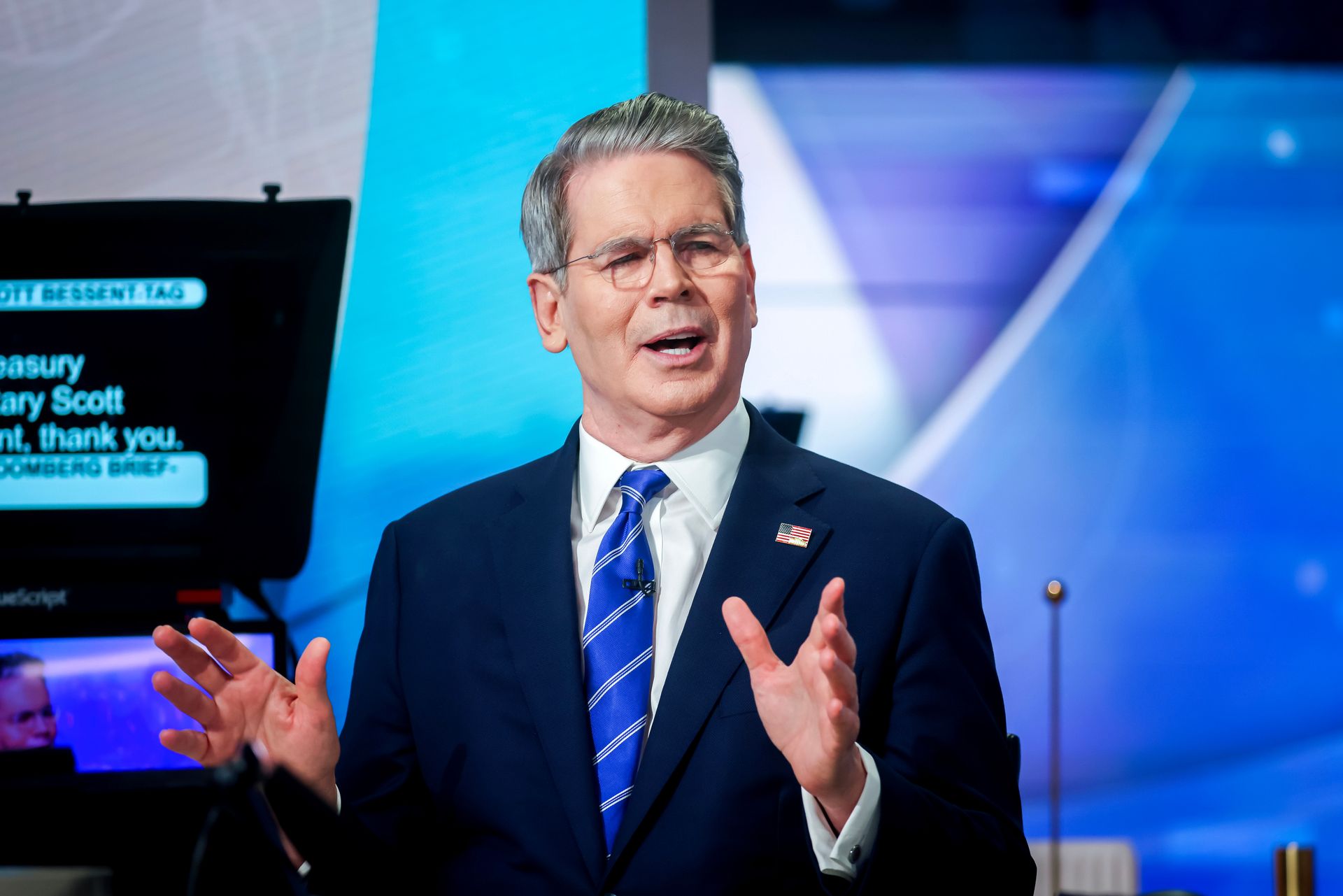
US Treasury chief defends Russian oil sanctions relief, says price cap limits Kremlin gains
#Russian oil #price cap #sanctions relief #US Treasury #Kremlin #revenue #global market
📌 Key Takeaways
- US Treasury Secretary defends easing sanctions on Russian oil as a strategic move.
- A price cap mechanism is implemented to restrict Russia's revenue from oil exports.
- The policy aims to balance global oil market stability with limiting Kremlin's war funding.
- Officials argue the cap reduces Russian profits while preventing price spikes.
📖 Full Retelling
🏷️ Themes
Sanctions, Energy Policy
📚 Related People & Topics

United States Department of the Treasury
United States federal executive department
The Department of the Treasury (USDT) is the national treasury and finance department of the federal government of the United States. It is one of 15 current U.S. government departments. The treasury executes currency circulation in the domestic fiscal system, collects all federal taxes through the ...

Kremlin
Fortified complex in Moscow, Russia
The Moscow Kremlin, commonly known as just the Kremlin, is a fortified complex in Moscow, Russia. Located in the centre of the country's capital city, the Moscow Kremlin comprises five palaces, four cathedrals, and the enclosing Kremlin Wall along with the Kremlin towers. In the complex is the Grand...

Petroleum industry in Russia
One of the largest in the world
The petroleum or oil industry in Russia is one of the largest in the world. Russia has the largest reserves and was the largest exporter of natural gas. It has the sixth largest oil reserves, and is one of the largest producers of oil.
Entity Intersection Graph
Connections for United States Department of the Treasury:
Mentioned Entities
Deep Analysis
Why It Matters
This news matters because it addresses a critical tension in Western sanctions policy against Russia - balancing the goal of restricting Moscow's war funding while preventing global oil price spikes that would harm economies worldwide. The price cap mechanism directly affects energy markets, consumers facing fuel costs, and Ukraine's military prospects by limiting Russian revenue. Treasury Secretary Yellen's defense signals the Biden administration's commitment to this complex economic warfare strategy that impacts both geopolitics and household budgets.
Context & Background
- The G7 price cap on Russian oil exports was implemented in December 2022, allowing Russian oil to be shipped using Western services only if sold below $60/barrel
- Russia's energy exports previously accounted for approximately 40% of federal budget revenue before the Ukraine invasion
- Western sanctions have created a 'shadow fleet' of tankers and alternative insurance arrangements as Russia seeks to circumvent restrictions
- Global oil markets remain tight due to OPEC+ production cuts and recovering post-pandemic demand
- Previous sanctions exemptions for Russian energy aimed to prevent supply shocks like those seen after Iran sanctions
What Happens Next
The price cap will face quarterly review in early 2024, with possible adjustments based on market conditions and Russian adaptation. Enforcement actions against sanction-evading 'shadow fleet' vessels are likely to intensify through 2024. Russia may further develop alternative shipping and insurance networks with non-Western partners, potentially testing the cap's effectiveness by mid-2024.
Frequently Asked Questions
The cap prohibits Western companies from providing shipping, insurance, or financing for Russian crude oil unless it's sold below a set price (currently $60/barrel). This leverages Western dominance in maritime services to control Russian oil revenues while keeping supply flowing to prevent global price spikes.
Complete embargoes could remove millions of barrels from global markets, causing price spikes that would hurt Western economies and developing nations while potentially increasing total Russian revenue through higher prices. The cap attempts to balance pressure on Russia with economic stability.
Mixed results - Russian oil export revenues have declined significantly (about 30% year-over-year), but Moscow has adapted by building alternative shipping networks and selling at discounts to countries like India and China, maintaining production levels while accepting lower margins.
Oil-importing developing nations benefit from stabilized prices, while Ukraine benefits from reduced Russian war funding. Western consumers avoid extreme price spikes, though Russia still earns substantial revenue just at reduced levels.
Critics argue it allows Russia to continue funding its war while legitimizing Russian oil purchases, and that enforcement is difficult as Russia develops alternative shipping networks. Some believe stricter embargoes would be more effective despite short-term economic pain.