
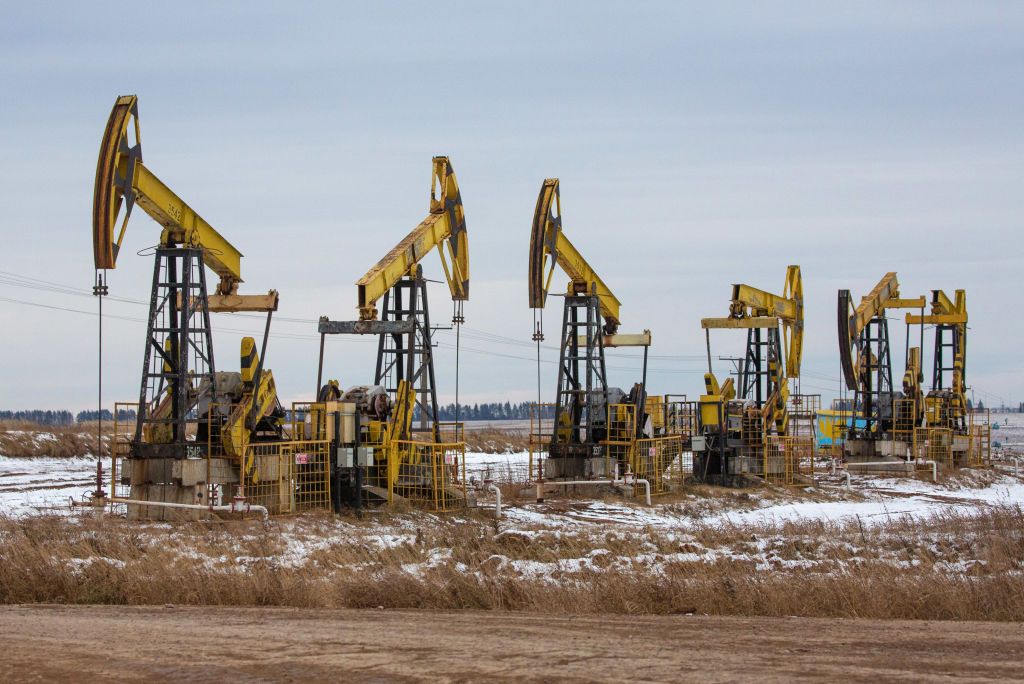
Worst oil supply disruption in modern Russian history halts about 40% of export capacity, Reuters reports
#oil supply #export capacity #Russia #disruption #Reuters #global markets #economic impact
📌 Key Takeaways
- Russia faces its worst oil supply disruption in modern history, halting about 40% of export capacity.
- The disruption significantly impacts global oil markets and supply chains.
- The event is reported by Reuters, highlighting its severity and international attention.
- The halt in exports could lead to increased oil prices and economic repercussions.
📖 Full Retelling
🏷️ Themes
Oil Disruption, Russian Economy
📚 Related People & Topics

Russia
Country in Eastern Europe and North Asia
Russia, or the Russian Federation, is a country in Eastern Europe and North Asia. It is the largest country in the world, spanning eleven time zones and sharing land borders with fourteen countries. With a population of over 140 million, Russia is the most populous country in Europe and the ninth-mo...

Reuters
International news agency
Reuters ( ROY-tərz) is a British news agency owned by Thomson Reuters. It employs around 2,500 journalists and 600 photojournalists in about 200 locations worldwide writing in 16 languages. Reuters is one of the largest news agencies in the world.
Entity Intersection Graph
Connections for Russia:
Mentioned Entities
Deep Analysis
Why It Matters
This disruption represents the most severe oil supply crisis in modern Russian history, affecting approximately 40% of the country's export capacity. This matters because Russia is one of the world's top three oil producers and exporters, and such a significant reduction in supply could trigger global oil price spikes. The disruption affects global energy markets, European energy security, Russian government revenue, and could exacerbate inflation worldwide. Countries dependent on Russian oil imports, particularly in Asia and Europe, will need to find alternative sources, potentially reshaping global energy trade flows.
Context & Background
- Russia is the world's third-largest oil producer after the United States and Saudi Arabia, typically exporting 4-5 million barrels per day
- Russia's oil industry has faced increasing sanctions pressure since its 2022 invasion of Ukraine, including price caps and shipping restrictions
- Previous major disruptions include the 2022 Nord Stream pipeline sabotage and various sanctions-related export challenges, but none approached 40% of export capacity
- Russia's federal budget relies heavily on oil and gas revenues, which typically account for 30-40% of total government income
- Global oil markets have been relatively balanced in recent months with OPEC+ maintaining production cuts to support prices
What Happens Next
Global benchmark oil prices (Brent and WTI) will likely spike in immediate trading sessions as markets price in reduced supply. The International Energy Agency may coordinate emergency stock releases from strategic petroleum reserves. Russia will attempt to repair or reroute exports through alternative pipelines or ports, but this could take weeks. OPEC+ may reconsider its production quotas at upcoming meetings, potentially increasing output to stabilize markets. European countries will accelerate efforts to secure alternative energy supplies, possibly from the Middle East, Africa, or the United States.
Frequently Asked Questions
The Reuters report indicates this is the worst supply disruption in modern Russian history, though specific causes aren't detailed in the provided content. Such disruptions typically result from infrastructure failures, sanctions enforcement, geopolitical conflicts, or technical issues at key export facilities like ports or pipelines.
The loss of 40% of Russian export capacity will likely cause immediate oil price increases of 10-20% or more, depending on duration. Higher energy costs will feed through to transportation, manufacturing, and consumer goods, potentially adding 0.5-1.5 percentage points to global inflation rates over the next quarter.
China and India, as Russia's largest oil customers since 2022, will face immediate supply shortages. European nations still importing Russian oil via pipeline will be affected, as will global shipping and aviation sectors. Russia itself faces severe revenue losses that could impact its economy and military spending.
Major infrastructure disruptions typically take weeks to months to fully resolve, depending on the cause. If it's technical, repairs might take 2-8 weeks. If it's sanctions-related or geopolitical, the disruption could persist much longer, forcing permanent changes to global oil trade routes.
Countries can increase imports from Saudi Arabia, UAE, Iraq, or the United States, though these sources have limited spare capacity. Some may draw down strategic petroleum reserves temporarily. European nations might accelerate renewable energy deployment or increase LNG imports, though these are longer-term solutions.
Reduced oil revenue will strain Russia's military budget, potentially limiting equipment purchases and soldier payments. However, higher global oil prices could partially offset volume losses. The disruption may also increase pressure on Russia to negotiate or make strategic concessions regarding energy exports.