
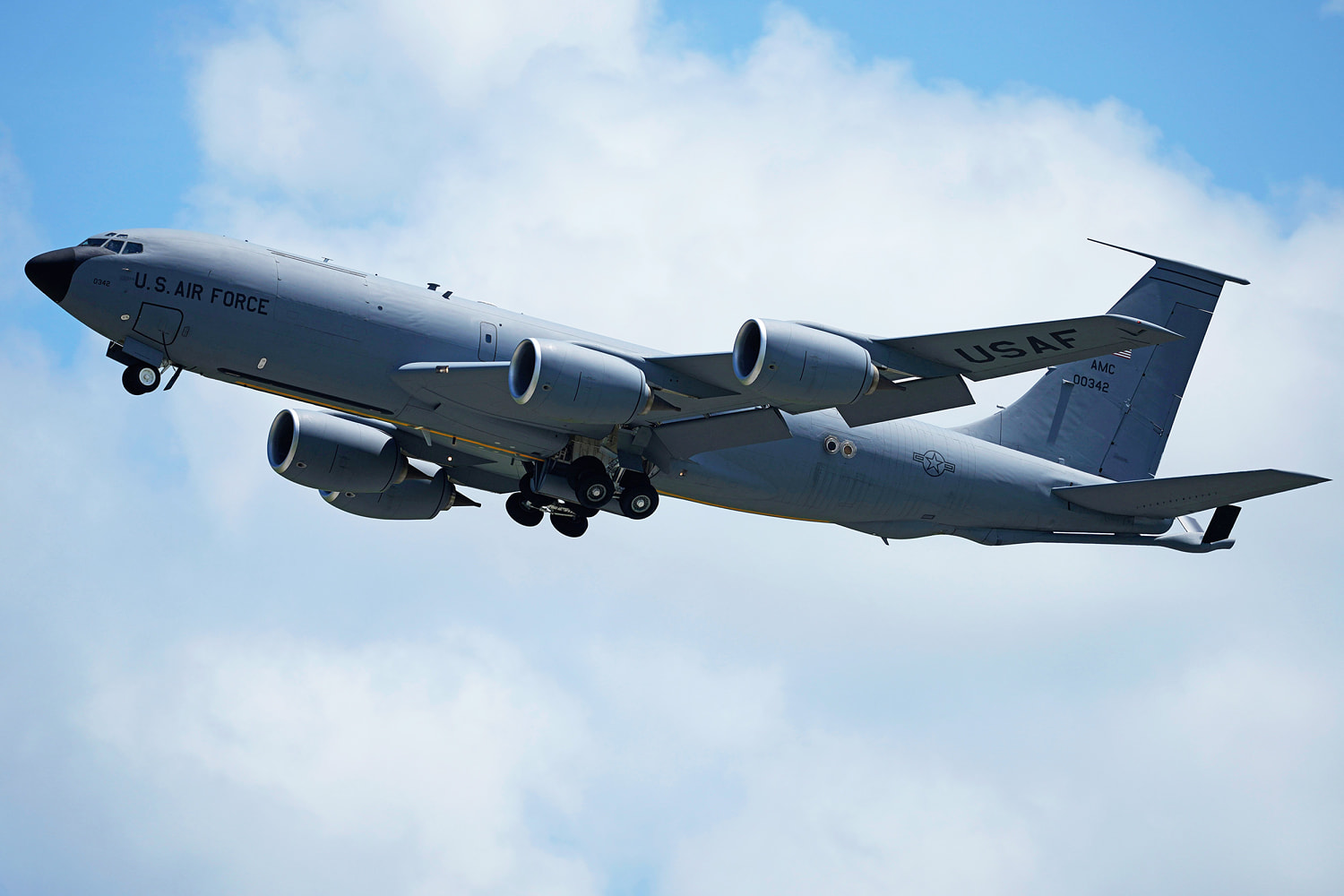
4 U.S. crew members killed, 2 missing after refueling plane crashes in Iraq
#U.S. military #plane crash #Iraq #refueling aircraft #casualties #missing crew #aviation accident #military operations
📌 Key Takeaways
- Four U.S. crew members were killed in a refueling plane crash in Iraq
- Two additional crew members are missing following the incident
- The aircraft involved was a military refueling plane
- The crash occurred in Iraq, location specifics not detailed in the article
📖 Full Retelling
🏷️ Themes
Military accident, International incident
📚 Related People & Topics

Iraq
Country in West Asia
Iraq, officially the Republic of Iraq, is a country in West Asia. Located within the geo-political region of the Middle East, it is bordered by Saudi Arabia to the south, Turkey to the north, Iran to the east, the Persian Gulf and Kuwait to the southeast, Jordan to the southwest, and Syria to the we...
Entity Intersection Graph
Connections for Iraq:
Mentioned Entities
Deep Analysis
Why It Matters
This incident represents a significant loss of U.S. military personnel and equipment in an active conflict zone, potentially impacting ongoing operations against ISIS remnants in Iraq. The crash of a KC-130J Hercules aerial refueling aircraft affects U.S. military capabilities in the region, as these planes are critical for extending the range and endurance of fighter jets and other aircraft. The families of the crew members and the broader military community are directly affected, while the incident may influence U.S.-Iraqi security cooperation discussions and public perception of continued American military presence in the country.
Context & Background
- The U.S. has maintained a military presence in Iraq since 2003, with current forces primarily focused on counterterrorism operations against ISIS remnants.
- KC-130J Hercules aircraft are modified C-130 transport planes used for aerial refueling, cargo transport, and special operations support, with only about 70 in the U.S. inventory.
- Iraq remains a volatile security environment where U.S. forces face threats from Iranian-backed militias, ISIS cells, and other armed groups.
- Previous U.S. aircraft losses in Iraq include a 2020 helicopter crash that killed two service members and multiple drone shoot-downs by hostile forces.
- The U.S.-led coalition against ISIS has operated in Iraq since 2014, with approximately 2,500 U.S. troops currently deployed there under bilateral agreements.
What Happens Next
The U.S. military will initiate a formal investigation to determine the cause of the crash, which could take weeks or months to complete. Search and recovery operations will continue for the two missing crew members, potentially involving Iraqi security forces. The incident may prompt temporary operational adjustments for U.S. aerial refueling missions in the region. Congressional oversight committees will likely request briefings on the crash and its implications for ongoing operations. Depending on investigation findings, there may be fleet-wide safety reviews or modifications for KC-130J aircraft.
Frequently Asked Questions
The KC-130J Hercules is a multi-role tanker/transport aircraft used primarily for aerial refueling of other military aircraft. It's a modified version of the C-130 transport plane with specialized refueling equipment and can also carry cargo and personnel.
While not frequent, U.S. aircraft incidents in Iraq have occurred periodically throughout the decades-long military presence. Causes have included mechanical failures, hostile fire, and operational accidents, with the last major fixed-wing crash happening several years ago.
Approximately 2,500 U.S. troops remain in Iraq primarily to advise and assist Iraqi security forces in counterterrorism operations against ISIS remnants. The mission operates under a bilateral agreement with the Iraqi government and focuses on training, intelligence sharing, and limited combat support.
The loss of a KC-130J will temporarily reduce aerial refueling capacity, potentially affecting flight operations for fighter jets and surveillance aircraft. However, the U.S. military maintains redundant capabilities and will likely adjust missions or deploy replacement assets to minimize operational impact.
The military provides casualty assistance officers to help families with notifications, funeral arrangements, and benefits. Families receive death gratuities, life insurance payments, and ongoing support services including counseling and assistance with military bureaucracy.