

98-year-old federal judge suspended for mental fitness appeals to Supreme Court
#federal judge #Supreme Court #mental fitness #judicial suspension #age discrimination #legal precedent #judiciary
📌 Key Takeaways
- 98-year-old federal judge suspended over mental fitness concerns
- Judge appeals suspension to the Supreme Court
- Case raises questions about judicial retirement and mental capacity standards
- Outcome could set precedent for handling aging judges in the judiciary
📖 Full Retelling
🏷️ Themes
Judicial Fitness, Legal Appeals
📚 Related People & Topics
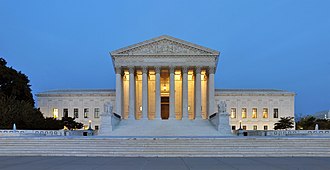
Supreme court
Highest court in a jurisdiction
In most legal jurisdictions, a supreme court, also known as a court of last resort, apex court, high (or final) court of appeal, and court of final appeal, is the highest court within the hierarchy of courts. Broadly speaking, the decisions of a supreme court are binding on all other courts in a nat...
Entity Intersection Graph
Connections for Supreme court:
Mentioned Entities
Deep Analysis
Why It Matters
This case matters because it addresses the critical issue of judicial competence and the mechanisms for ensuring federal judges remain mentally fit to serve lifetime appointments. It affects the integrity of the federal judiciary, public confidence in court decisions, and sets precedent for how aging judges are evaluated. The outcome could influence future procedures for assessing judicial fitness and potentially impact other elderly judges serving on federal benches.
Context & Background
- Federal judges in the United States receive lifetime appointments under Article III of the Constitution
- The Judicial Conduct and Disability Act of 1980 established procedures for investigating judicial misconduct and disability complaints
- Only a handful of federal judges in U.S. history have been removed from office through impeachment processes
- The average age of federal judges has been increasing, with many serving into their 80s and 90s
What Happens Next
The Supreme Court will decide whether to hear the appeal, likely within the next few months. If they accept the case, oral arguments would be scheduled for the Court's next term beginning in October. The decision could establish new standards for judicial fitness evaluations and potentially trigger similar challenges involving other aging federal judges.
Frequently Asked Questions
Federal judges have lifetime appointments under the Constitution to ensure judicial independence from political pressures. The only constitutional methods for removal are impeachment by Congress or voluntary retirement. Disability proceedings can suspend judges from cases but don't automatically force retirement.
There are no standardized national tests for judicial mental fitness. Evaluations typically involve medical assessments, review of court performance, and observations of cognitive function. Different circuits may use varying procedures when disability complaints are filed against judges.
While uncommon, several federal judges have served into their 90s. The oldest serving federal judge was Wesley Brown who served until his death at 104. Approximately 15% of federal judges are currently over 80 years old, reflecting an aging judiciary.
When a judge is suspended for disability, their pending cases are typically reassigned to other judges in the same district or circuit. The suspension prevents the judge from hearing new cases but doesn't automatically invalidate previous rulings made before the suspension.