
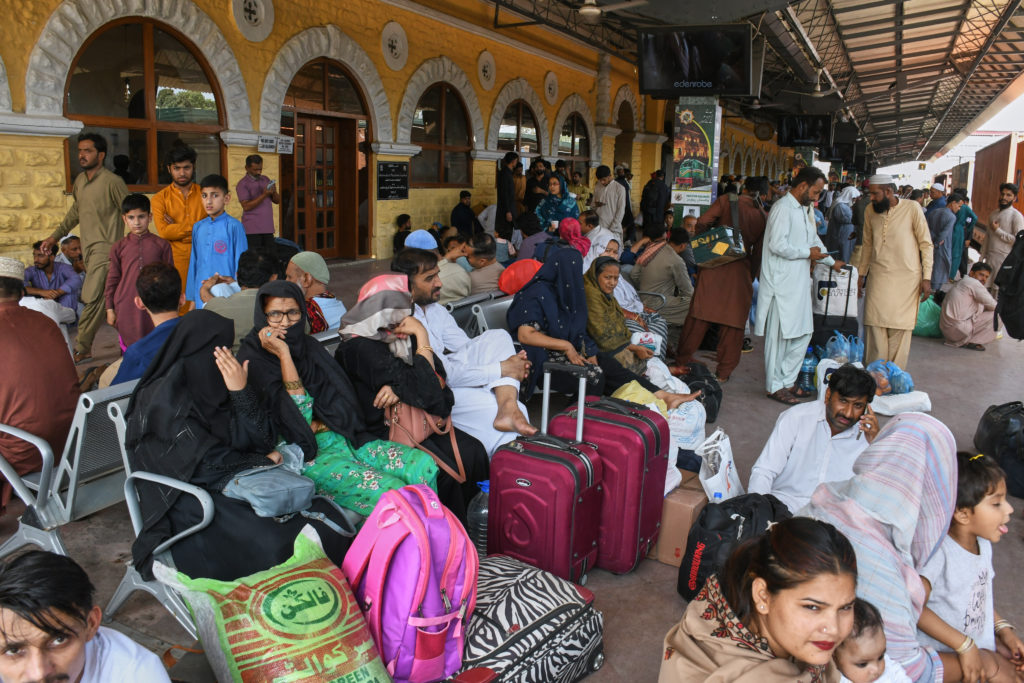
A look at Eid al-Fitr and how Muslims celebrate the Islamic holiday
#Eid al-Fitr #Ramadan #Muslims #Islamic holiday #fasting #celebration #prayer #charity
📌 Key Takeaways
- Eid al-Fitr marks the end of Ramadan, the Islamic holy month of fasting.
- It is a major religious holiday celebrated by Muslims worldwide.
- Celebrations include communal prayers, feasting, giving charity, and wearing new clothes.
- The holiday emphasizes gratitude, forgiveness, and community gatherings.
📖 Full Retelling
🏷️ Themes
Religious Observance, Cultural Celebration
Entity Intersection Graph
No entity connections available yet for this article.
Deep Analysis
Why It Matters
This news matters because it explains a major religious holiday observed by nearly 2 billion Muslims worldwide, promoting cultural understanding and interfaith awareness. It affects Muslim communities globally who participate in these celebrations, as well as non-Muslims who interact with Muslim colleagues, neighbors, and friends during this period. Understanding Eid al-Fitr helps foster workplace accommodations, educational awareness, and social inclusion in diverse societies.
Context & Background
- Eid al-Fitr marks the end of Ramadan, the Islamic holy month of fasting from dawn to sunset
- The holiday's date is determined by the lunar Islamic calendar and varies each year on the Gregorian calendar
- The first Eid al-Fitr was celebrated in 624 CE by the Prophet Muhammad after the victory in the Battle of Badr
- The holiday is also known as the 'Festival of Breaking the Fast' and is one of two major Islamic holidays alongside Eid al-Adha
What Happens Next
Following Eid celebrations, Muslims return to normal daily routines while maintaining spiritual practices gained during Ramadan. Many communities will begin preparations for the next major Islamic holiday, Eid al-Adha, which occurs approximately 70 days after Eid al-Fitr. Some countries may extend the holiday period with additional days off work and school.
Frequently Asked Questions
Eid al-Fitr celebrates the completion of Ramadan's month-long spiritual discipline and fasting. It represents gratitude to God for strength during Ramadan and emphasizes community, charity, and renewal of faith.
Celebrations begin with special morning prayers at mosques or open areas, followed by family gatherings, festive meals, and gift exchanges. Muslims also give Zakat al-Fitr (charity) before prayers to ensure all can participate in festivities.
The Islamic calendar is lunar-based, approximately 11 days shorter than the solar Gregorian calendar. Eid begins with the sighting of the new moon, causing annual date shifts and sometimes regional variations in start dates.
Muslims greet each other with 'Eid Mubarak' (Blessed Eid) or 'Eid Sa'id' (Happy Eid). Traditions include wearing new clothes, visiting family and friends, giving children gifts or money (Eidi), and sharing special foods and sweets.