
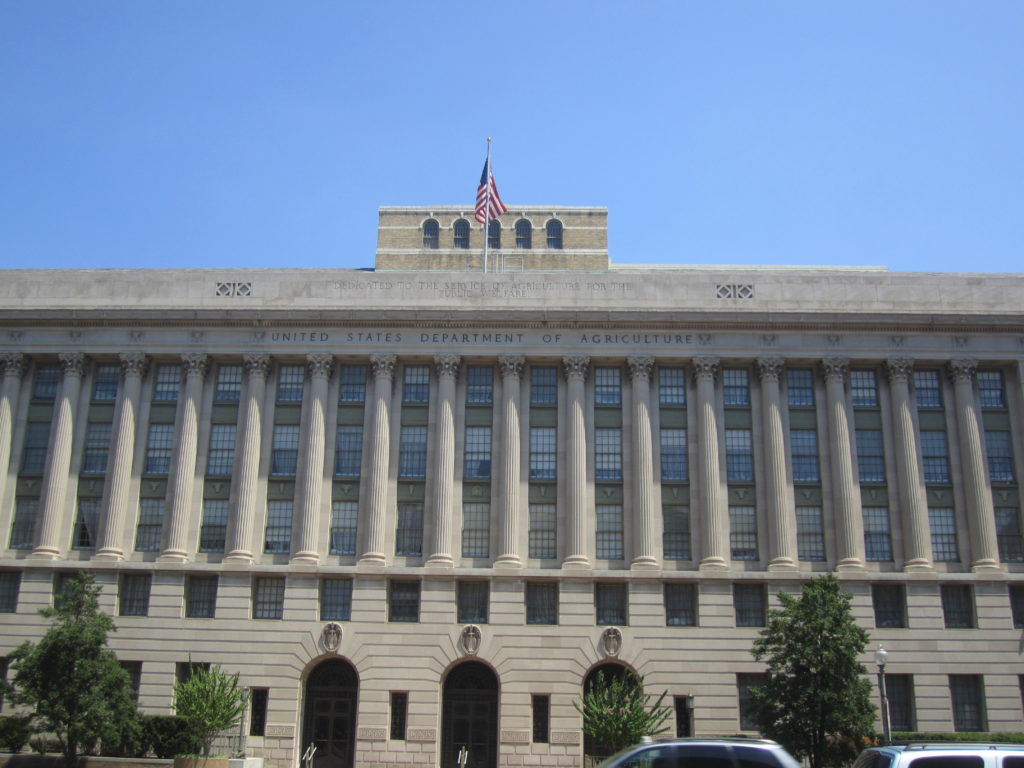
A successful USDA program that has supported more than 533,000 affordable rental homes in rural America is being phased out
#USDA #affordable housing #rural America #rental homes #government program #phase-out #housing development
📌 Key Takeaways
- USDA program supporting over 533,000 affordable rural rental homes is ending
- Program has been successful in providing housing in rural America
- Phase-out will impact future affordable housing development in rural areas
- No immediate replacement program mentioned in the article
📖 Full Retelling
🏷️ Themes
Rural Housing, Government Programs
Entity Intersection Graph
No entity connections available yet for this article.
Deep Analysis
Why It Matters
The phase-out of this USDA program is critically important because it threatens the stability of over half a million low-income households in rural areas who rely on these units for affordable shelter. As the inventory of affordable housing shrinks, it will likely exacerbate housing insecurity and increase homelessness in regions where market-rate options are scarce. Furthermore, this policy shift impacts rural landlords and property managers who depend on these government-backed loans for their operations, potentially leading to a reduction in the overall quality and maintenance of the existing housing stock.
Context & Background
- The program in question is likely the USDA Section 515 Rental Housing Program, which has been a cornerstone of rural affordable housing policy since the 1940s.
- It provides long-term, low-interest loans to private landlords to build or rehabilitate rental properties in rural areas that lack sufficient market-rate options.
- Over the decades, these loans have matured, and the USDA has been managing a massive portfolio of expiring mortgages.
- Recent policy changes have shifted the focus from new construction to managing the existing portfolio rather than renewing loans for new developments.
- This phase-out represents a reversal of decades of federal investment aimed at preventing rural poverty through housing stability.
What Happens Next
The immediate next step involves the scheduled expiration of existing Section 515 mortgages, which will force landlords to either refinance privately or sell the properties. We can expect a wave of conversions where properties are sold to private investors who will likely raise rents to market levels, displacing current tenants. Additionally, there may be a rise in property abandonment or demolition if landlords cannot afford to maintain the units without federal subsidies. The USDA may also issue new guidelines for 'Section 523' housing for the elderly, but the broader rental program will see a significant reduction in new units.
Frequently Asked Questions
The article refers to the Section 515 Rental Housing Program, which has provided long-term, low-interest loans to private landlords since the 1940s to build affordable housing in rural areas.
Over 533,000 low-income families, seniors, and individuals living in rural areas who currently rely on these government-subsidized units for stable and affordable shelter.
Tenants may face displacement if landlords sell the properties to private investors who will likely convert them to market-rate housing, or they may be forced to pay significantly higher rents if the units are retained.
The program is being phased out largely due to the maturation of the original loans, shifting federal budget priorities, and a reduction in new construction funding to focus on managing the existing portfolio.
While state and local housing authorities may offer some assistance, rural areas often lack the density required for effective public housing, making the USDA program a vital safety net that is now disappearing.