
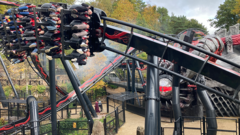
Anger over Alton Towers changes for visitors who are autistic or have ADHD
#Alton Towers #Merlin Entertainments #Autism #ADHD #Ride Access Pass #Disability Rights #Theme Parks
📌 Key Takeaways
- Merlin Entertainments updated the Ride Access Pass criteria at Alton Towers and other UK parks.
- The new rules require more stringent medical documentation for neurodivergent visitors.
- Families of children with autism and ADHD claim the changes are discriminatory and exclusionary.
- Merlin defends the move as necessary to manage high demand and maintain park efficiency.
📖 Full Retelling
Families and disability advocates across the United Kingdom are voicing intense frustration this week following the implementation of restrictive new accessibility policies at Alton Towers and other Merlin Entertainments theme parks. The controversy centers on a localized overhaul of the 'Ride Access Pass' system, which traditionally allowed visitors with disabilities such as autism and ADHD to bypass traditional queues. Management introduced these changes to streamline park operations and manage increasing demand, but critics argue the new eligibility criteria effectively exclude many neurodivergent individuals who cannot cope with long waiting periods in crowded environments.
The backlash intensified as parents and caregivers reported that the updated application process requires more extensive medical documentation and specific proof of why a guest cannot stand in a standard line. Under the new guidelines, many who previously qualified for the pass are being redirected to use standard queuing systems or alternative digital options that many find inadequate for their specific needs. The shift has sparked a viral wave of complaints on social media, with several families claiming that the magic of the theme park experience has been replaced by bureaucratic hurdles and emotional distress for their children.
In response to the growing criticism, Merlin Entertainments defended the policy update as a necessary measure to ensure the sustainability of the accessibility program. The company maintains that the high volume of pass users had begun to impact the overall flow of the parks, necessitating a more rigorous verification process to protect those with the most acute needs. However, advocacy groups have countered that the 'one size fits all' approach to physical vs. intellectual disabilities fails to account for the sensory processing challenges faced by those with ADHD and autism.
The situation at Alton Towers reflects a broader tension within the global leisure industry regarding inclusive design and the management of high-traffic tourist destinations. As public pressure mounts, many are calling for a formal review of the policy, arguing that equal access should not be sacrificed for operational efficiency. For now, the rift between the park operator and its neurodivergent patrons continues to widen, raising significant questions about the future of accessible tourism in British entertainment venues.
🏷️ Themes
Accessibility, Consumer Rights, Corporate Policy
Entity Intersection Graph
No entity connections available yet for this article.