
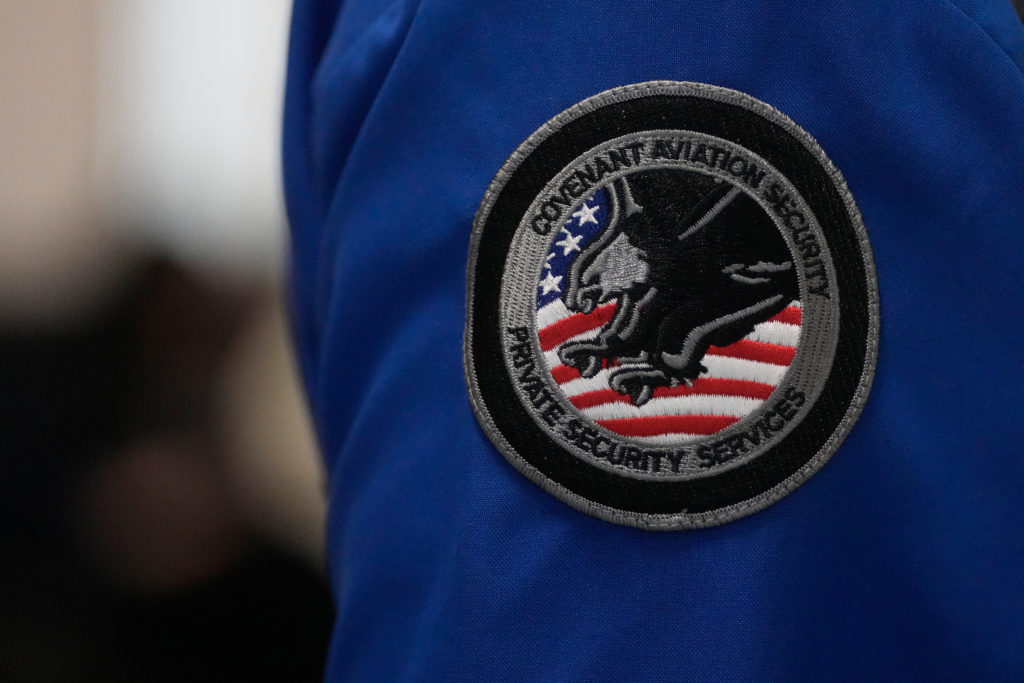
As another shutdown affects travelers, is privatizing TSA screenings a solution?
#TSA #government shutdown #privatization #airport security #travel delays #screening #aviation #contractors
📌 Key Takeaways
- Government shutdowns disrupt TSA operations and cause airport delays.
- Privatizing TSA screenings is proposed as a potential solution to improve efficiency.
- Debate centers on whether private contractors would enhance security and reliability.
- Past experiments with private screening show mixed results and ongoing controversy.
📖 Full Retelling
🏷️ Themes
Government Shutdown, Aviation Security
📚 Related People & Topics

Transportation Security Administration
United States federal government agency
The Transportation Security Administration (TSA) is an agency of the United States Department of Homeland Security (DHS) that has authority over the security of transportation systems within and connecting to the United States. It was created as a response to the September 11 attacks to improve airp...
Entity Intersection Graph
Connections for Transportation Security Administration:
View full profileMentioned Entities
Deep Analysis
Why It Matters
This news matters because TSA shutdowns directly impact millions of travelers through security delays, missed flights, and economic losses for airlines and airports. It affects federal employees who work without pay during shutdowns, creating financial hardship and morale issues. The privatization debate raises fundamental questions about government efficiency versus private sector accountability in critical national security functions.
Context & Background
- The TSA was created after 9/11 in 2001 to federalize airport security, replacing private contractors who were widely criticized for security failures
- The Screening Partnership Program already allows airports to opt for private screening contractors under TSA oversight, with about 20 airports currently using this model
- Previous government shutdowns in 2013, 2018-2019, and 2023 have repeatedly disrupted TSA operations, leading to increased wait times and security concerns
What Happens Next
Congress will likely hold hearings on TSA privatization options in the coming months, particularly if another shutdown occurs. Airports may begin submitting more applications to join the Screening Partnership Program. The TSA workforce union will probably intensify lobbying against privatization efforts while proposing alternative solutions to shutdown-related disruptions.
Frequently Asked Questions
Proponents argue private contractors could provide more efficient service with better customer experience and potentially lower costs. They claim private companies have more flexibility to adjust staffing during peak travel times and might be less affected by government shutdowns since they operate under different funding mechanisms.
Opponents argue privatization could compromise security standards by prioritizing profits over safety. They point out that private screeners would still need TSA oversight, creating redundant bureaucracy, and note that private contractors might pay workers less, leading to higher turnover and less experienced staff.
During shutdowns, TSA officers must work without pay until funding is restored, leading to increased absenteeism as employees seek temporary work. This results in understaffed checkpoints, longer wait times, and potential security vulnerabilities when exhausted personnel work extended shifts without compensation.
Approximately 20 airports use private contractors through the Screening Partnership Program, including San Francisco International Airport and Kansas City International Airport. These contractors must follow TSA protocols and standards while being supervised by TSA officials at the airports.