
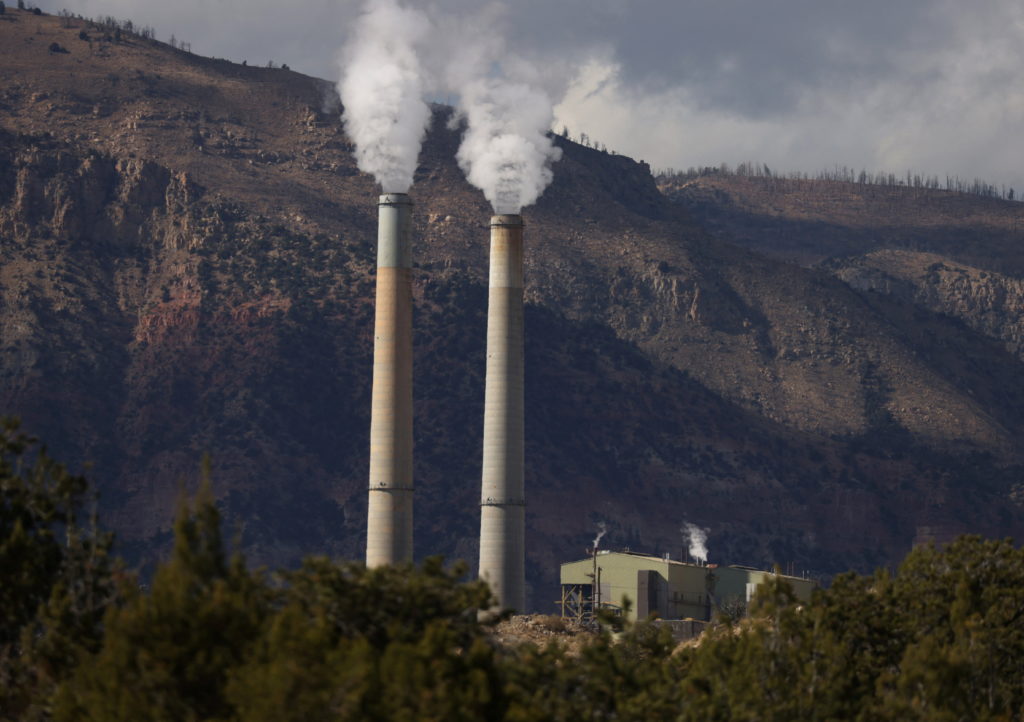
As Trump throws lifeline to coal plants, critics warn of higher costs and health risks
#Donald Trump #coal power plants #energy policy #EPA regulations #clean energy #electricity costs #public health #climate change
📌 Key Takeaways
- The Trump administration is using federal power to subsidize coal plants and hinder cleaner energy alternatives.
- The policy aims to revive the coal industry for energy security and jobs, reversing prior environmental rules.
- Critics warn the move will increase electricity costs and exacerbate air pollution-related health problems.
- The action faces strong opposition from environmental groups and conflicts with market trends favoring cheaper energy sources.
📖 Full Retelling
🏷️ Themes
Energy Policy, Environmental Regulation, Economic Impact
📚 Related People & Topics

Donald Trump
President of the United States (2017–2021; since 2025)
Donald John Trump (born June 14, 1946) is an American politician, media personality, and businessman who is the 47th president of the United States. A member of the Republican Party, he served as the 45th president from 2017 to 2021. Born into a wealthy New York City family, Trump graduated from the...
Entity Intersection Graph
Connections for Donald Trump:
Mentioned Entities
Deep Analysis
Why It Matters
This policy reversal significantly alters U.S. energy strategy by prioritizing fossil fuels over the transition to renewable energy, potentially slowing the country's progress on reducing carbon emissions. It directly impacts American consumers through the prospect of rising utility bills and exposes communities to greater pollution-related health risks. Additionally, it creates market uncertainty and sets the U.S. at odds with global efforts to combat climate change.
Context & Background
- The U.S. coal industry has been in structural decline for over a decade, largely due to the abundance of cheap natural gas and the falling costs of wind and solar power.
- The Obama administration implemented the Clean Power Plan to reduce carbon emissions, which the current administration is actively dismantling.
- Coal mining jobs have decreased significantly due to market forces and automation, a trend that regulation alone is not responsible for.
- Energy markets have increasingly favored natural gas and renewables as coal plants have aged and become more expensive to operate and maintain.
What Happens Next
Environmental groups and state attorneys general are expected to file lawsuits challenging the EPA's rule changes and market interventions. Despite federal support, market forces may continue to drive the retirement of unprofitable coal plants. The energy sector will likely face a period of regulatory volatility as these new policies are contested in court.
Frequently Asked Questions
The administration argues that coal is essential for national energy security, grid stability as a baseload power source, and preserving jobs in traditional mining communities.
Critics and economists argue that propping up coal, which is more expensive than natural gas and renewables, will ultimately lead to higher electricity costs for consumers.
Coal plant emissions are linked to serious health issues including respiratory illnesses like asthma, heart disease, and premature deaths according to public health studies.
The administration is revising rules for electricity markets to disadvantage wind and solar, making it harder for them to compete against the subsidized coal plants.