
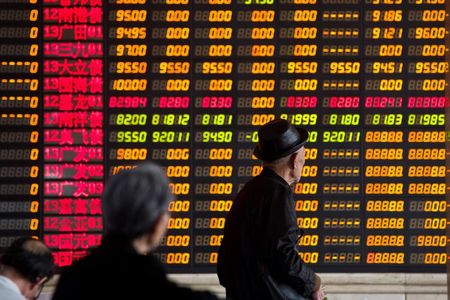
Asia stocks advance with Iran ceasefire in focus; China rises past mixed inflation
#Asian stocks #Iran ceasefire #China inflation #CPI #PPI #market rally #geopolitical risk
📌 Key Takeaways
- Asian stocks rose broadly due to reduced Middle East tensions from potential Iran-Israel ceasefire reports.
- Chinese markets advanced despite mixed inflation data showing weak consumer prices and falling factory-gate prices.
- Investor sentiment improved as focus shifted from geopolitics to corporate earnings and economic fundamentals.
- The rally was region-wide, supported by reduced fears of a conflict disrupting oil supplies and trade.
📖 Full Retelling
🏷️ Themes
Geopolitics, Market Sentiment, Economic Data
📚 Related People & Topics

Consumer price index
Statistic to indicate the change in typical household expenditure
A consumer price index (CPI) is a statistical estimate of the level of prices of goods and services bought for consumption purposes by households. It is calculated as the weighted average price of a market basket of consumer goods and services. Changes in CPI track changes in prices over time.
Entity Intersection Graph
Connections for PPI:
Mentioned Entities
Deep Analysis
Why It Matters
The de-escalation in Middle East tensions is crucial for global markets as it reduces the risk of oil supply disruptions and trade route blockages that could trigger inflation. China's economic performance is significant because it is a major driver of global growth, and the divergence between weak data and rising stock prices suggests investor confidence in government intervention. These developments affect international investors, multinational corporations, and policymakers navigating the balance between geopolitical risks and economic recovery.
Context & Background
- Tensions between Israel and Iran had escalated recently, raising concerns about a broader regional conflict that could destabilize global energy markets.
- China's economy has struggled to regain momentum post-pandemic, facing challenges in the property sector and weak consumer confidence.
- The Producer Price Index (PPI) in China has been in negative territory for nearly a year and a half, signaling deep-seated industrial deflation.
- Central banks globally, including the Federal Reserve, have been maintaining higher interest rates to combat inflation, making economic data a critical driver for market sentiment.
What Happens Next
Investors will closely scrutinize the upcoming U.S. corporate earnings season for indicators of corporate health and economic resilience. Market participants will await the next U.S. Federal Reserve meeting for signals regarding the timing of potential interest rate cuts. Analysts will monitor Beijing for specific policy announcements or stimulus packages designed to address China's deflationary trend.
Frequently Asked Questions
Markets rose because investors interpreted the weak data as a signal that the Chinese government would soon implement stimulus measures to support the economy, while also reacting positively to reduced geopolitical risks.
The low CPI rise indicates weak consumer spending, while the drop in PPI suggests factories are cutting prices due to lack of demand, pointing to a deflationary environment that hurts corporate profits.
Reduced fears of a wider conflict in the Middle East lower the risk of oil price spikes and supply chain disruptions, which encourages investors to take on more risk in equity markets like those in Asia.