
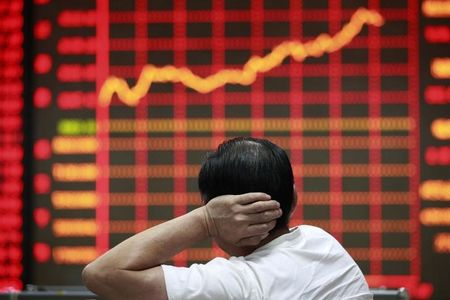
Asia stocks fall, head for weekly losses amid little relief from Iran war
#Asia stocks #weekly losses #Iran war #geopolitical tension #investor sentiment #market decline #stock markets
📌 Key Takeaways
- Asian stock markets declined amid ongoing geopolitical tensions
- Investors saw minimal relief from the Iran conflict situation
- Markets are on track for weekly losses due to uncertainty
- Geopolitical risk continues to weigh on regional investor sentiment
🏷️ Themes
Geopolitics, Markets
📚 Related People & Topics
List of wars involving Iran
This is a list of wars involving the Islamic Republic of Iran and its predecessor states. It is an unfinished historical overview.
Entity Intersection Graph
Connections for List of wars involving Iran:
Mentioned Entities
Deep Analysis
Why It Matters
This news matters because it signals continued market volatility and risk aversion in Asian financial markets, affecting investors, pension funds, and companies with regional exposure. The ongoing Iran conflict creates uncertainty that discourages investment and can slow economic growth across Asia. Retail investors see portfolio values decline, while businesses face higher capital costs and reduced consumer confidence in affected economies.
Context & Background
- Asian stock markets have been sensitive to Middle East tensions due to energy supply concerns and global trade disruptions
- Previous Iran-related conflicts have typically caused brief market selloffs followed by recoveries once immediate escalation fears subside
- Many Asian economies are net energy importers, making them vulnerable to oil price spikes from regional conflicts
- Global markets have been jittery throughout 2024 amid multiple geopolitical flashpoints and delayed interest rate cuts
What Happens Next
Markets will monitor weekend developments in the Middle East and Monday's trading sessions for direction. If conflict doesn't escalate further, some bargain hunting could emerge next week. Central bank comments on the economic impact will be closely watched, particularly from Japan and China. Oil prices will remain a key indicator of market sentiment toward the situation.
Frequently Asked Questions
Asian stocks fall because investors fear the conflict could disrupt oil supplies and shipping routes, increasing costs for energy-dependent Asian economies. This uncertainty prompts investors to move money to safer assets like gold or government bonds, causing stock selloffs.
Market declines from geopolitical events often last days to weeks unless the conflict escalates significantly. Historical patterns show initial sharp selloffs followed by partial recoveries once immediate escalation risks fade and investors assess actual economic impacts.
Markets in Japan, South Korea and India are typically most affected due to their heavy reliance on Middle Eastern oil imports. Southeast Asian markets like Singapore and Malaysia also feel impacts through trade route disruptions and reduced global risk appetite.
Investors should avoid panic selling and instead review their portfolio's risk exposure and diversification. Many financial advisors recommend maintaining long-term investment strategies rather than making emotional decisions based on short-term geopolitical events.
Regular people may see higher fuel and transportation costs if oil prices rise significantly. Those with retirement or investment accounts may see temporary portfolio declines, while businesses could face reduced consumer spending and higher operational costs.