
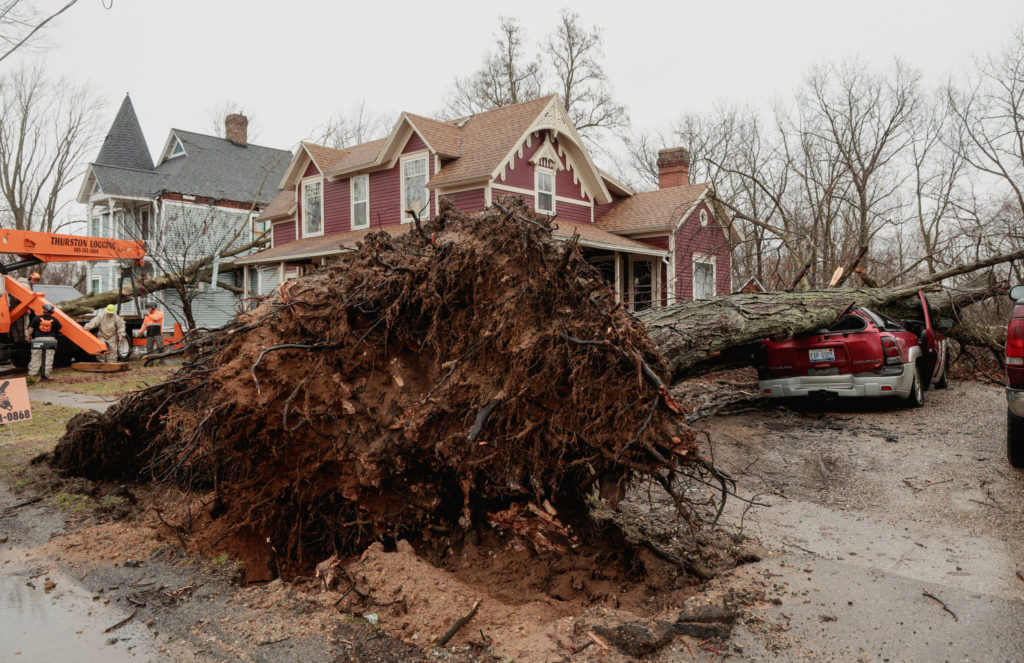
Authorities search debris after suspected tornadoes kill 6 in Michigan and Oklahoma
#tornadoes #Michigan #Oklahoma #deaths #debris search #severe weather #authorities
📌 Key Takeaways
- Suspected tornadoes caused fatalities in Michigan and Oklahoma, resulting in 6 deaths.
- Authorities are conducting search operations through debris in affected areas.
- The severe weather events highlight ongoing risks of tornadoes in central U.S. regions.
- Emergency response efforts are underway to assess damage and aid recovery.
📖 Full Retelling
🏷️ Themes
Natural Disasters, Emergency Response
📚 Related People & Topics

Oklahoma
U.S. state
Oklahoma ( OH-klə-HOH-mə; Choctaw: Oklahumma, pronounced [oklahómma]) is a landlocked state in the South Central and Southwestern region of the United States. It borders Texas to the south and west, Kansas to the north, Missouri to the northeast, Arkansas to the southeast, New Mexico to the west, a...

Michigan
U.S. state
Michigan ( MISH-ig-ən) is a peninsular state in the Great Lakes region of the Upper Midwestern United States. It shares water and land boundaries with Minnesota to the northwest, Wisconsin to the west, Indiana and Illinois to the southwest, Ohio to the southeast, and the Canadian province of Ontari...
Entity Intersection Graph
Connections for Oklahoma:
View full profileMentioned Entities
Deep Analysis
Why It Matters
This news is important because it highlights the deadly impact of severe weather events, which directly affect residents' safety, property, and local infrastructure in Michigan and Oklahoma. It underscores the ongoing threat of tornadoes in the U.S., particularly in regions prone to such disasters, impacting emergency responders, families of victims, and communities rebuilding efforts. The fatalities and damage emphasize the need for effective warning systems, disaster preparedness, and climate resilience strategies to mitigate future risks.
Context & Background
- Tornadoes are common in the central and southern U.S., with Oklahoma part of 'Tornado Alley' known for frequent, intense storms.
- Michigan, while less prone, experiences tornadoes seasonally, often in spring and summer, with historical outbreaks causing significant damage.
- The National Weather Service issues tornado warnings and watches, but rapid formation can limit preparedness time, leading to casualties and destruction.
- Climate change may be increasing the frequency and intensity of severe weather events, including tornadoes, though research is ongoing.
- Past major tornado disasters, like the 2013 Moore, Oklahoma EF5 tornado that killed 24, highlight the persistent vulnerability of communities.
What Happens Next
Authorities will continue search and rescue operations, assess damage, and confirm tornado ratings via the National Weather Service. Recovery efforts will begin, including debris cleanup, temporary housing for displaced residents, and insurance claims processing. Investigations into warning system effectiveness and building codes may follow, with potential policy discussions on disaster funding and climate adaptation in the coming weeks.
Frequently Asked Questions
Tornadoes often form from severe thunderstorms when warm, moist air collides with cool, dry air, creating rotating updrafts. In Oklahoma, geographic factors like the Great Plains enhance this process, while Michigan's tornadoes are typically associated with frontal systems during warmer months.
Residents should seek shelter immediately in a basement or interior room without windows, and monitor weather alerts via radio or apps. Having an emergency kit and plan in place is crucial, as tornadoes can strike with little warning, especially in high-risk areas.
A tornado watch means conditions are favorable for tornadoes to develop, advising preparedness, while a warning means a tornado has been sighted or indicated by radar, requiring immediate action to seek shelter. Heeding warnings can save lives by reducing exposure to danger.
Tornadoes are rated using the Enhanced Fujita (EF) scale from EF0 (weak) to EF5 (violent), based on damage surveys after the event. This helps assess intensity and inform future safety measures, with ratings determined by meteorologists and engineers.
Affected communities can access federal aid through FEMA, state emergency management agencies, and local nonprofits for recovery. Support includes financial assistance, temporary housing, and counseling services to help rebuild and cope with trauma.