
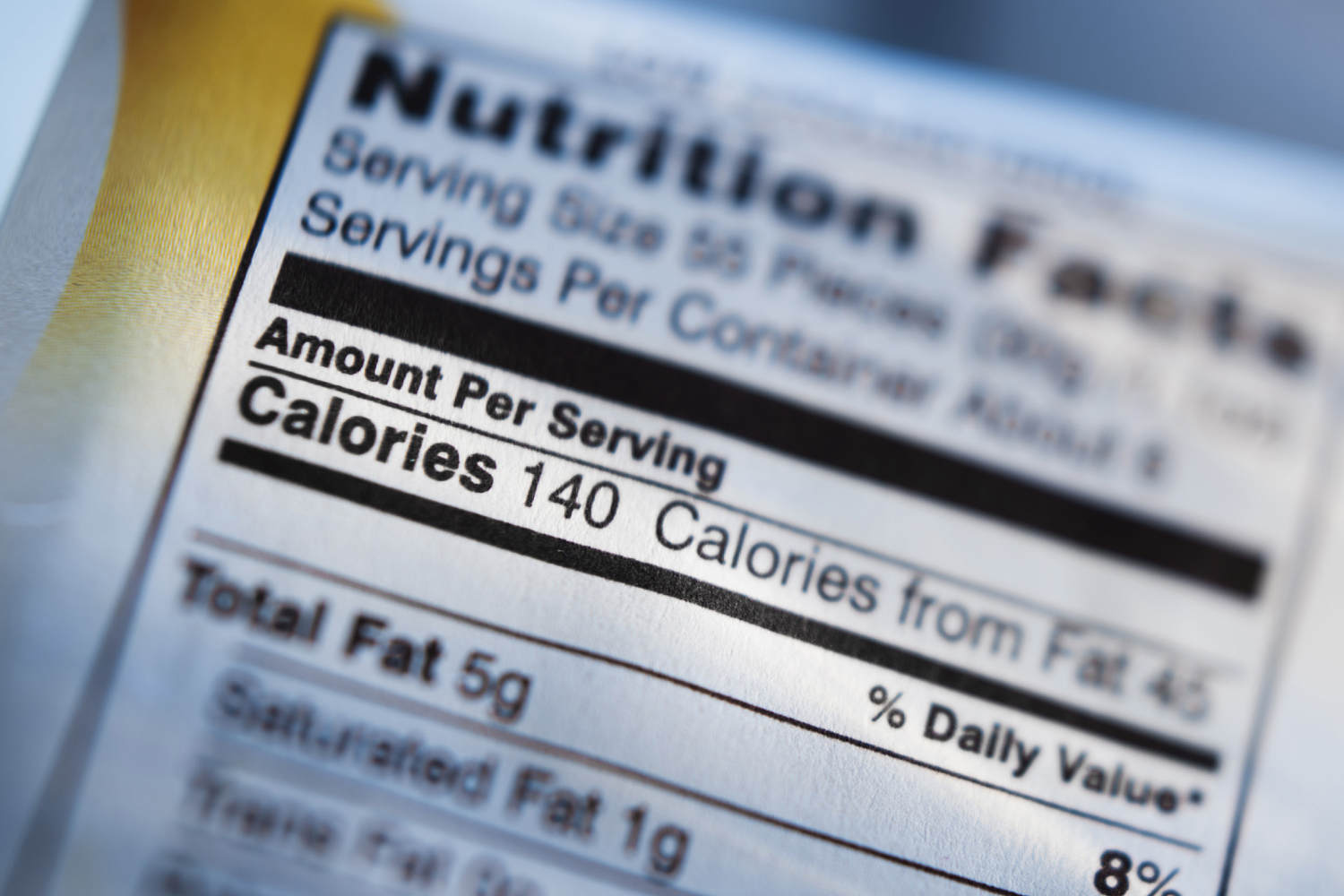
Can you trust calorie counts on food labels? What the nutrition scientists say
#calorie counts #food labels #nutrition scientists #metabolism #regulatory standards #dietary planning #accuracy
📌 Key Takeaways
- Calorie counts on food labels may not always be accurate due to measurement methods and food processing.
- Nutrition scientists highlight variability in how individuals metabolize calories, affecting label reliability.
- Regulatory standards allow for a margin of error, potentially leading to discrepancies in reported values.
- Experts advise using labels as a general guide rather than an exact measure for dietary planning.
📖 Full Retelling
🏷️ Themes
Nutrition Science, Food Labeling
Entity Intersection Graph
No entity connections available yet for this article.
Deep Analysis
Why It Matters
This news matters because accurate calorie labeling affects public health outcomes, consumer trust, and regulatory compliance. It impacts individuals managing weight, diabetes, or other health conditions who rely on labels for dietary decisions. Food manufacturers face potential legal and reputational risks if labels are inaccurate, while public health agencies depend on reliable data for nutrition policies and guidelines.
Context & Background
- The U.S. Food and Drug Administration (FDA) allows a 20% margin of error for calorie counts on nutrition labels, meaning a 500-calorie meal could legally contain 400-600 calories.
- Nutrition labeling regulations were standardized with the Nutrition Labeling and Education Act of 1990, which mandated most packaged foods display standardized nutrition information.
- Studies have shown restaurant foods and packaged items frequently exceed labeled calories by significant margins, with some fast food items containing up to 200% more calories than advertised.
- The Atwater system, developed in the late 19th century, remains the standard method for calculating calorie content by measuring protein, fat, and carbohydrate composition.
- Food processing and preparation methods can alter actual calorie availability, as seen with nuts where mechanical processing increases calorie absorption compared to whole nuts.
What Happens Next
Increased regulatory scrutiny and potential updates to labeling accuracy standards are likely within 1-2 years. More food companies may adopt third-party verification programs for nutrition labels. Consumer class-action lawsuits against companies with significant discrepancies could increase. Advances in testing technology may lead to more precise calorie measurement methods being adopted industry-wide.
Frequently Asked Questions
The FDA permits a 20% margin of error for calorie counts on nutrition labels. This means a food labeled as 200 calories could legally contain 160-240 calories. However, foods labeled as 'calorie-free' must contain less than 5 calories per serving.
Restaurant foods have more variability due to portion sizes, ingredient substitutions, and preparation methods. Unlike packaged foods manufactured in controlled facilities, restaurant dishes depend on individual cooks and daily ingredient variations, making consistent calorie counts challenging.
Yes, cooking methods can significantly alter calorie availability. Processing foods through grinding, cooking, or blending makes calories more accessible to the body. For example, whole almonds provide about 20% fewer calories than almond butter from the same quantity of nuts.
Scientists typically use bomb calorimeters that burn food samples to measure heat release, or calculate calories using the Atwater system that assigns 4 calories per gram of protein/carbs and 9 calories per gram of fat. These methods have limitations for complex, processed foods.
Consumers can report suspected labeling violations to the FDA through their consumer complaint system. For significant concerns, documenting the product details and discrepancies can help regulatory investigations. Using measuring tools rather than relying solely on package serving sizes can provide more accuracy.