
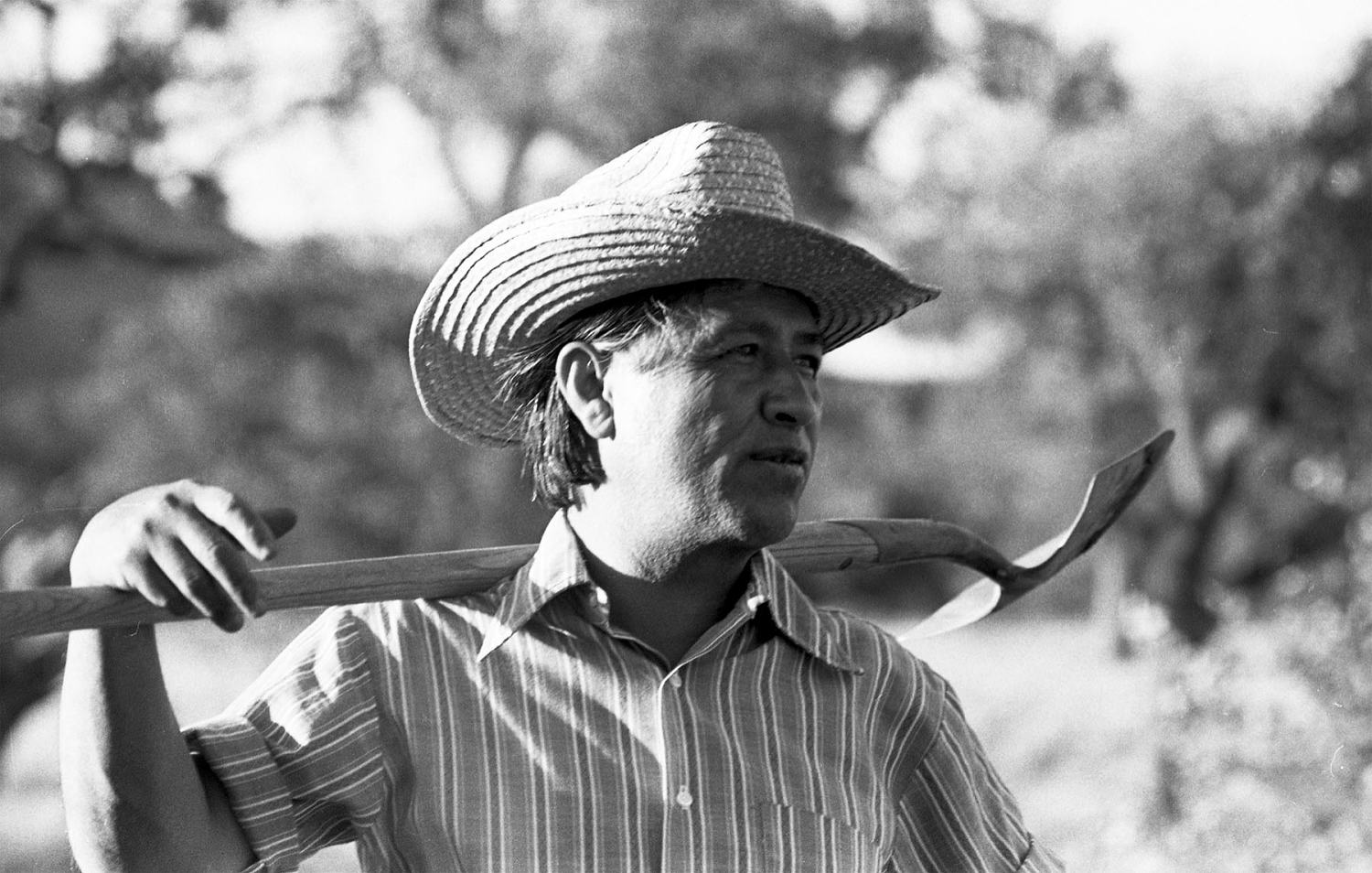
Cesar Chavez abuse allegations spur a movement to disavow the man — without erasing Latino history
#Cesar Chavez #abuse allegations #Latino history #civil rights #legacy #historical figures #social movement
📌 Key Takeaways
- Allegations of abuse against Cesar Chavez have prompted a movement to reassess his legacy.
- The movement aims to disavow Chavez's personal conduct while preserving his historical significance.
- There is a focus on separating the man from the broader Latino civil rights movement he symbolized.
- This reflects a broader societal trend of re-evaluating historical figures in light of new information.
📖 Full Retelling
🏷️ Themes
Historical Reassessment, Cultural Legacy
📚 Related People & Topics

Cesar Chavez
American civil rights activist (1927–1993)
Cesario Estrada Chavez (; Spanish: [ˈtʃaβes]; March 31, 1927 – April 23, 1993) was an American labor leader and civil rights activist. Along with Dolores Huerta and lesser known Gilbert Padilla, he co-founded the National Farm Workers Association (NFWA), which later merged with the Agricultural Work...
Entity Intersection Graph
Connections for Cesar Chavez:
Mentioned Entities
Deep Analysis
Why It Matters
This news matters because it forces a critical re-evaluation of a revered civil rights icon whose legacy has shaped Latino identity and labor movements for decades. It affects Latino communities who have celebrated Chavez as a symbol of empowerment, labor organizers who built upon his strategies, and educational institutions that teach his legacy. The tension between acknowledging his alleged abuses while preserving his historical contributions creates complex questions about how societies memorialize imperfect leaders. This reckoning could influence how other historical figures with problematic personal behavior are remembered in public consciousness.
Context & Background
- Cesar Chavez (1927-1993) co-founded the United Farm Workers union and led the Delano grape strike, becoming the most prominent Latino civil rights leader of the 20th century
- Chavez has been honored with a federal holiday in several states, numerous schools and streets bear his name, and he received the Presidential Medal of Freedom posthumously
- Previous historical accounts have focused almost exclusively on his activism while minimizing or omitting criticisms of his leadership style and personal conduct
- The current movement parallels similar reevaluations of historical figures like Gandhi, Mother Teresa, and Martin Luther King Jr. whose personal flaws have prompted public debate
What Happens Next
Expect continued debate within Latino communities about whether to remove Chavez's name from institutions versus contextualizing his legacy. Educational materials will likely be revised to include both his achievements and alleged abuses. The movement may expand to reevaluate other Latino historical figures, potentially leading to more nuanced public memorials that acknowledge complexity rather than pure hero worship. Formal responses from the United Farm Workers and Chavez family members are anticipated within the coming months.
Frequently Asked Questions
While the article doesn't specify details, historical accounts have documented allegations of authoritarian leadership, purges of union dissidents, and questionable treatment of colleagues. These criticisms have circulated in academic circles but are now gaining mainstream attention as part of broader cultural reevaluations of historical figures.
Chavez represents one of the few nationally recognized Latino historical figures taught in American schools. Critics worry that completely disavowing him could leave a vacuum in Latino historical representation, particularly since systemic barriers have limited recognition of other Latino leaders. The challenge is balancing honest reckoning with preserving cultural heritage.
Responses vary from calls to remove Chavez's name from schools and public spaces to proposals for adding contextual plaques that acknowledge both his achievements and flaws. Some educational programs are developing more nuanced curricula that present him as a complex figure rather than an unblemished hero.
The UFW faces pressure to address its founder's legacy while continuing its modern labor advocacy. The union may need to publicly acknowledge past shortcomings while emphasizing its current mission, potentially creating distance between Chavez's personal conduct and the organization's ongoing work for farmworker rights.