
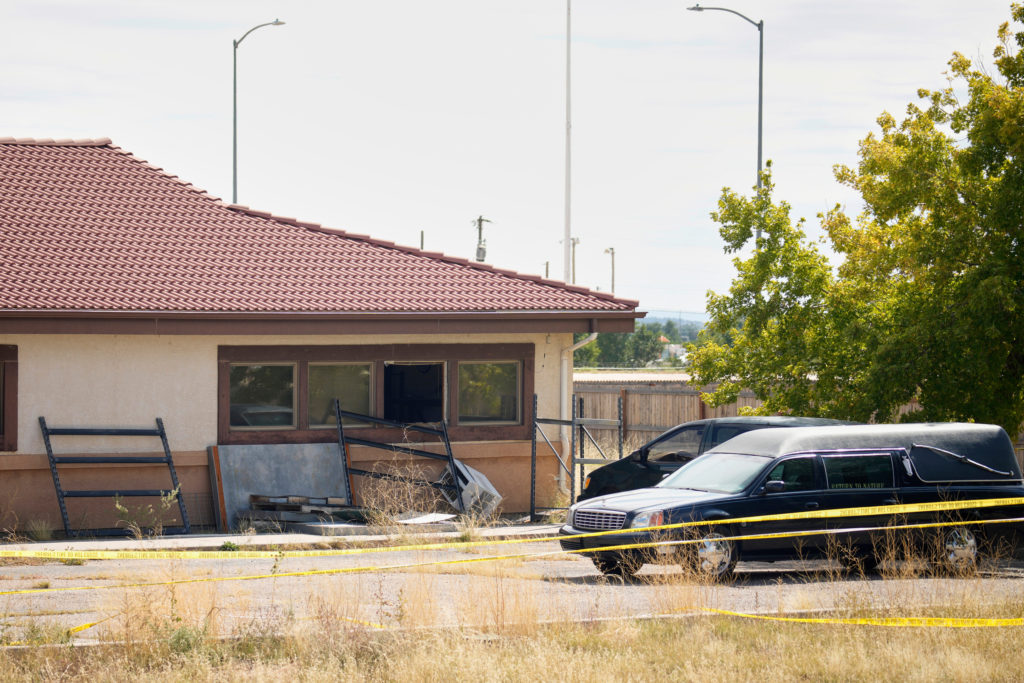
Colorado ex-funeral home owner sentenced to 18 years in prison after pleading guilty to fraud
#Colorado #funeral home #fraud #sentencing #prison #guilty plea #former owner
📌 Key Takeaways
- Former Colorado funeral home owner sentenced to 18 years in prison
- Pleaded guilty to fraud charges
- Case involves misconduct in funeral home operations
- Legal consequences highlight accountability in the funeral industry
📖 Full Retelling
🏷️ Themes
Legal, Fraud
Entity Intersection Graph
No entity connections available yet for this article.
Deep Analysis
Why It Matters
This case matters because it involves profound violations of trust during vulnerable moments when families are grieving. Funeral home fraud affects not just individual clients but erodes public confidence in an entire industry that handles sensitive end-of-life services. The 18-year sentence sends a strong message about the seriousness of financial exploitation in regulated industries, particularly those dealing with vulnerable populations. This affects future regulatory oversight of funeral services and may lead to increased consumer protections.
Context & Background
- Funeral home regulations vary significantly by state, with Colorado having faced previous scandals involving improper handling of remains
- The funeral industry has been subject to increased scrutiny following high-profile cases of fraud and mishandling across multiple states
- Consumer protection laws regarding pre-paid funeral arrangements have evolved following historical abuses in the death care industry
- The Federal Trade Commission's Funeral Rule requires specific disclosures about pricing and services, but enforcement varies locally
- Previous cases have involved everything from selling body parts to burying multiple people in single graves without consent
What Happens Next
The defendant will begin serving the 18-year prison sentence, with potential appeals possibly extending the legal process. Colorado regulators will likely conduct broader investigations into funeral home practices across the state. Victims may pursue civil lawsuits for additional compensation beyond any restitution ordered in the criminal case. Legislative proposals for stricter funeral home oversight could emerge in Colorado's next legislative session.
Frequently Asked Questions
While the article doesn't specify details, typical funeral home fraud includes misappropriating pre-paid funeral funds, charging for services not rendered, or selling caskets and burial plots that don't exist. These schemes often target grieving families who are less likely to question expenses during emotional times.
While most funeral homes operate ethically, periodic scandals reveal systemic vulnerabilities. The industry's combination of emotional vulnerability, high costs, and complex regulations creates opportunities for exploitation. State oversight varies widely, with some regions experiencing more frequent violations than others.
The FTC's Funeral Rule requires itemized price lists and prohibits certain misleading practices. Many states have trust fund requirements for pre-paid funerals, and some require licensing and inspections. However, enforcement depends on state resources and regulatory priorities, creating inconsistent protection nationwide.
Victims may receive restitution through criminal courts or pursue civil lawsuits, but recovery depends on the defendant's remaining assets. Some states have recovery funds for pre-paid funeral losses, but these often have limits and may not cover full losses. Insurance and bonding requirements vary by state.
This high-profile sentencing will likely increase regulatory scrutiny across Colorado and possibly neighboring states. Funeral homes may face more frequent inspections, stricter documentation requirements, and increased consumer skepticism. Industry associations often respond with enhanced self-regulation efforts following such cases.