

Could the US really release more of its strategic oil reserves?
#strategic oil reserves #energy prices #Scott Bessent #petroleum reserve #economic policy #supply disruption #market stability #Biden administration
📌 Key Takeaways
- US strategic oil reserves could see additional releases
- Economic advisor Scott Bessent indicated potential action
- Rising energy prices and supply concerns driving consideration
- Strategic reserve currently holds 354 million barrels
📖 Full Retelling
🏷️ Themes
Energy Policy, Economic Strategy, Market Intervention
📚 Related People & Topics

Scott Bessent
American businessman and government official (born 1962)
Scott Kenneth Homer Bessent ( BESS-ənt; born August 21, 1962) is an American businessman and government official serving since 2025 as the 79th United States secretary of the treasury. Bessent was a partner at Soros Fund Management (SFM) and founded Key Square Group, a global macro investment firm. ...
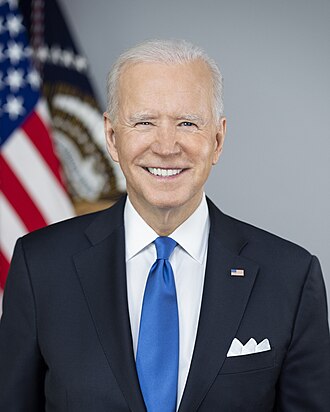
Presidency of Joe Biden
2021–2025 U.S. presidential administration
Joe Biden's tenure as the 46th president of the United States began with his inauguration on January 20, 2021, and ended on January 20, 2025. Biden, member of the Democratic Party, had previously served as the 47th vice president from 2009 to 2017 under President Barack Obama, took office after defe...
Entity Intersection Graph
Connections for Scott Bessent:
Mentioned Entities
Deep Analysis
Why It Matters
This news is significant because energy prices directly impact consumers, businesses, and the broader economy. Any release from the strategic petroleum reserve could affect global oil prices, influence inflation rates, and impact US relationships with oil-producing nations. It also reflects the administration's strategy to address economic concerns while maintaining energy security in a volatile global market.
Context & Background
- The Strategic Petroleum Reserve (SPR) was established in 1975 in response to the 1973 oil crisis when Arab oil exporters imposed an embargo on Western nations
- The SPR is the world's largest emergency supply of crude oil, with storage capacity of about 714 million barrels across four sites in Texas and Louisiana
- In 2022, the Biden administration released record amounts of oil from the SPR to combat high prices following Russia's invasion of Ukraine
- The US has been gradually refilling the SPR after these record sales, though current levels of 354 million barrels remain below historical peaks
- Energy prices have been a significant factor in inflation concerns throughout 2023, affecting household budgets and business operations
- The US maintains complex relationships with OPEC+ nations, often engaging in diplomatic efforts to influence production levels while supporting domestic production
What Happens Next
If the administration decides to release additional oil reserves, we would likely see an official announcement in the coming weeks, potentially timed with upcoming OPEC+ meetings or economic reports. The market would react immediately with oil prices potentially dropping in anticipation of increased supply. Congress might hold hearings to question the administration's strategy, particularly regarding the long-term impact on the SPR and energy security. The administration would likely frame the move as a temporary measure while working on longer-term solutions to energy production challenges.
Frequently Asked Questions
The Strategic Petroleum Reserve is the world's largest emergency supply of crude oil, established by the US government in 1975. It currently holds approximately 354 million barrels of oil stored in underground salt caverns across four states.
The administration is likely considering this move to address rising energy prices and potential supply disruptions, which contribute to inflation concerns. It's a tool to increase supply temporarily and stabilize markets while working on longer-term solutions.
In 2022, the Biden administration released record amounts from the SPR, including 180 million barrels in a coordinated release with other nations following Russia's invasion of Ukraine. The administration has been working to refill the reserves since then.
Critics argue that such releases only provide temporary relief without addressing underlying production and distribution challenges. They also note that depleting strategic reserves could compromise national security in case of a true emergency.
Releasing strategic reserves can create tension with OPEC+ nations, as it increases supply and potentially lowers prices, countering their efforts to control markets through production cuts. It demonstrates the US's ability to act independently in energy markets, affecting diplomatic dynamics.